About Sedge
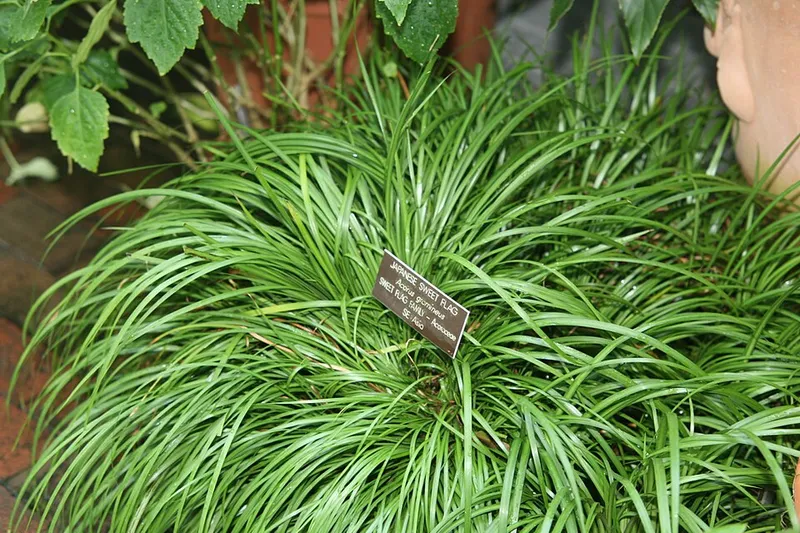
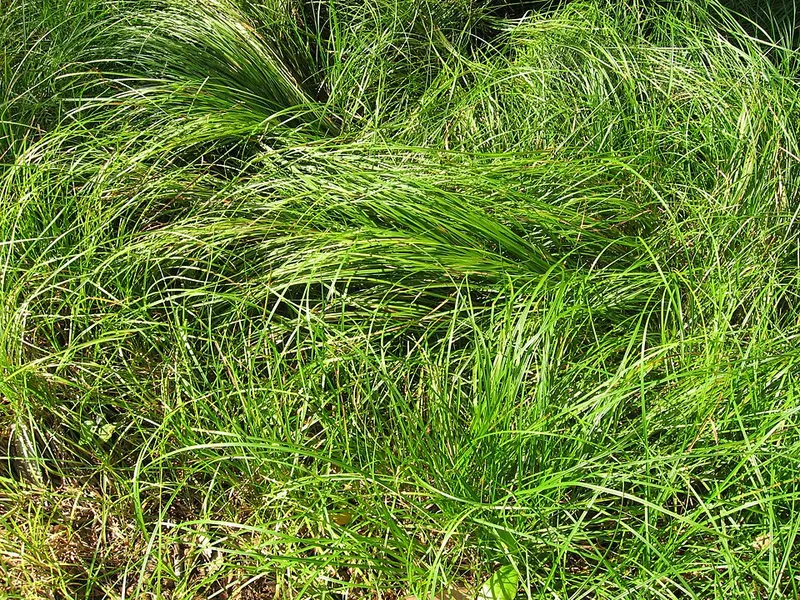
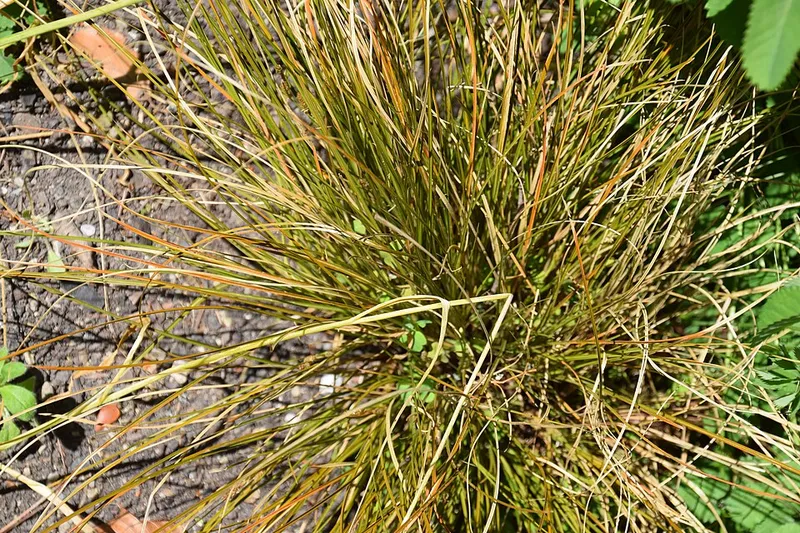
Sedge (Carex spp.)
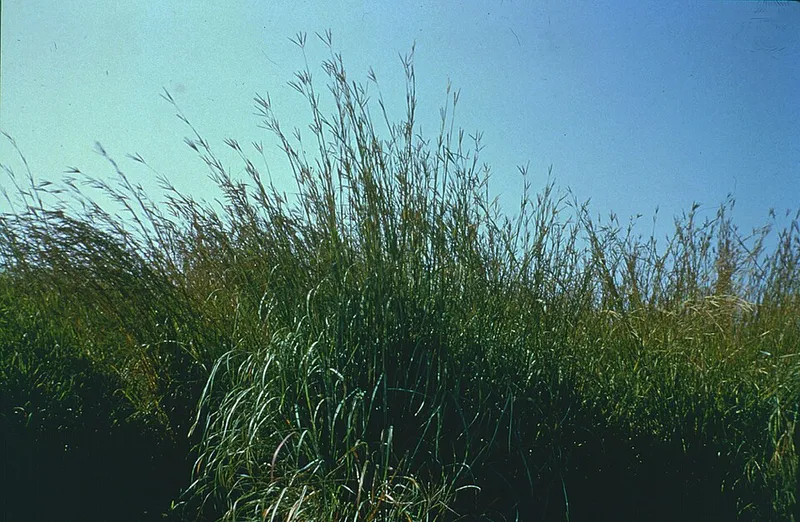
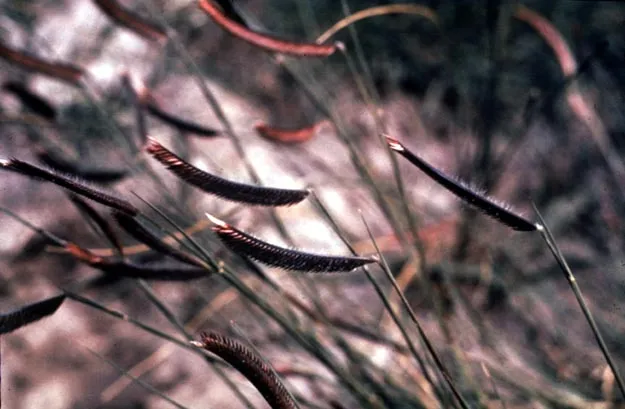
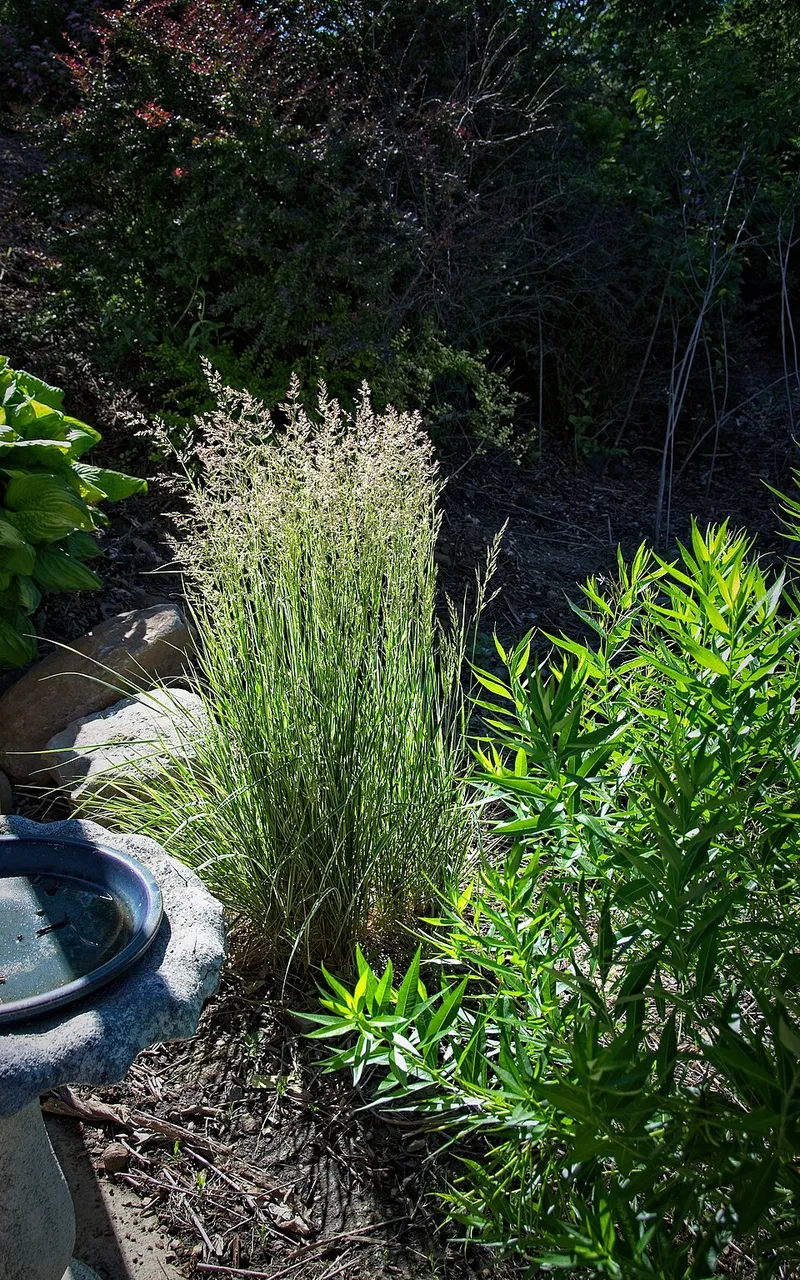
Various Sedges
Part shade to full shade most commonly, moisture ranges from wet to dry depending on species; most tolerate clay soils; pH typically 4.5-7.0.
Height varies by species from 4 inches (C. eburnea) to 4 feet (C. lurida); flowers are inconspicuous; most spread by rhizome or clump expansion; many are semi-evergreen in Zone 6b/7a.
Propagation by division in spring; spacing and establishment rate depend on species.
Native region: Many Carex species are native to Tennessee, found statewide across a wide range of habitats from bottomland swamps to dry upland oak woodlands.
Carex is the largest genus of flowering plants in Tennessee and includes species for nearly every difficult landscape niche: wet clay, dry shade, rocky seeps, and moist woodland. The genus is not a single horticultural unit, selecting the right species for the specific site condition is essential. Common Middle Tennessee species include C. pensylvanica (dry shade, thin clay), C. lupulina (seasonally flooded low spots), C. cherokeensis (moist woodland edges), and C. eburnea (deep dry shade, limestone outcrops). Sedges are often the only viable ground-cover solution under mature trees where turfgrass fails due to shade and root competition. The mnemonic 'sedges have edges' (triangular stems) distinguishes them from true grasses (round stems) and rushes.
Quick Facts
- Common Name
- Sedge
- Scientific Name
- Carex spp.
- Plant Type
- Ornamental Grass
- Region
- Middle Tennessee