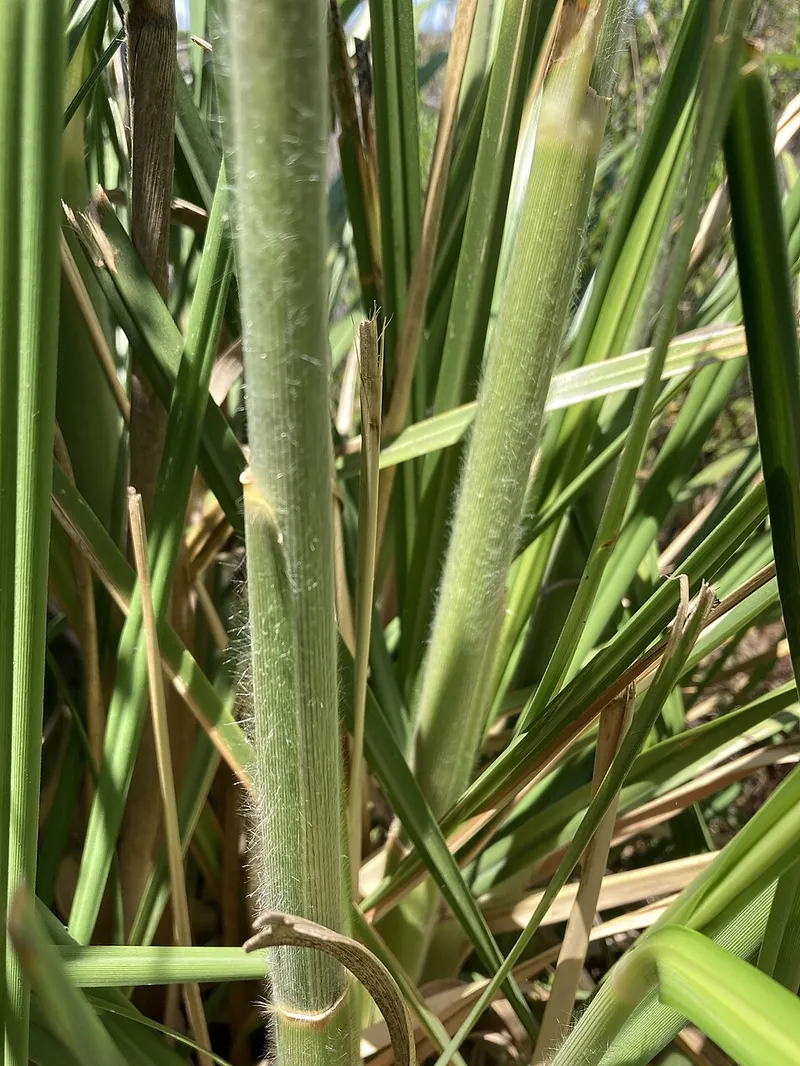
About Pampas Grass
Pampas Grass (Cortaderia selloana)
Full sun, dry to medium moisture, well-drained soils, tolerates drought once established, pH 5.5-7.5.
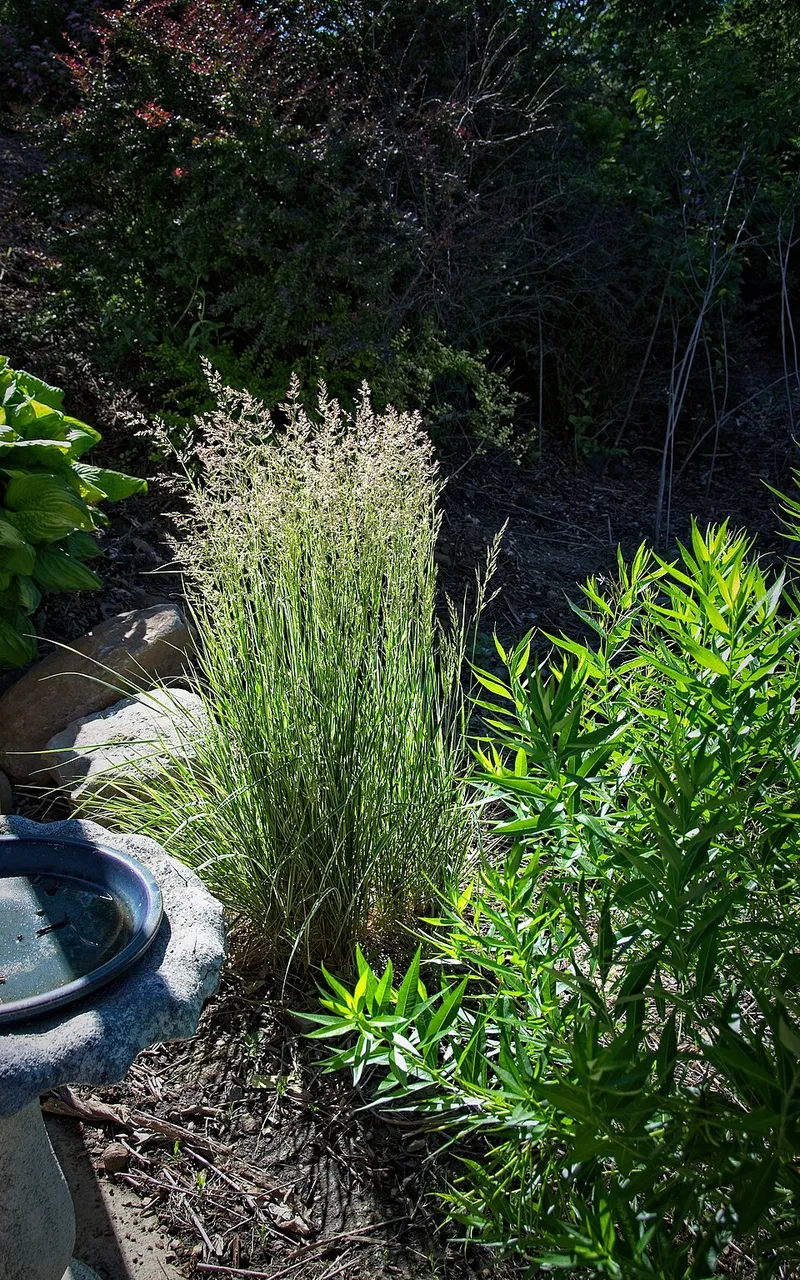
6-10 feet tall in flower (foliage clump 4-6 feet), 4-6 feet wide; blooms August-October with large, showy white-to-pink plumes held well above the foliage; warm-season clump-former; spreads by massive clump expansion and self-seeding in warm climates; leaf margins are razor-sharp.
Propagation by division in spring, though large clumps are difficult to divide without heavy equipment.
Native region: Not native to Tennessee; introduced from South America (Argentina, Brazil). Classified as invasive in California, Oregon, Hawaii, and parts of the southeastern United States. In Tennessee, it is not currently on the TDA noxious weed list, but its naturalization potential in disturbed sites and roadsides warrants caution.
At full size, Cortaderia selloana is one of the largest ornamental grasses available, plumes reaching 10 feet are a dramatic autumn display, but the scale demands appropriate siting away from paths and structures. The serrated leaf margins cause lacerations; wear heavy leather gloves when handling. In Zone 6b/7a winters, foliage may be damaged but established root crowns typically survive; extremely cold winters (below 0°F) can kill plants outright. Annual cut-back requires a chainsaw or brush cutter on mature clumps. Native large-grass alternatives · Andropogon gerardii, Tripsacum dactyloides · provide comparable scale without the blade hazard or invasive seed concern.
Quick Facts
- Common Name
- Pampas Grass
- Scientific Name
- Cortaderia selloana
- Plant Type
- Ornamental Grass
- Region
- Middle Tennessee