About Eastern Gamagrass
Eastern Gamagrass (Tripsacum dactyloides)
Fakahatchee Grass, Eastern Mock Grama
Full sun to part shade, moist to wet, tolerates periodic flooding and heavy clay, pH 5.5-7.5.
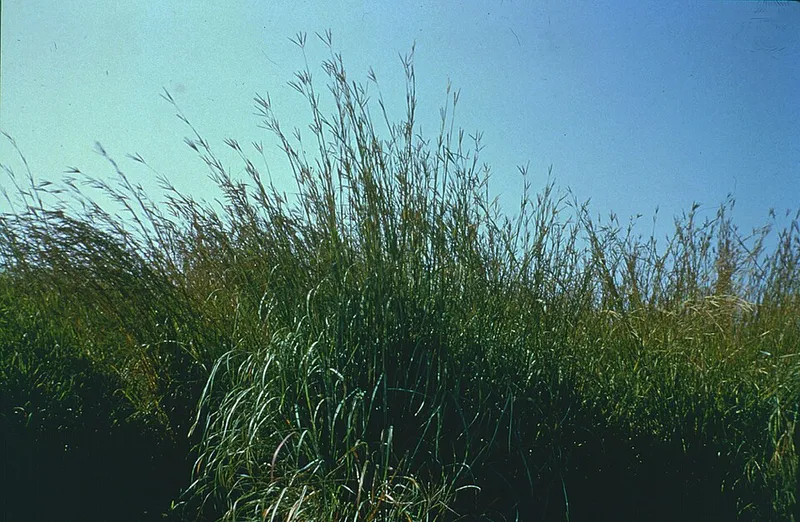
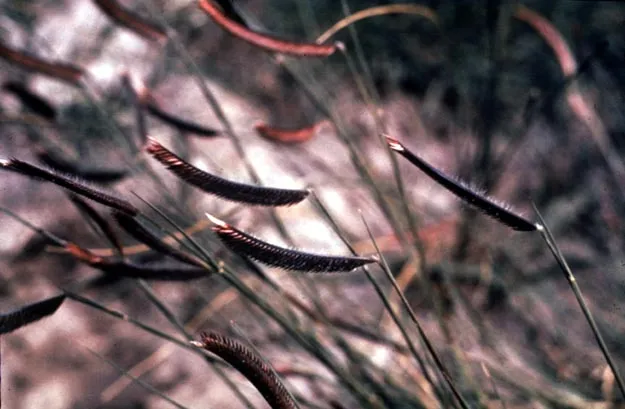
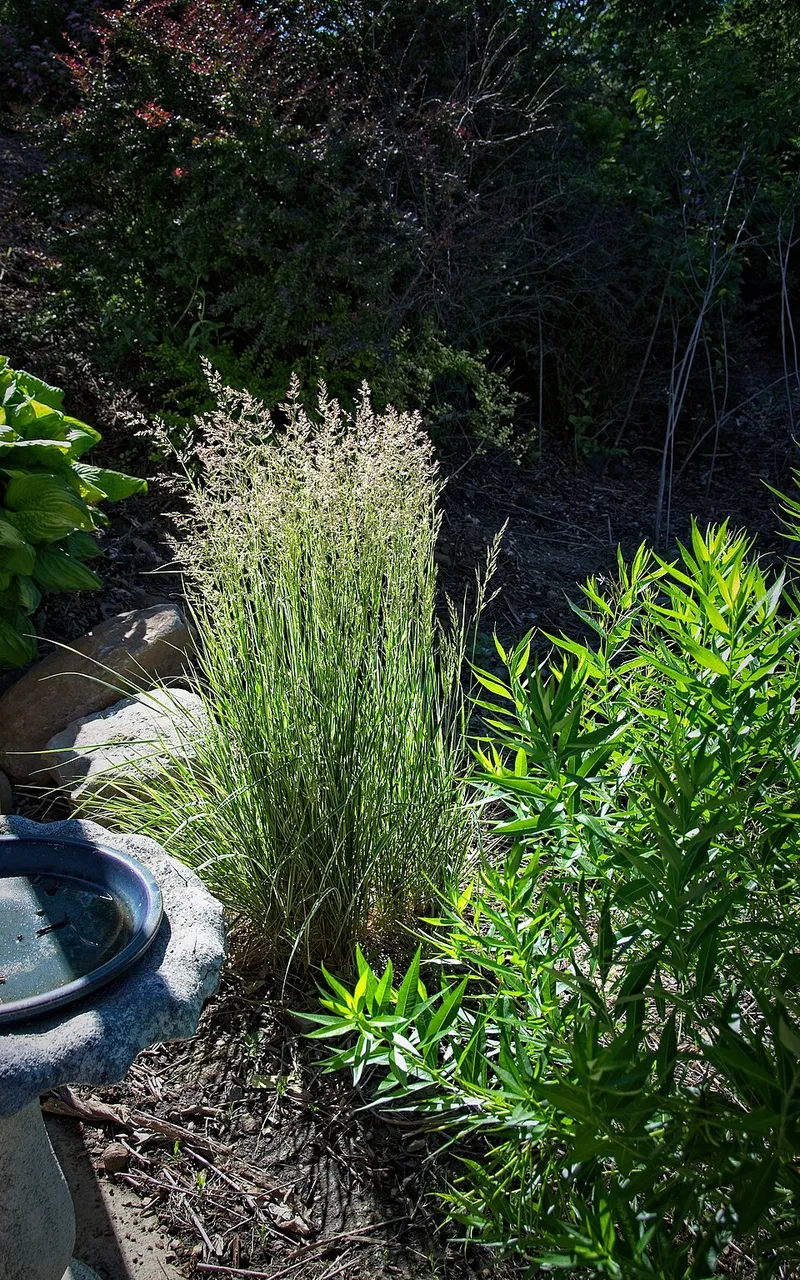
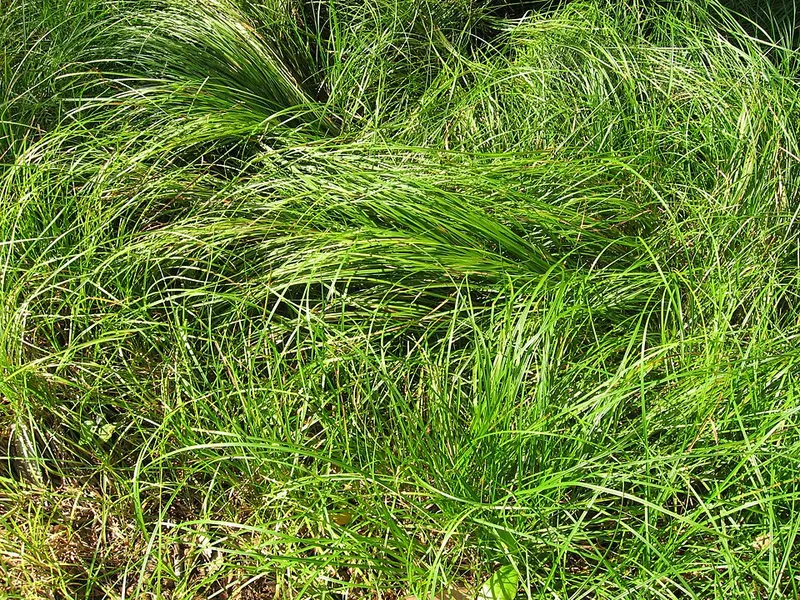
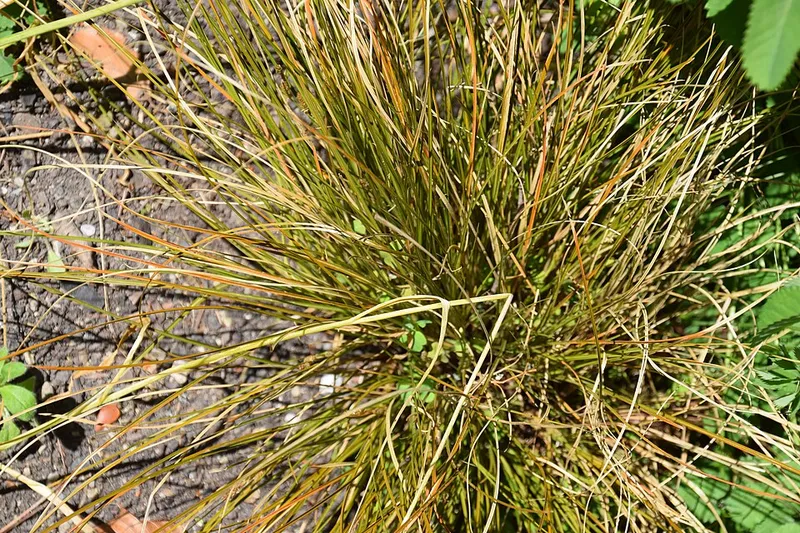
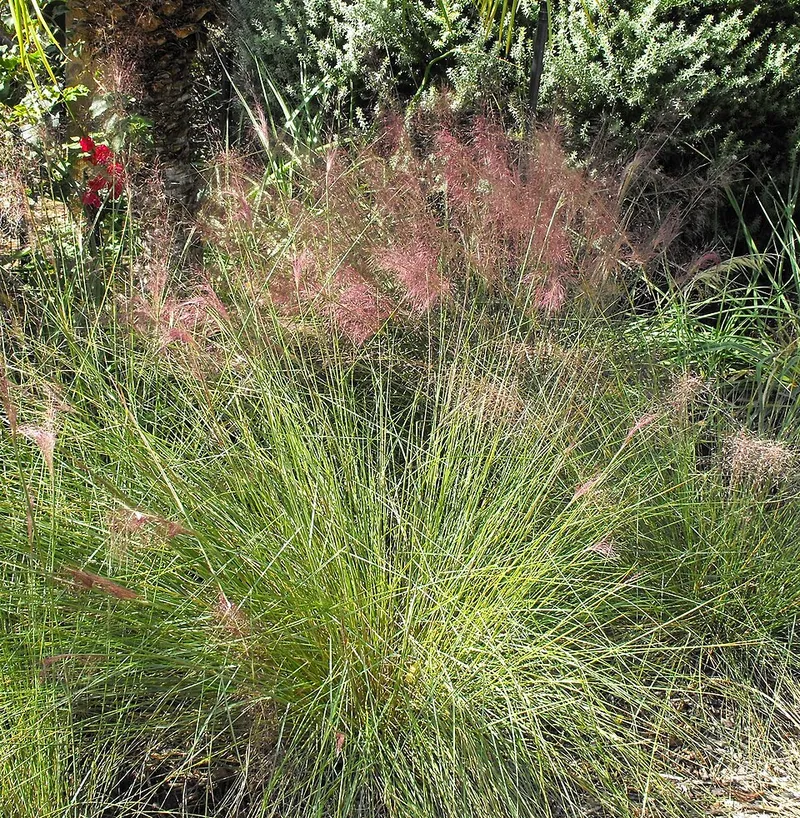
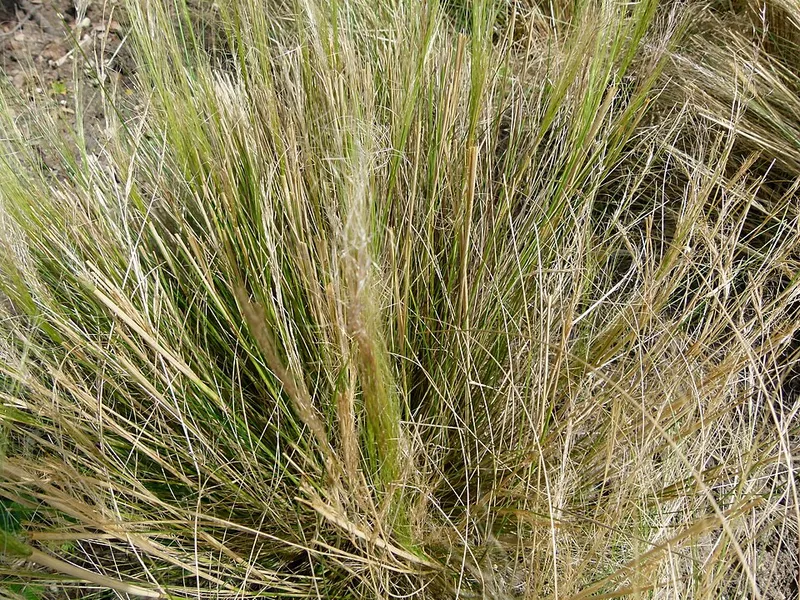
4-8 feet tall, 3-5 feet wide; warm-season clump-former; inconspicuous flowers appear May-August on stiff erect stems; spreads by thick rhizomes to form large, long-lived clumps; foliage coarse and ribbon-like.
Propagation by division in spring or seed; seeds require cold-moist stratification (C(60)) and germinate slowly.
Native region: Statewide in Tennessee, particularly common along streams, bottomlands, and moist prairies throughout Middle Tennessee.
Tripsacum dactyloides is a close relative of corn (Zea mays), the resemblance in stalk and leaf is unmistakable, and shares corn's preference for fertile, moist soil. Along creek margins and drainage swales in the Columbia area, it establishes rapidly in the moist, productive bottomland soils and will colonize seasonally flooded low spots where other ornamental grasses fail. The massive clumps and coarse leaf texture make it a bold structural element best suited to large-scale naturalistic plantings or erosion control on stream banks; it is too large and aggressive for most residential mixed borders. High wildlife value: seeds consumed by game birds and songbirds; used as larval host by several grass-feeding skipper species.
Quick Facts
- Common Name
- Eastern Gamagrass
- Scientific Name
- Tripsacum dactyloides
- Plant Type
- Ornamental Grass
- Region
- Middle Tennessee