About Voles
Voles (Microtus spp.)
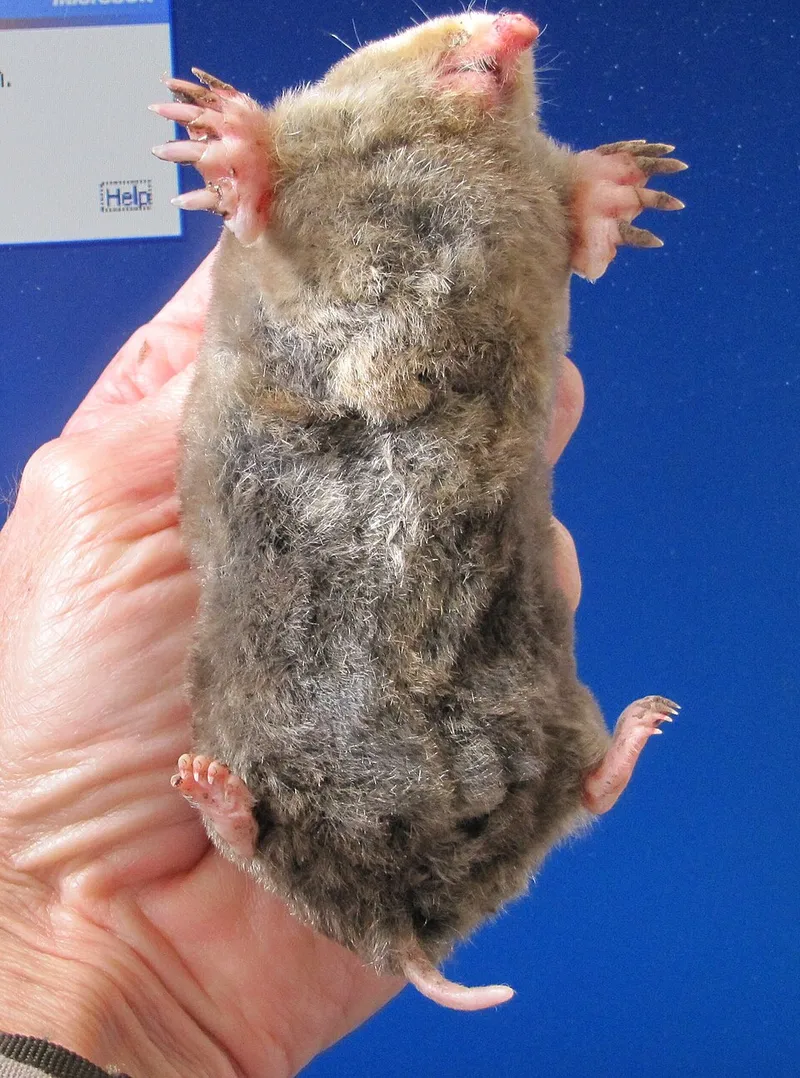
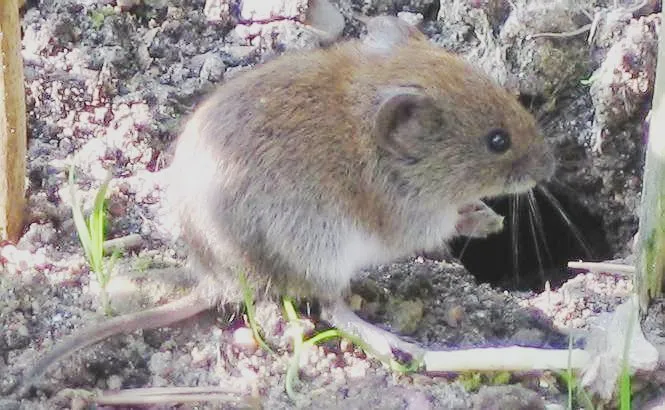
Identification: Small, stocky rodents, 4-7 inches long including tail. Distinguished from mice by their shorter, stouter tails (less than 1 inch), blunt snouts, and small, nearly hidden ears. Fur is grayish-brown above, pale gray below. Meadow vole (Microtus pennsylvanicus) and pine vole (Microtus pinetorum) are the two species most commonly encountered in Middle Tennessee lawns and landscapes. Meadow voles are surface runners; pine voles are primarily subterranean.
Life cycle: Voles are prolific breeders with 3-5 litters per year, each producing 3-6 young. Gestation is approximately 21 days. Populations cycle with food availability and predator pressure, a low-density lawn can become heavily infested within a single season. No true hibernation; activity continues year-round.
Damage signs: Distinctive 1-2 inch wide surface runways through turf, most visible in early spring after snow melt. Pine voles produce underground tunnels that collapse underfoot near shrub and ornamental roots. Crown and root gnawing on woody plants causes girdling at or just below the soil surface, a clean, angled gnaw pattern distinguishes vole feeding from other rodent damage. Bulb consumption is common in fall and winter.
Treatment window: Fall and early winter before populations peak and before ground-level gnawing damages woody plant crowns. Late winter through early spring, when runways become visible, is a secondary intervention point.
UT-recommended approach: Habitat reduction is the foundation of vole management, remove dense ground covers, mulch piles against foundations, and unmowed grass strips that provide shelter. Cylinder guards of hardware cloth (1/4 inch mesh, 18 inches tall, buried 6 inches) protect individual shrubs and trees. Zinc phosphide or anticoagulant bait stations placed directly in active runways reduce populations. Repellents provide limited efficacy as a stand-alone measure.
Quick Facts
- Common Name
- Voles
- Scientific Name
- Microtus spp.
- Category
- Household Pest
- Region
- Middle Tennessee