About Starlings
Starlings (Sturnus vulgaris)
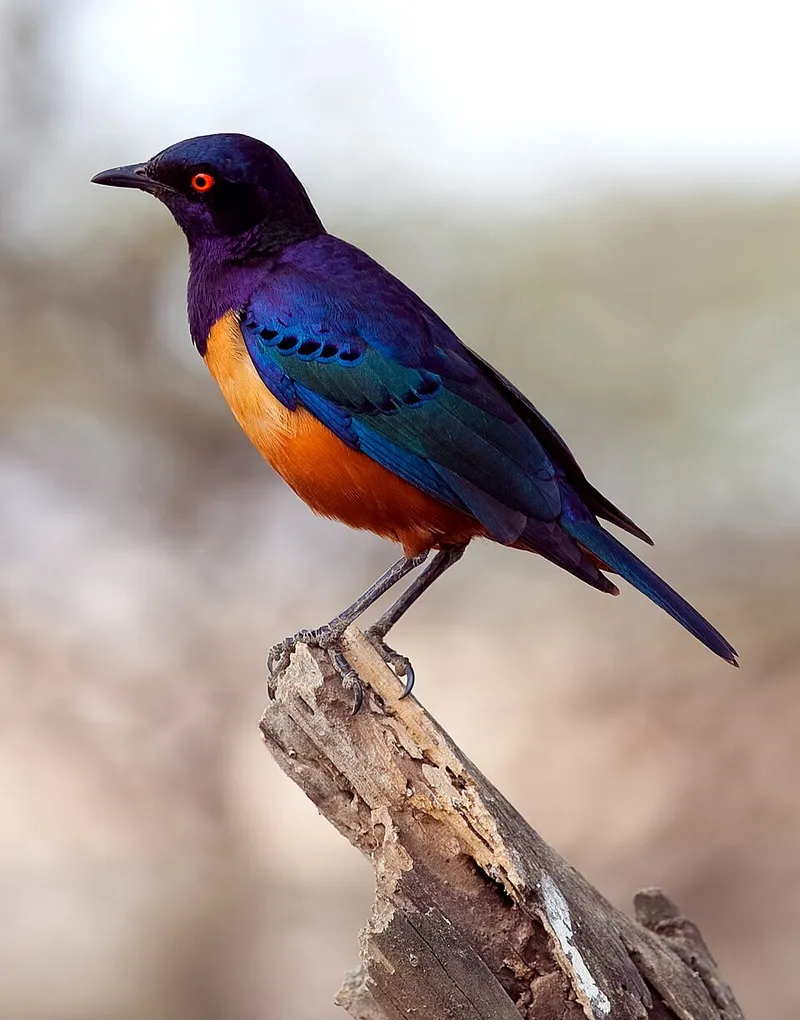
Identification: European starling, medium-sized, stocky bird, 7.5-8.5 inches. Breeding plumage (spring/summer) is iridescent black with green and purple gloss and a bright yellow bill. Fresh fall plumage shows dense white spotting across the entire body that wears off by spring, a heavily spotted bird in November is the same species as an unspotted glossy black bird in May. Short tail and triangular wing profile in flight distinguish it from native blackbirds. Gregarious year-round; flocks of hundreds to thousands are common over Middle Tennessee in winter, forming the large murmurations visible above agricultural and suburban areas.
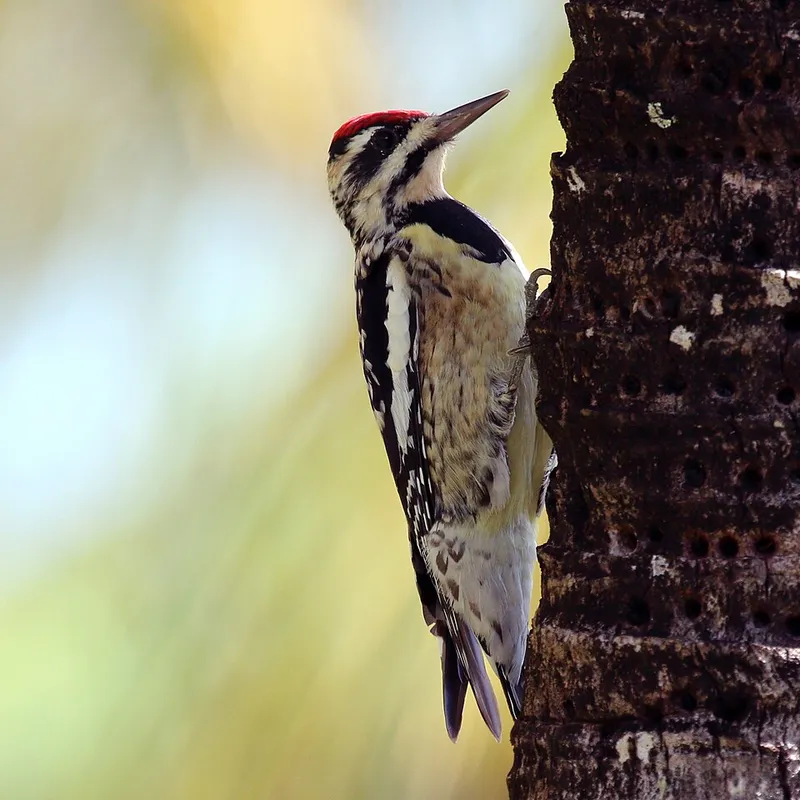
Life cycle: Breeds March through July with 2 broods of 4-6 eggs. Aggressively competes for and usurps tree cavities and nest boxes from native species, woodpeckers, bluebirds, and wood ducks are frequently displaced. Winter roosts in Middle Tennessee can exceed 100,000 birds, often concentrated in urban areas and along the I-65 corridor.
Damage signs: Large roost sites produce significant droppings accumulation, killing turf and shrubs beneath roost trees within one to two seasons. Droppings carry Histoplasma capsulatum fungal spores, a human health concern in deep accumulations. Sod probing by foraging flocks leaves hundreds of small bill-stab holes across turf, particularly in moist soils. Native cavity-nester displacement has long-term ecological consequences in managed landscapes.
Treatment window: Roost establishment in November through December is the intervention point before birds become site-faithful. Nest box competition begins in February as starlings scout cavities.
UT-recommended approach: Roost dispersal using distress call playback and pyrotechnics applied at dusk for 7-10 consecutive evenings disrupts roost fidelity. Nest boxes with entrance holes smaller than 1.5 inches exclude starlings while admitting bluebirds and chickadees. European starlings are not protected under the Migratory Bird Treaty Act as an introduced non-native species, removal by any legal means is permissible without a permit.
Quick Facts
- Common Name
- Starlings
- Scientific Name
- N/A
- Category
- Household Pest
- Region
- Middle Tennessee