About Cottony Maple Scale
Cottony Maple Scale (Pulvinaria innumerabilis)
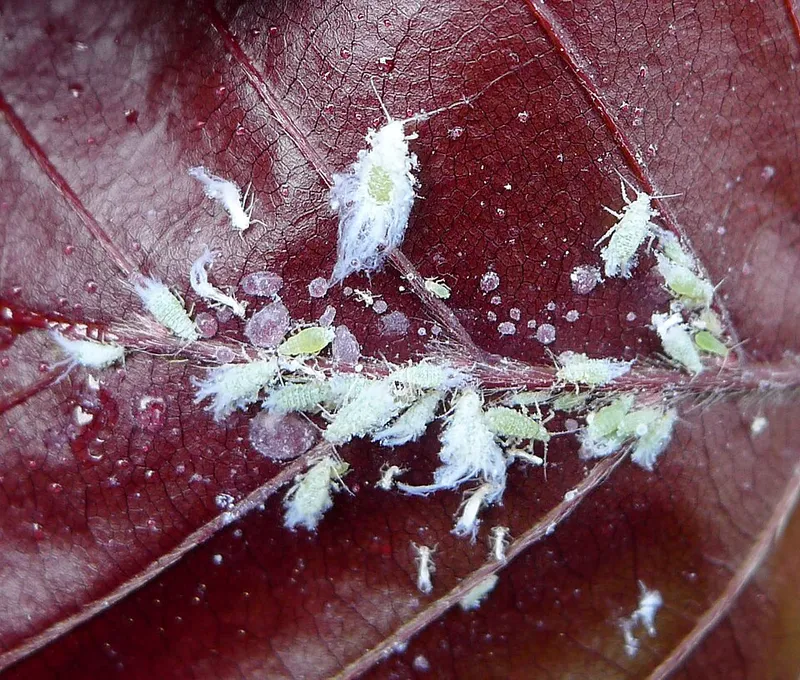
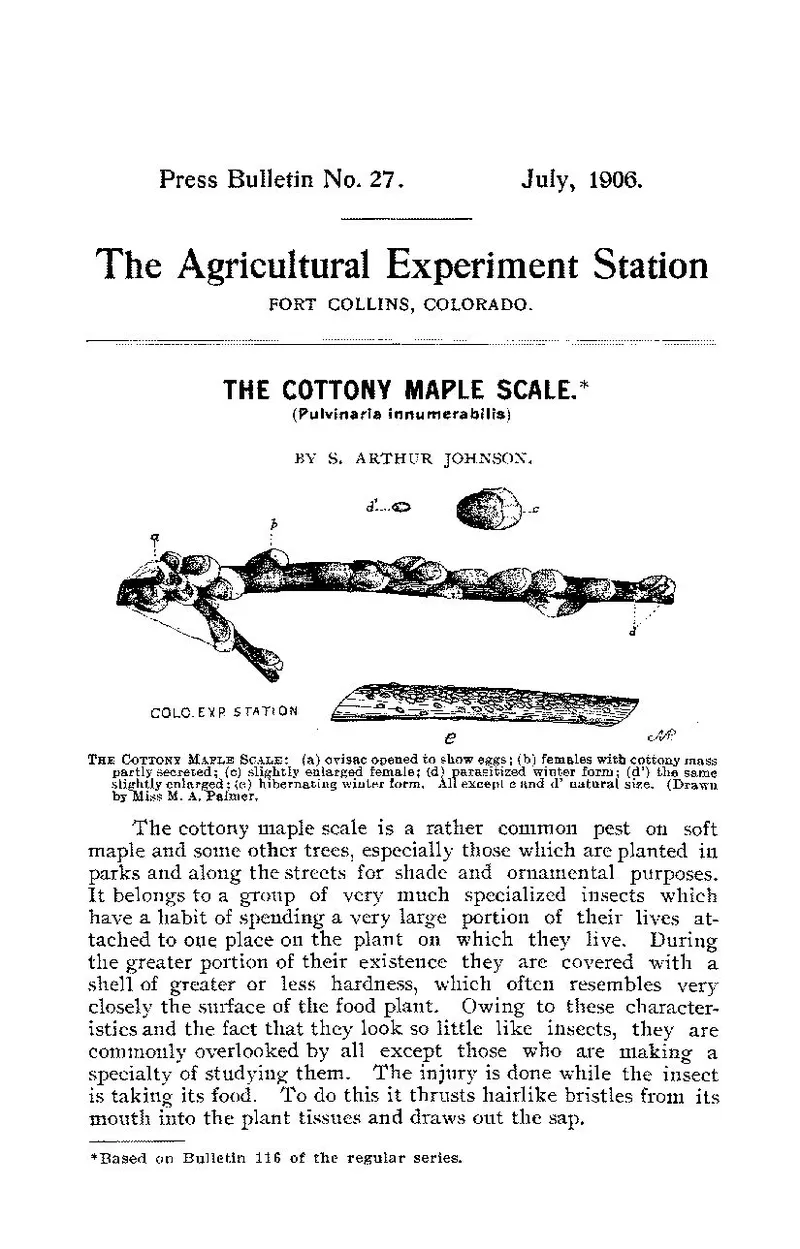
Identification: A soft scale (family Coccidae). Females are 3-6 mm, brown and flat when young, producing a prominent white cottony egg sac up to 12 mm long in late spring that makes infestations visually unmistakable. The white masses on silver and red maple twigs in May-June are a reliable identification feature. P. innumerabilis is one of the most recognized scale insects in the eastern US due to this dramatic egg sac production.
Life cycle: One generation per year in Tennessee. Overwinters as mated females on twigs and bark. Eggs are deposited in cottony masses in May-June; crawlers emerge June-July and migrate to leaf undersides to feed through summer. In late summer crawlers return to bark, mature, mate, and settle for the winter. The crawler-on-leaves summer phase is the optimal spray window.
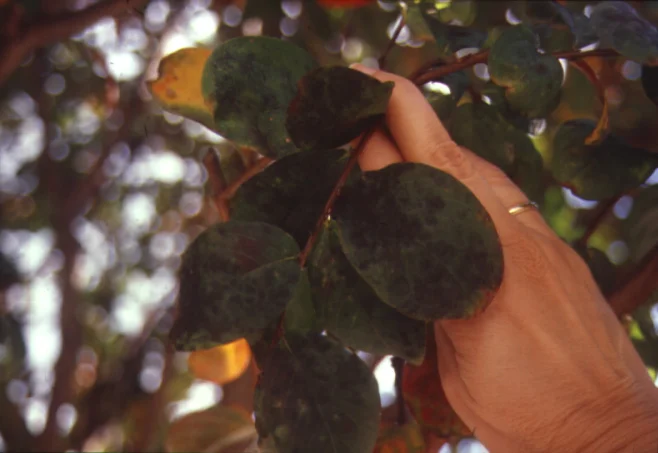
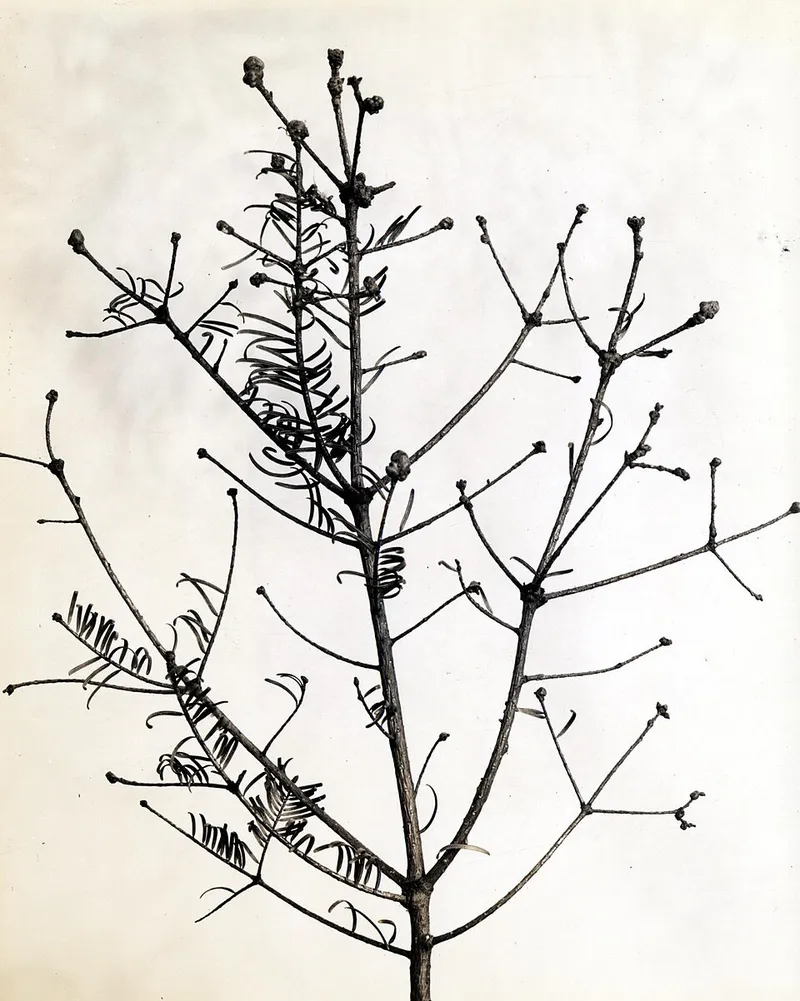
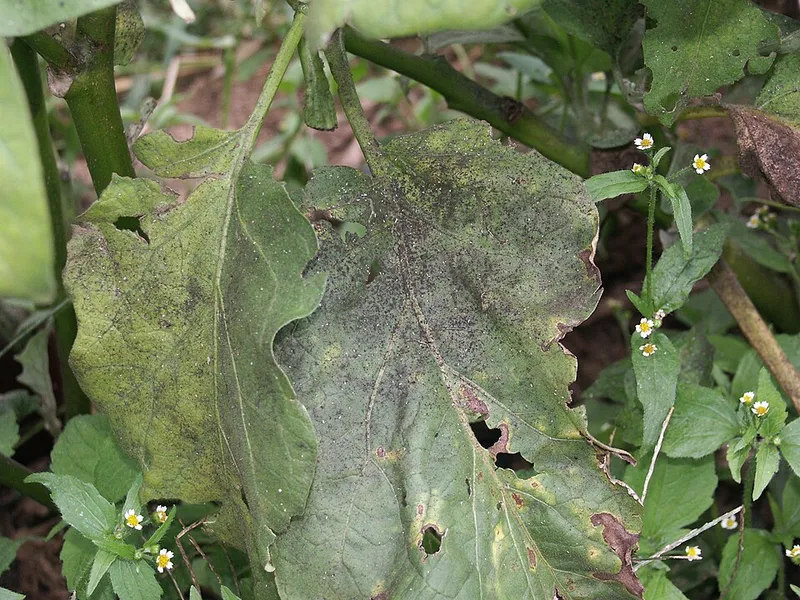
Damage signs: Heavy infestations cause twig dieback, branch decline, and severe honeydew drip that coats sidewalks, cars, and surfaces under infested maples. Sooty mold on honeydew-coated leaves and surfaces is a common secondary complaint. Silver maple (Acer saccharinum) is the primary host; boxelder, linden, dogwood, and euonymus are also susceptible. Populations can explode in years following warm winters.
Treatment window: Late June through July targeting crawlers on leaf undersides, the most accessible and vulnerable life stage. Treating egg sac adults in May is largely ineffective.
UT-recommended approach: Insecticidal soap or horticultural oil applied to leaf undersides in late June-July. Systemic imidacloprid soil drench applied in early spring provides uptake at crawler settling time. Avoid treating the white egg-sac stage, the cottony mass protects eggs from contact materials. A single well-timed crawler spray is usually sufficient to reduce populations significantly.
Quick Facts
- Common Name
- Cottony Maple Scale
- Scientific Name
- Pulvinaria innumerabilis
- Category
- Landscape Pest
- Region
- Middle Tennessee