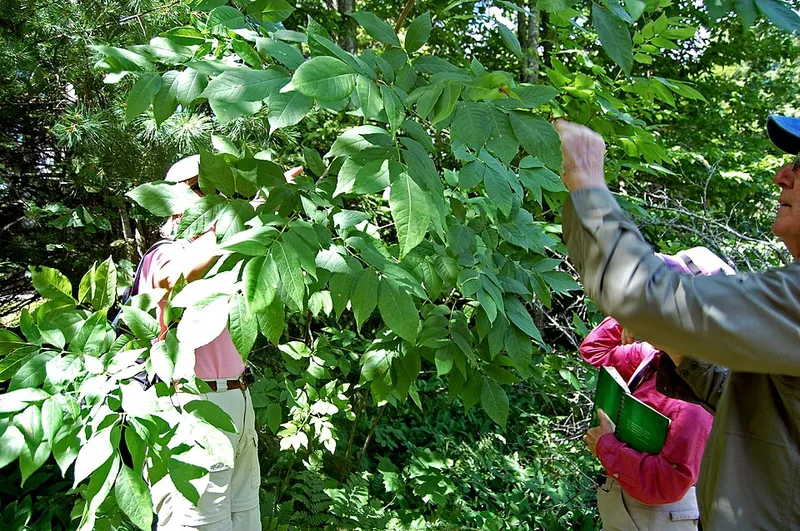
About White Ash
White Ash (Fraxinus americana)
Full sun, medium moisture, prefers fertile deep soils but grows in a variety of soils from loam to clay loam to sandy as long as not too rocky or dry; slightly acid to neutral pH 6.0-7.5.
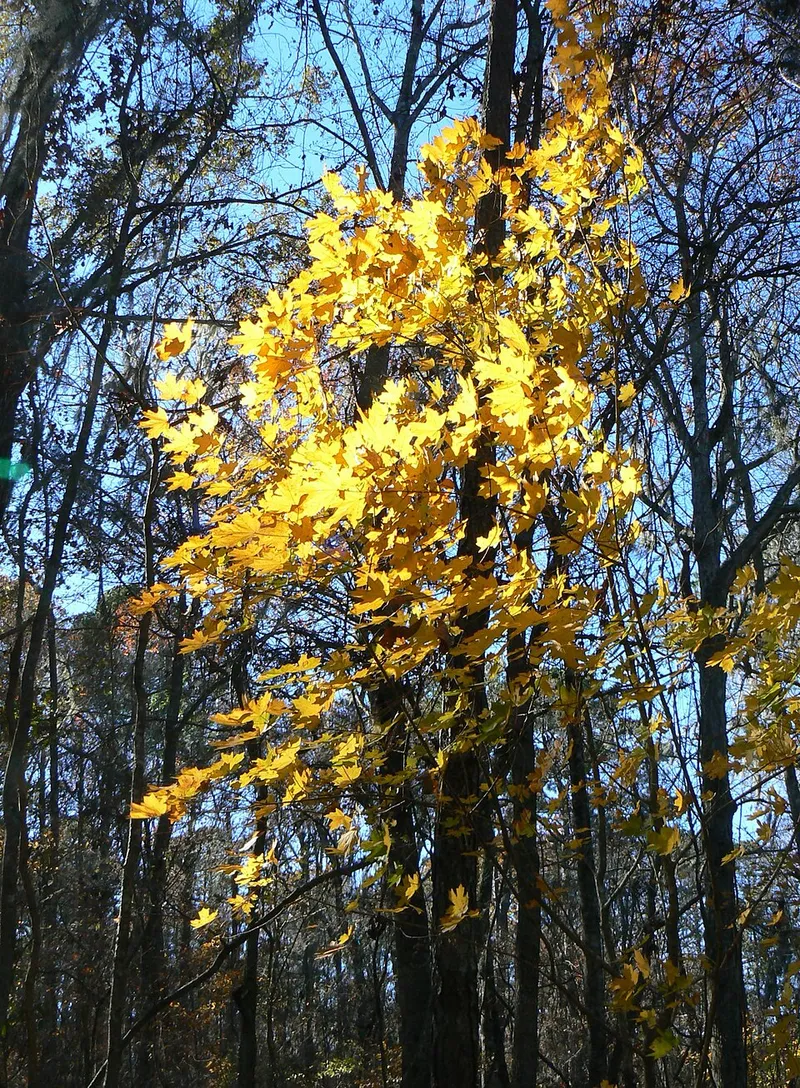
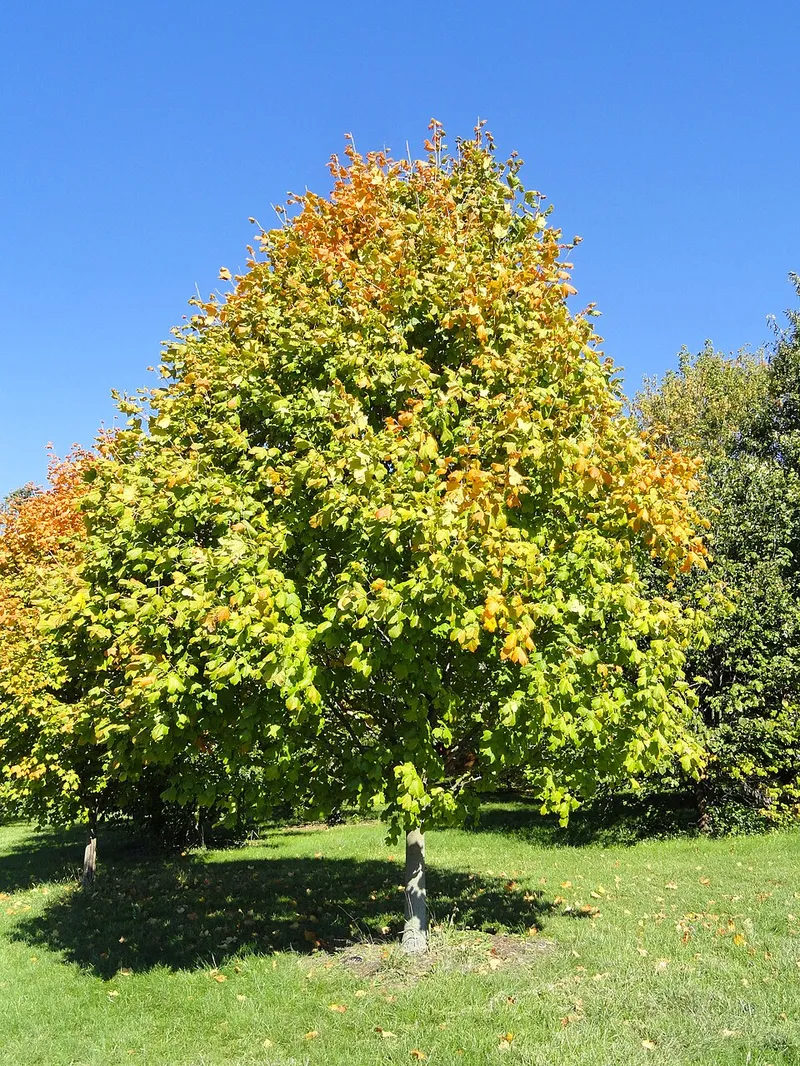
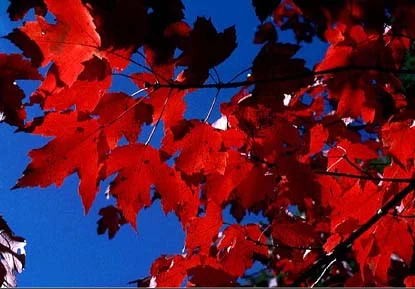
60-90 feet tall by 25-60 feet wide; dioecious with tiny green to purple flowers in April; female trees produce dense clusters of winged samara seeds 3-5 cm long. Growth rate medium. Rounded, dense crown. Fall color red, purple, or yellow.
Native region: Statewide in Tennessee on moist, well-drained slopes, bottomlands, and floodplain margins.
Planting of F. americana is no longer recommended anywhere in the eastern United States. Emerald ash borer (Agrilus planipennis), a metallic green beetle introduced from Asia, has moved through Tennessee in force and kills infected trees within 3-5 years by girdling the cambium beneath serpentine larval galleries. Any existing white ash in a Middle Tennessee landscape should be assessed for infestation, S-shaped galleries under bark, D-shaped exit holes 3-4 mm wide, and crown dieback from the top down are definitive signs. Systemic trunk injection with emamectin benzoate can protect high-value specimens for 2-3 years but requires professional application. Ash yellows, caused by a phytoplasma, compounds decline in already-stressed trees. Do not plant replacement ashes of any species (F. pennsylvanica, F. velutina), all native ash species are susceptible to emerald ash borer.
Quick Facts
- Common Name
- White Ash
- Scientific Name
- Fraxinus americana
- Plant Type
- Tree
- Region
- Middle Tennessee