About Shagbark Hickory
Shagbark Hickory (Carya ovata)
Full to part sun, medium to dry moisture, tolerates rocky and clay soils, pH 6.0-7.5.
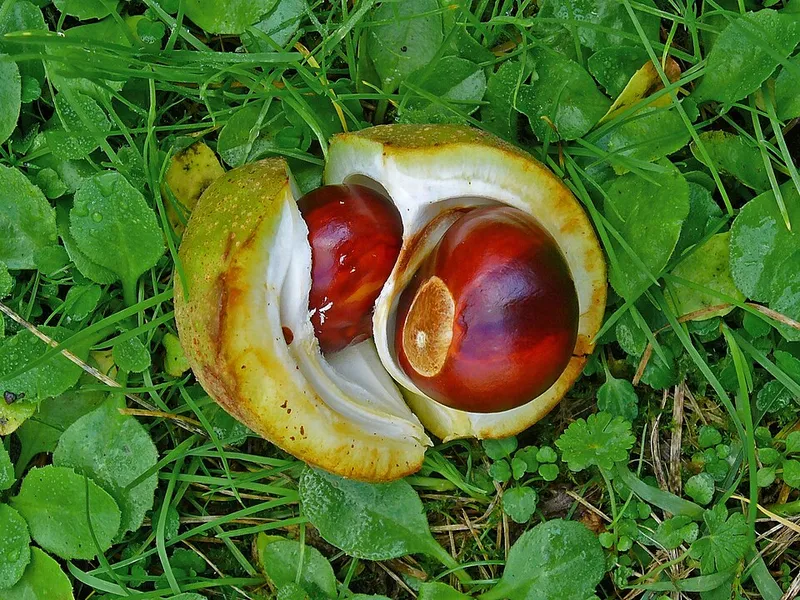
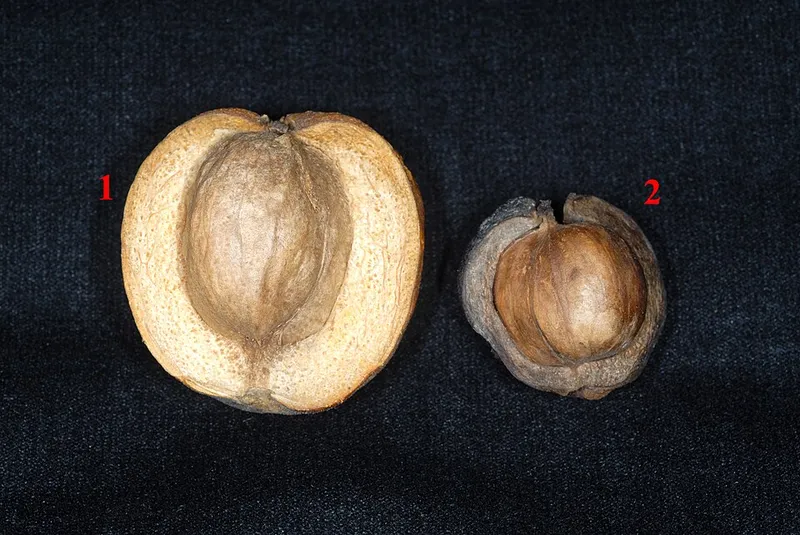
70-90 feet tall by 40-60 feet wide; blooms in spring with male catkins in sets of three, 8-13 cm long, and inconspicuous female spikes; fruit is a thick-husked, tan-brown round nut 2.5-5 cm in diameter, ripening September-October. Growth rate slow to medium.
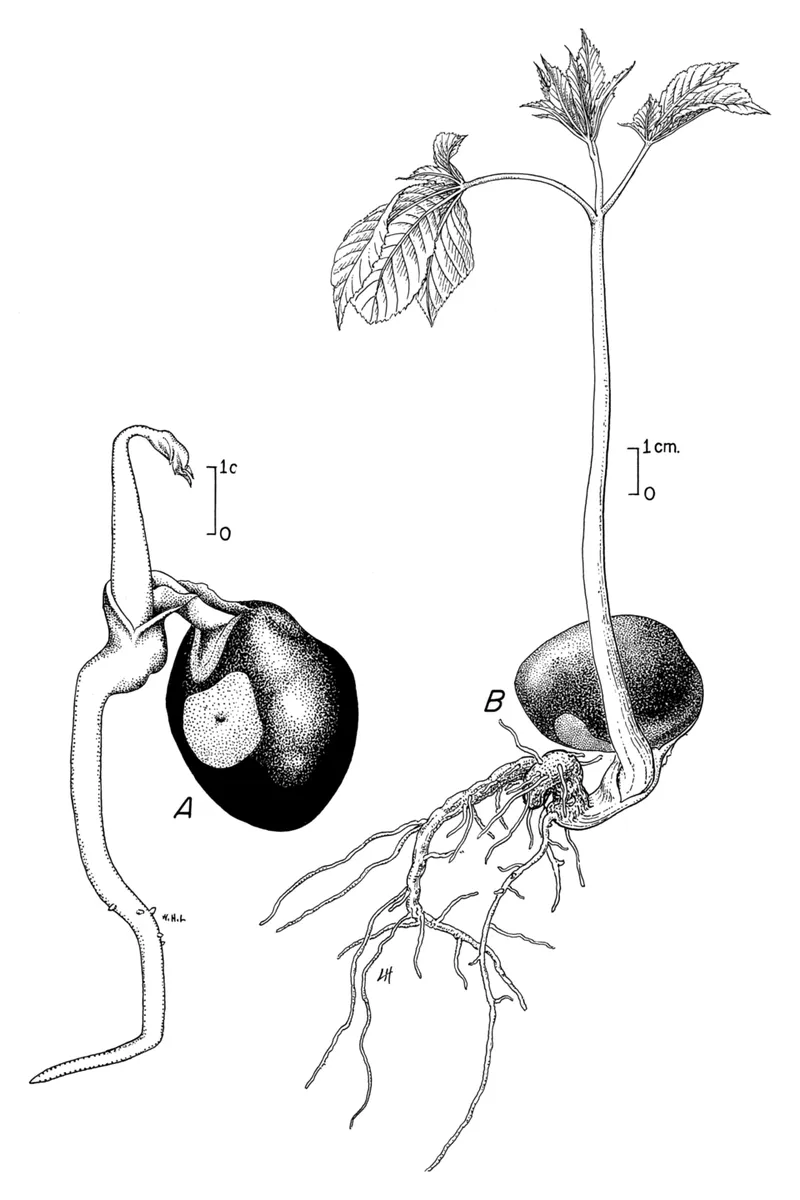
Germination Code C (cold stratification, 60-90 days at 34-40°F); plant fresh-collected nuts in fall; deep taproot makes container growing difficult beyond one growing season.
Native region: Statewide, most abundant on well-drained upland slopes and ridges throughout Middle Tennessee including the I-65 corridor.
The exfoliating, shaggy-plated bark is the defining identification character, no other Tennessee hickory develops plates that curl away from the trunk at both ends. Carya ovata is one of the most wildlife-productive native trees in the region: the large, sweet nuts are preferred forage for white-tailed deer, wild turkey, and fox squirrels. Like all hickories, it is susceptible to defoliators including hickory horned devil (Citheronia regalis) caterpillars and cankerworms tracked in UT Extension defoliator surveys, but established trees recover from partial defoliation without intervention. The deep taproot makes transplanting from the wild essentially impossible; use container-grown nursery stock or direct-seed. Mulching the drip line per UT Extension guidelines retains moisture during the slow establishment period on Middle Tennessee's shallow clay-over-limestone soils.
Quick Facts
- Common Name
- Shagbark Hickory
- Scientific Name
- Carya ovata
- Plant Type
- Tree
- Region
- Middle Tennessee