About Shingle Oak
Shingle Oak (Quercus imbricaria)
Laurel Oak
Full sun, moderately wet to moderately dry moisture, prefers rich loam but adapts to silt loam, sandy loam, and clay loam, requires acidic pH (4.5-6.5), susceptible to iron chlorosis at neutral or higher pH.
50-60 feet tall by 25-35 feet wide; blooms in spring with drooping yellow catkins 5-8 cm long and inconspicuous female spikes; dark brown dome-shaped acorns 13-17 mm long, requiring two growing seasons to mature. Growth rate slow, 15-30 cm per year in the first 30 years.
Germination Code C (cold stratification, 30-60 days at 34-41°F); transplants with less difficulty than most oaks despite a taproot, due to a supplementary fibrous lateral root system.
Native region: Primarily the Coastal Plain and Interior Low Plateau provinces of Tennessee, with presence in the Ridge and Valley; a Middle Tennessee native on moist bottomland slopes.
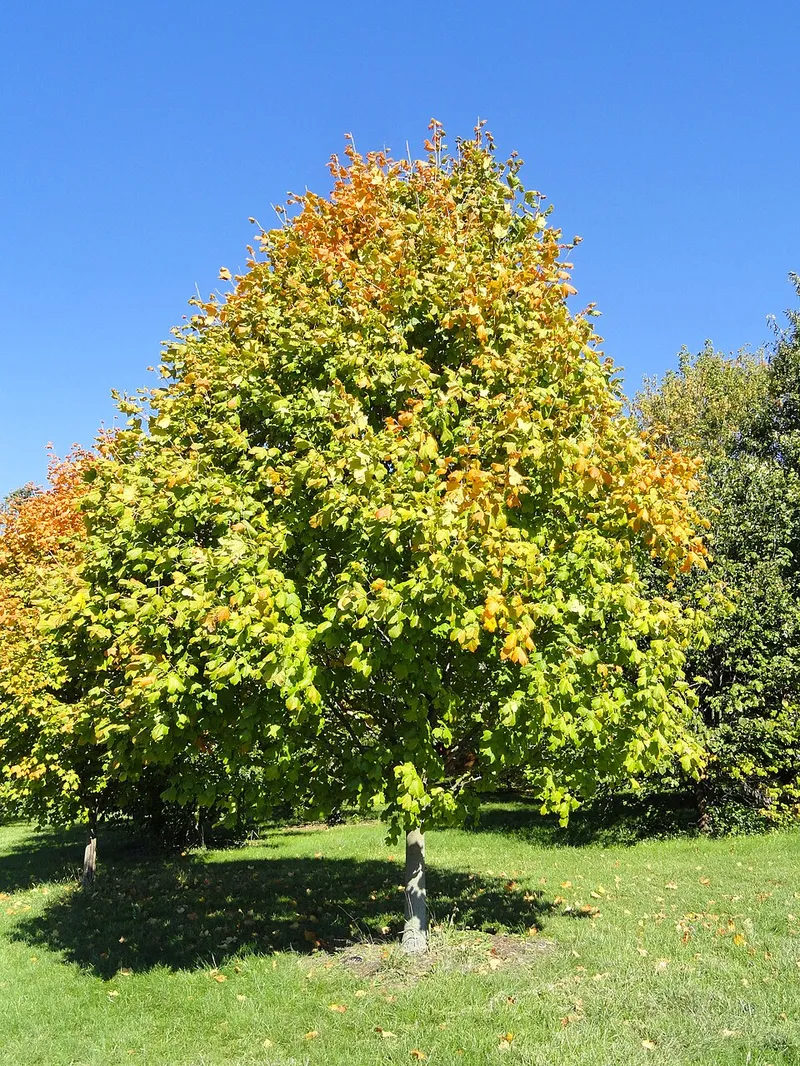
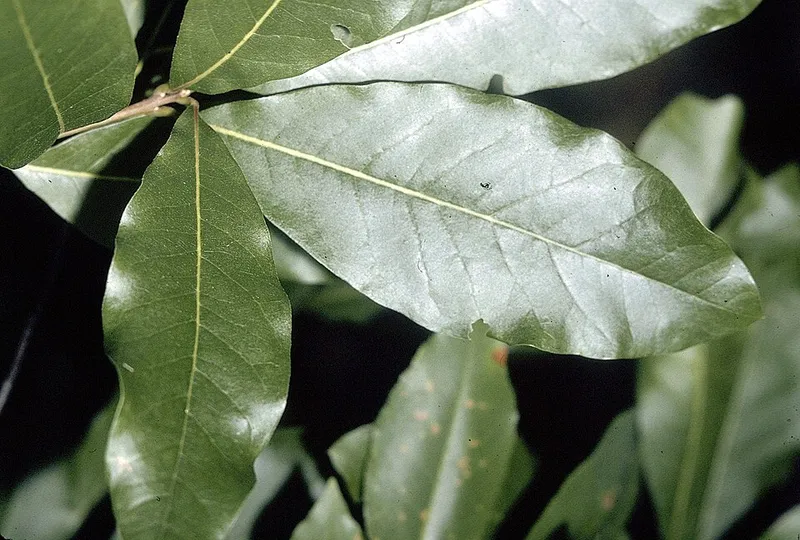
Quercus imbricaria is the odd oak out: its leaves are entire and unlobed, resembling a willow or laurel rather than a typical oak, with a single bristle tip at the apex. The name references use of the wood for roof shingles by early settlers. Conical crown with symmetrical branching and persistent marcescent leaves through winter make it recognizable in the landscape even when leafless. UT Extension shade tree publications cover the oak disease spectrum, wilt, leaf blister, canker, powdery mildew, applicable here, and bacterial leaf scorch (Xylella fastidiosa) is a documented threat in Tennessee landscape oaks. Good companion to other shade oaks where a medium-sized tree with distinctive foliage contrast is needed.
Quick Facts
- Common Name
- Shingle Oak
- Scientific Name
- Quercus imbricaria
- Plant Type
- Tree
- Region
- Middle Tennessee