About Sawtooth Oak
Sawtooth Oak (Quercus acutissima)
Full sun, medium to dry moisture, tolerates clay loam, sandy loam, and moderately compacted soils, pH 5.5-7.0.
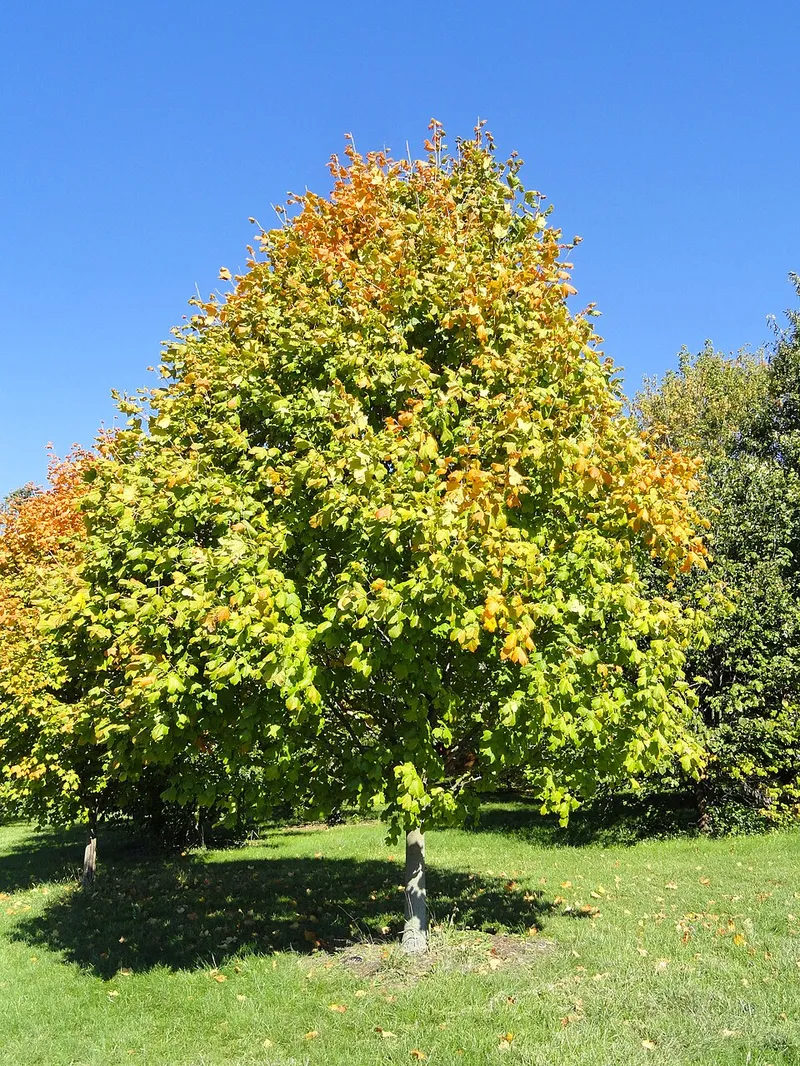
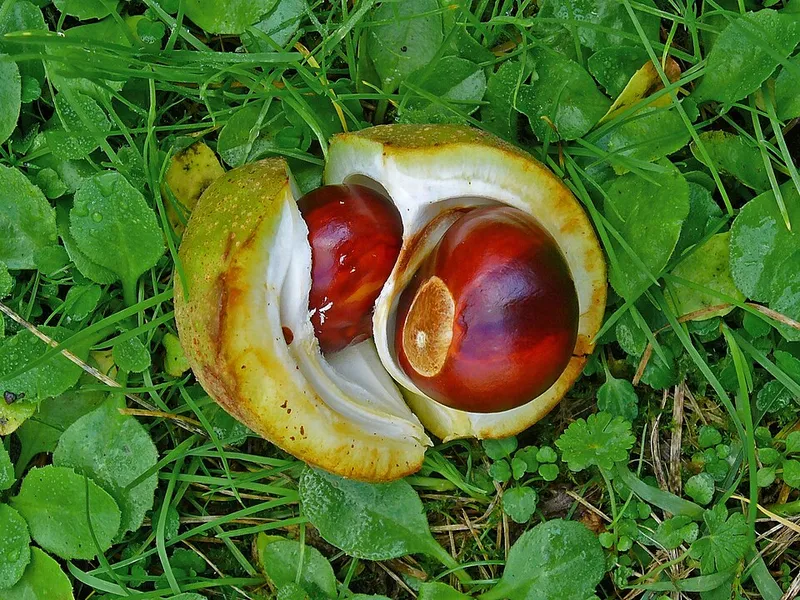
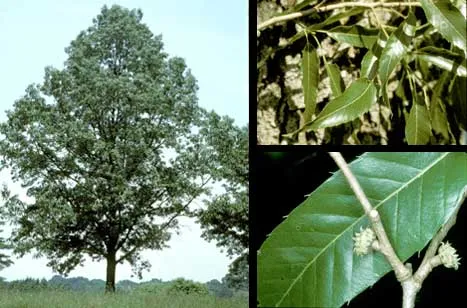
40-60 feet tall by 40-60 feet wide; blooms in spring with pendulous yellow-green male catkins and inconspicuous female spikes; acorns 1.9-2.5 cm long with a distinctive fringed or bristle-tipped mossy cup covering nearly the entire nut, ripening in the second growing season. Growth rate fast, among the fastest-establishing oaks in Tennessee.
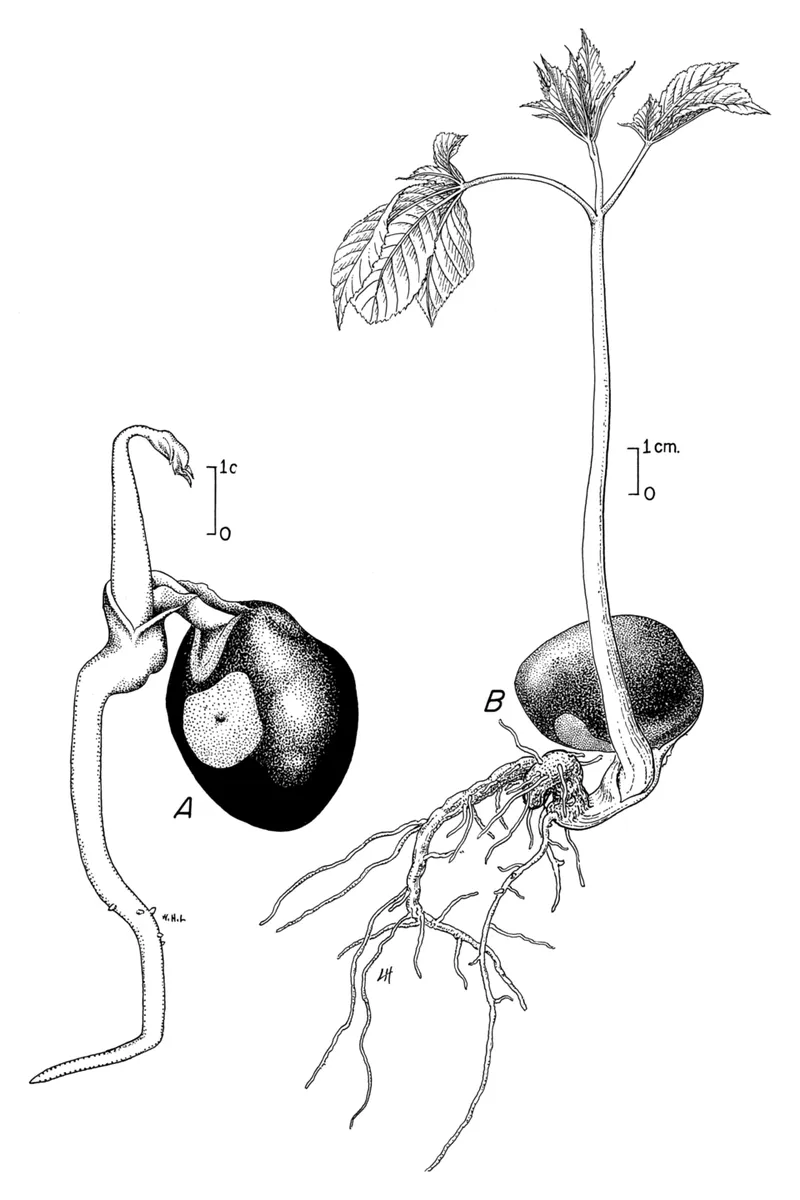
Germination Code C (30-60 days cold stratification); acorns germinate readily when fresh-sown in fall.
Native region: Not native to Tennessee; ornamental and wildlife-planting introduction from East Asia (China, Korea, Japan).
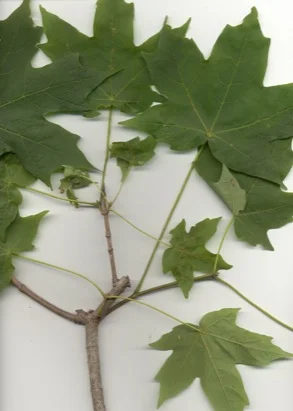
The coarsely serrated leaf margins with bristle-tipped teeth, resembling chestnut foliage more than typical oak, are the definitive field identification feature. Quercus acutissima is widely planted in Tennessee for wildlife food plots because acorn production begins at 10-15 years (earlier than most native oaks) and crops are heavy and consistent. UT Extension oak disease surveys document susceptibility to oak wilt, oak leaf blister, leaf spot, and canker diseases common to all oaks in Tennessee; bacterial leaf scorch (Xylella fastidiosa) has been confirmed in shade oaks across the state and should be considered when evaluating unexplained branch dieback. Scale, leaf miners, and oak lace bugs also affect this species under UT Extension defoliator guidelines. Not considered invasive in Tennessee but has naturalized in isolated Mid-Atlantic locations.
Quick Facts
- Common Name
- Sawtooth Oak
- Scientific Name
- Quercus acutissima
- Plant Type
- Tree
- Region
- Middle Tennessee