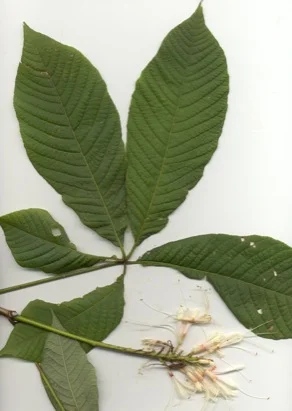
About Red Buckeye
Red Buckeye (Aesculus pavia)
Full to part sun, medium to moderately moist moisture, tolerates clay and loam soils, pH 5.5-7.5.
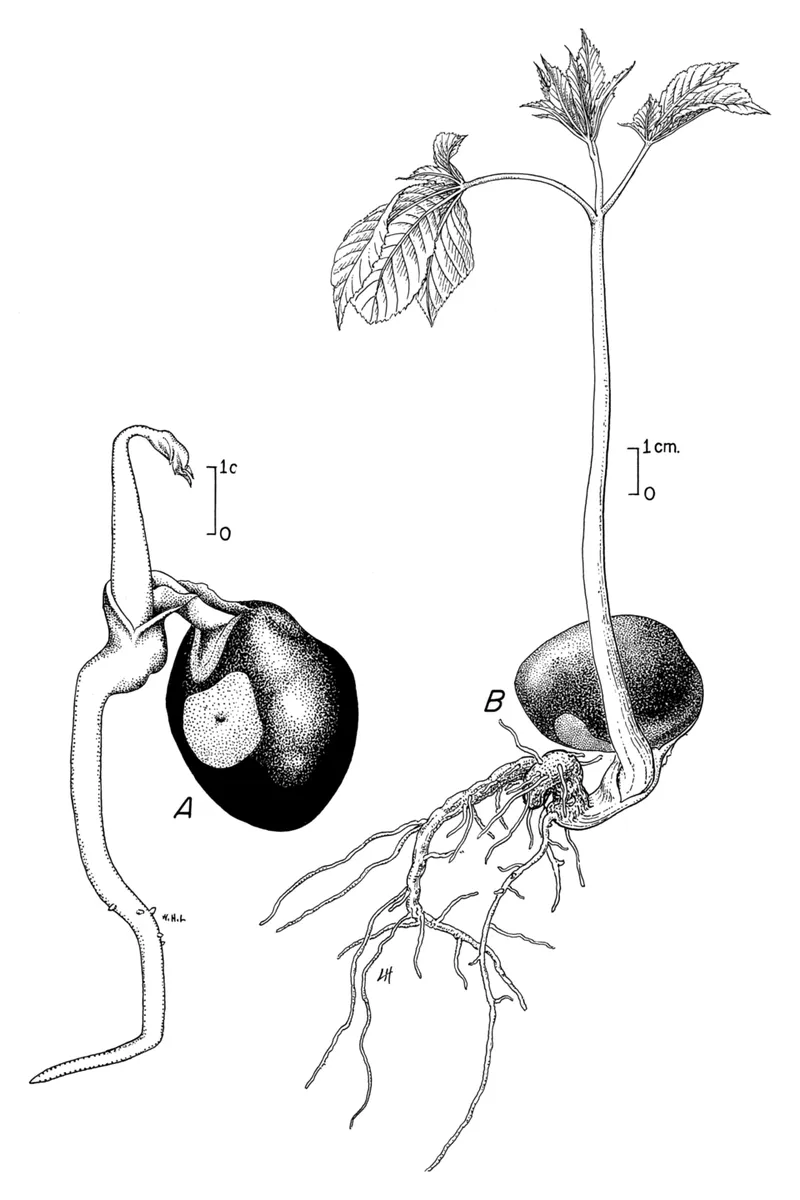
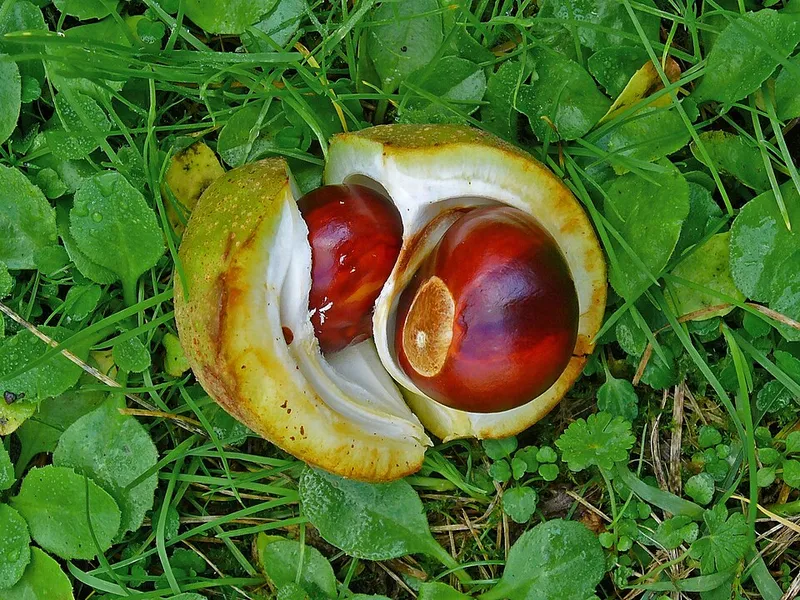
10-20 feet tall by 10-15 feet wide; showy red tubular flowers in 4-8-inch upright panicles in April-May; fruit is a smooth, leathery capsule 2-3 cm diameter containing 1-3 glossy dark brown seeds (buckeyes), ripening September-October. Growth rate slow to medium.
Native region: Middle and West Tennessee; most abundant on moist, well-drained slopes and ravine edges in the Highland Rim and Central Basin.
Aesculus pavia is the most heat-tolerant buckeye native to Tennessee and one of the best small flowering trees for Middle Tennessee woodland garden settings. The red tubular flowers are timed precisely for ruby-throated hummingbird (Archilochus colubris) spring migration, a notable ecological relationship. All parts of the plant, including the seeds, are toxic to humans and livestock due to aesculin glycosides; buckeyes should not be planted near livestock pastures or where children may collect the attractive seeds. Early summer dormancy is normal, foliage often drops by August in drought years, so site where seasonal bare trunks are not a landscape liability. No serious insect pests in Tennessee; Cercospora leaf blotch occasionally disfigures foliage in wet summers.
Quick Facts
- Common Name
- Red Buckeye
- Scientific Name
- Aesculus pavia
- Plant Type
- Tree
- Region
- Middle Tennessee