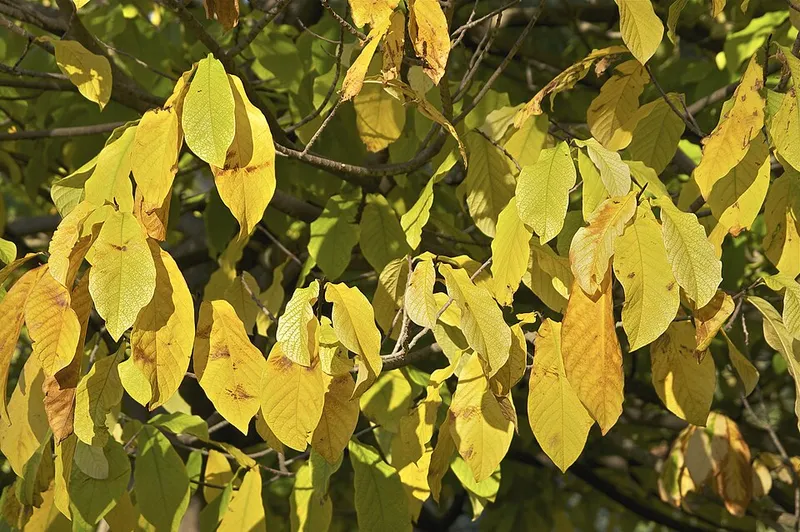
About Pawpaw
Pawpaw (Asimina triloba)
Dog Banana
Full sun to light shade, medium to moderately moist moisture, prefers deep rich loam, tolerates clay in well-drained sites, pH 5.5-7.0.
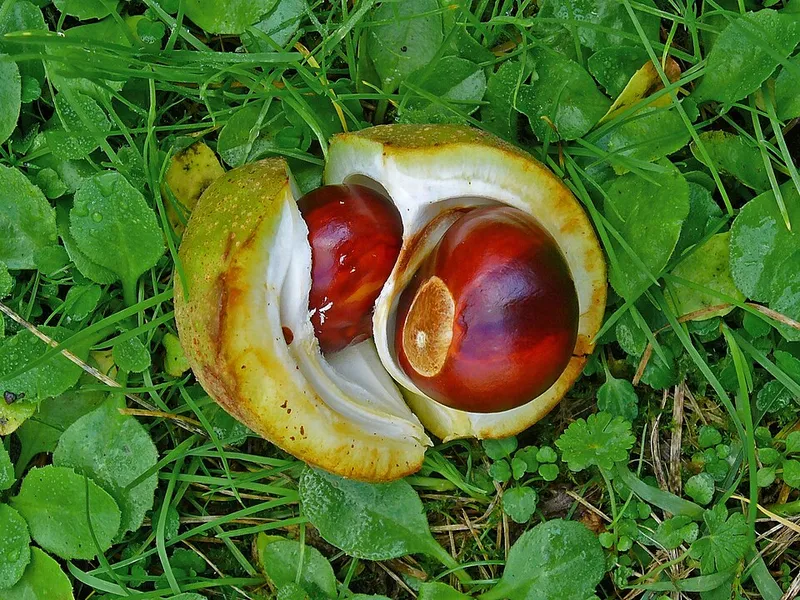
15-30 feet tall by 10-20 feet wide; maroon-purple, 3-petaled flowers 2-4 cm wide in April before leaf-out; fruit is a large, oblong yellow-green berry 5-15 cm long containing large flat seeds embedded in custard-like flesh, ripening September-October. Growth rate slow initially, then medium. Spreads by root suckers to form colonies.
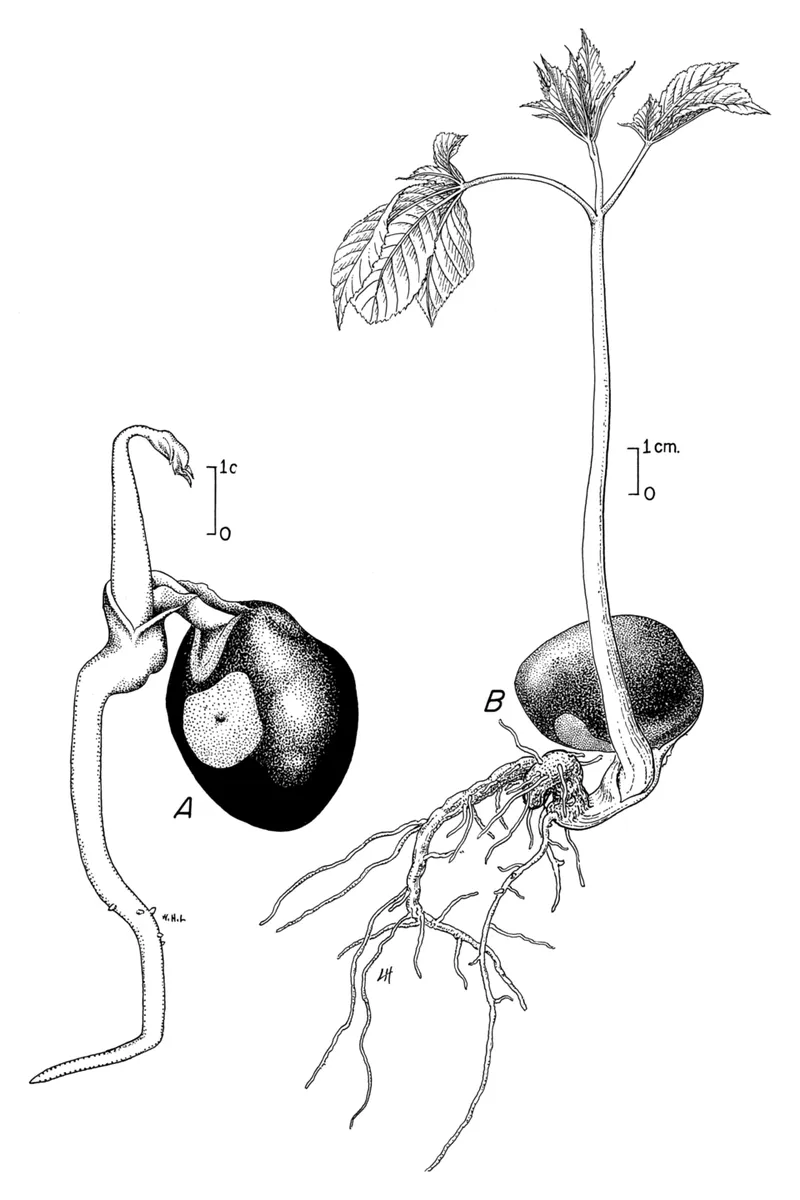
Seed germination requires cold stratification (80-120 days at 4°C); seeds lose viability if allowed to dry.
Native region: Statewide in Tennessee, most abundant in moist bottomlands, ravine slopes, and floodplain forests of Middle and West Tennessee.
Asimina triloba is the only member of the tropical Annonaceae family hardy in temperate North America and produces the largest edible fruit native to the United States. In Middle Tennessee, it thrives in the creek corridors and bottomland forests common throughout Maury County. Cross-pollination between two genetically distinct plants is required for fruit set; solitary specimens rarely fruit. The flowers have a faint rotting-meat scent and are pollinated by flies and beetles rather than bees. Zebra swallowtail (Eurytides marcellus) larvae feed exclusively on pawpaw foliage and will not survive without it. The fruit contains annonacin, and consumption of seeds or skin in large quantities should be avoided. Established root-sucker colonies are difficult to eliminate once established.
Quick Facts
- Common Name
- Pawpaw
- Scientific Name
- Asimina triloba
- Plant Type
- Tree
- Region
- Middle Tennessee