About Paperbark Maple
Paperbark Maple (Acer griseum)
Full to part sun, medium moisture, prefers well-drained loam but tolerates clay with good drainage, pH 5.5-7.5.
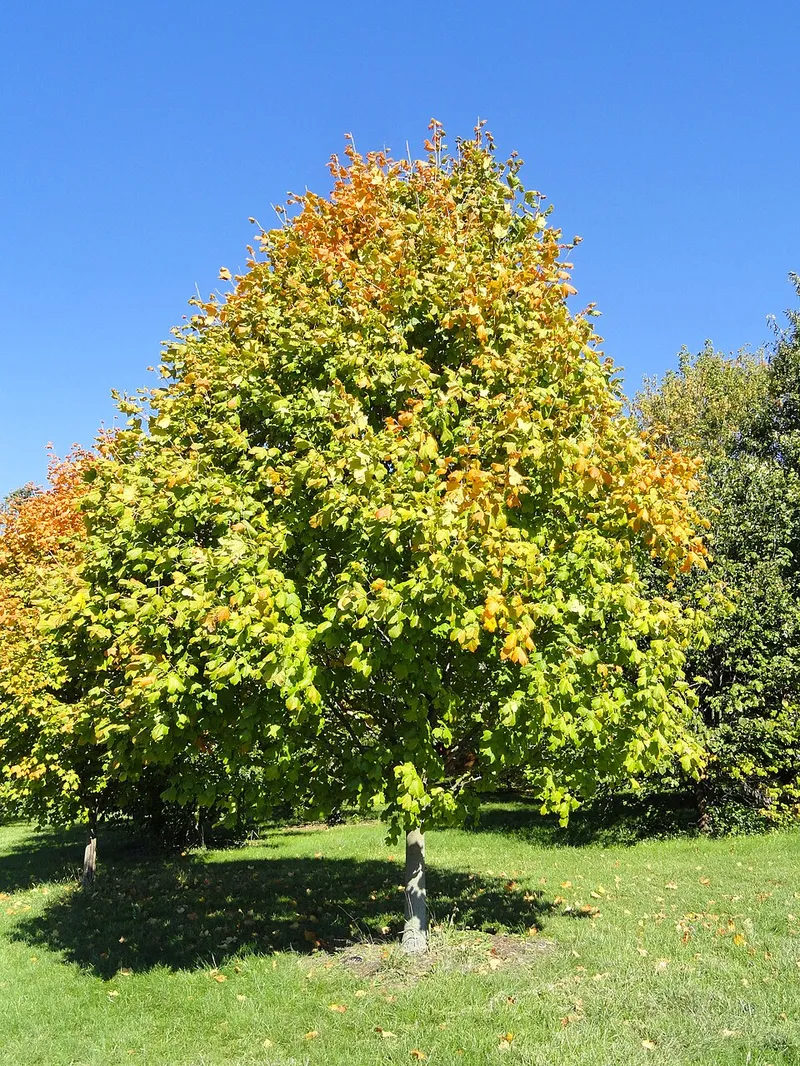
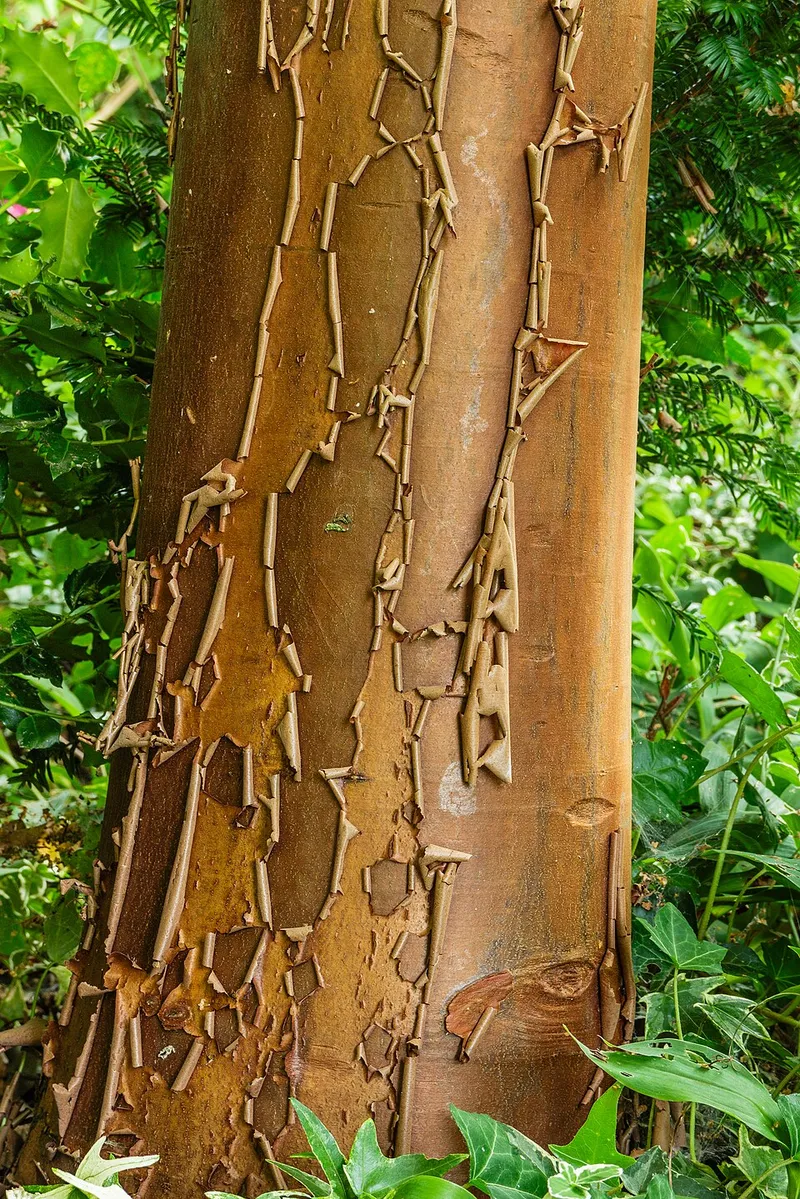
20-30 feet tall by 15-25 feet wide; small yellow-green flowers in spring; fruit is a paired samara with broad wings, ripening in fall. Growth rate slow. Bark peels in thin cinnamon-orange papery sheets year-round, the primary ornamental feature.
Native region: Not native to Tennessee; ornamental introduction from central China.
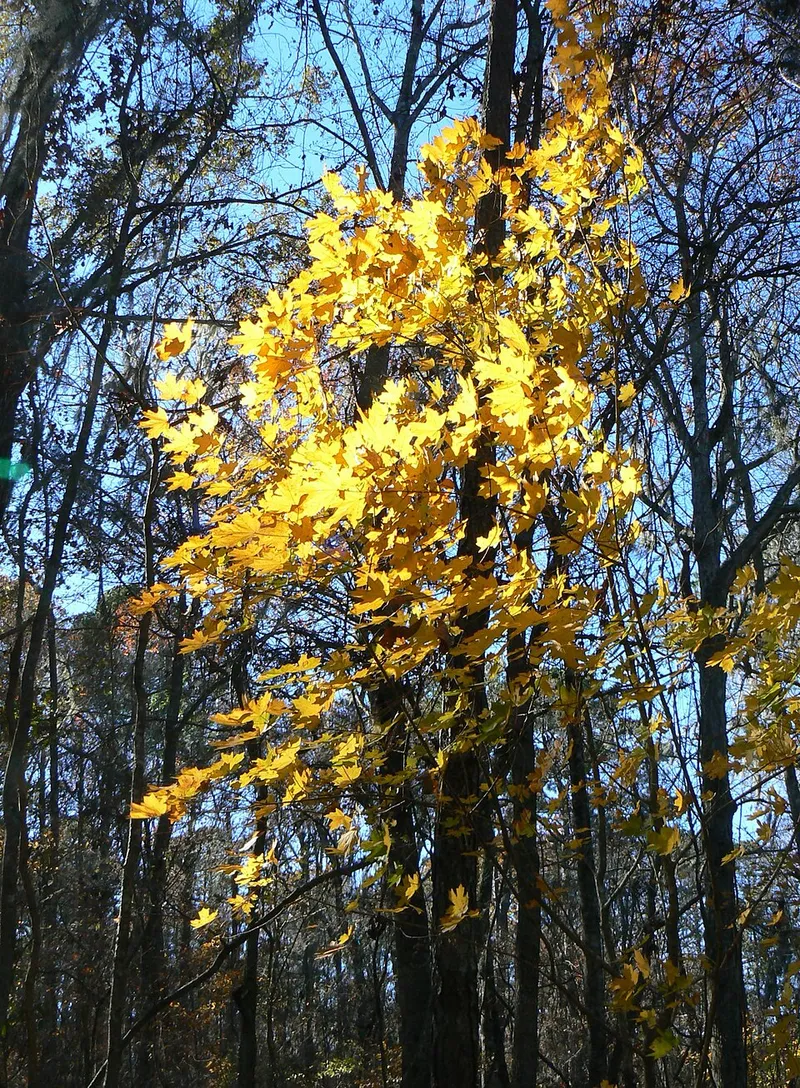
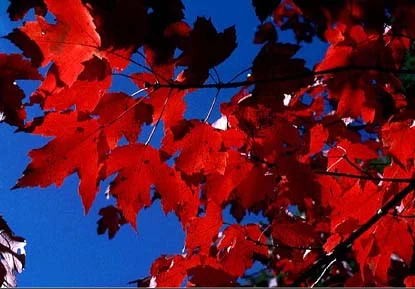
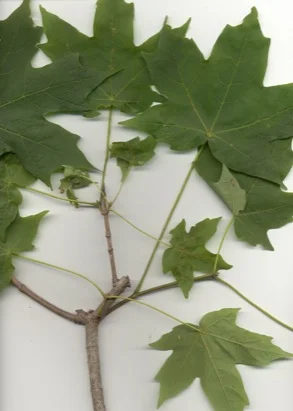
Acer griseum is grown almost exclusively for its exfoliating bark, which provides year-round interest even after leaf drop. The trifoliate leaves, uncommon among maples, are dark green above, blue-green below, and turn scarlet to crimson in fall. Seed fertility is notoriously low in cultivation; most commercial propagation relies on grafting onto Acer maximowiczianum rootstock. In Middle Tennessee, established specimens are reliably cold-hardy and handle Zone 6b/7a winters without damage, but they are slow to establish and benefit from consistent soil moisture and mulch during the first several years. Verticillium wilt (Verticillium dahliae) is the greatest disease risk; avoid planting in sites with a history of solanaceous crops or diseased trees. Deer browse is infrequent compared to other ornamental maples.
Quick Facts
- Common Name
- Paperbark Maple
- Scientific Name
- Acer griseum
- Plant Type
- Tree
- Region
- Middle Tennessee