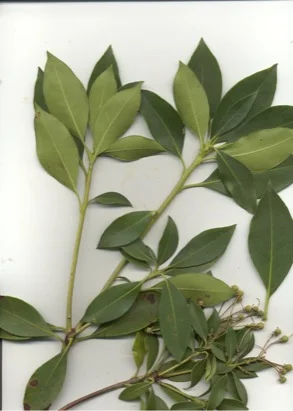
About Mountain Laurel
Mountain Laurel (Kalmia latifolia)
Calico Bush, Spoonwood
Full sun to light shade, medium to dry moisture, prefers well-drained acidic sandy loam or rocky soil, pH 4.5-5.5; intolerant of wet, poorly drained conditions or alkaline soils.
7-15 feet tall and wide; blooms May-June with showy clusters of white to deep pink flowers, each bud a pentagonal star that opens explosively to release pollen; fruit a dry, 5-celled capsule. Growth rate slow. Spreads slowly by layering and root sprouting.
Germination Code C (cold stratification, 60-90 days); very small seeds; vegetative propagation by cuttings preferred commercially.
Native region: Middle and East Tennessee, concentrated on acidic, well-drained slopes of the Cumberland Plateau and Ridge and Valley provinces; uncommon in the Central Basin.
All parts of K. latifolia are toxic, leaves and nectar contain grayanotoxins that cause poisoning in livestock, deer (which generally avoid it), and humans. In Middle Tennessee's heavy clay soils, success requires raised beds or significant organic amendment to provide the sharp drainage this species demands; planting in unamended clay guarantees phytophthora root rot within a few seasons. The explosive anther mechanism, stamens held under tension and springing outward when disturbed by a bee, is one of the more distinctive pollination adaptations among native shrubs. Leaf spot diseases are cosmetically damaging but rarely fatal; avoid overhead irrigation to reduce foliar wetness.
Quick Facts
- Common Name
- Mountain Laurel
- Scientific Name
- Kalmia latifolia
- Plant Type
- Tree
- Region
- Middle Tennessee