About Hedge Maple
Hedge Maple (Acer campestre)
Full to part sun, medium to moderately dry moisture, tolerates clay, loam, and alkaline soils, pH 4.5-8.5.
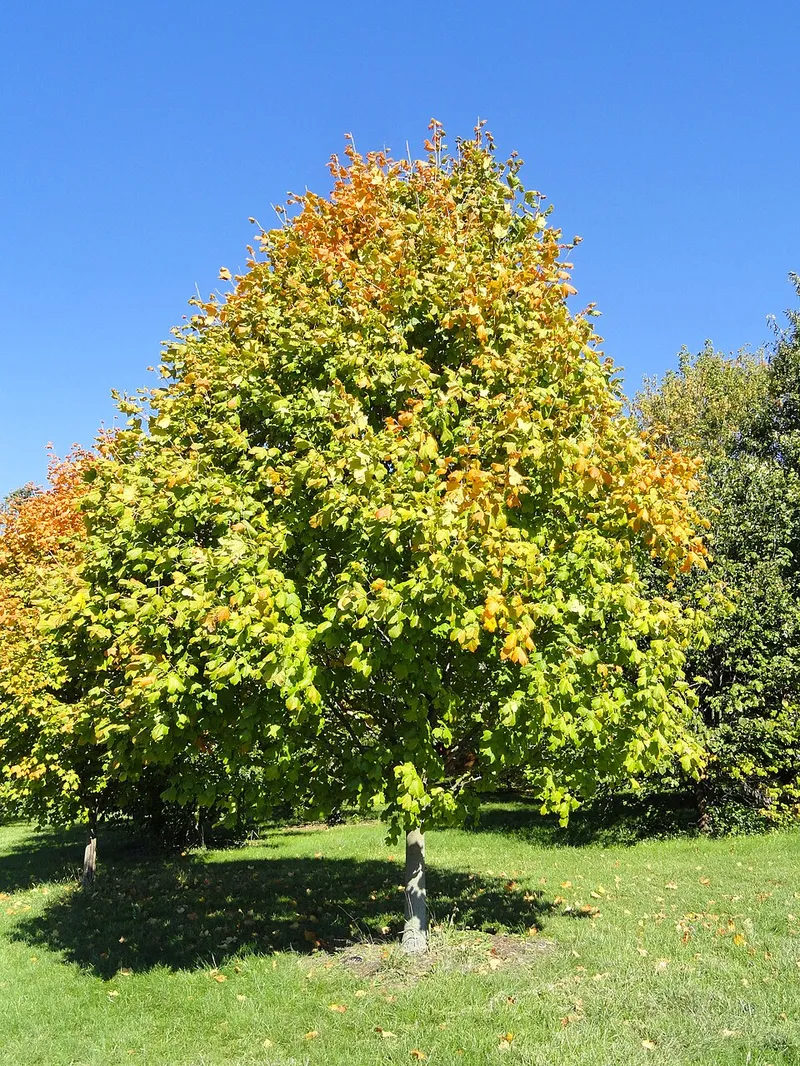
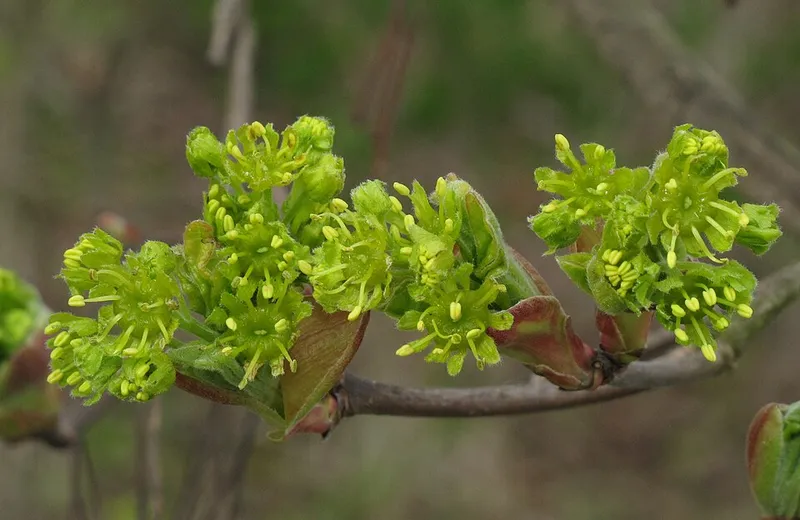
25-35 feet tall by 25-35 feet wide; inconspicuous yellow-green flowers in spring; fruit is a broadly winged paired samara with wings spreading nearly horizontally, ripening in fall. Growth rate slow to medium.
Native region: Not native to Tennessee; ornamental introduction from Europe, western Asia, and North Africa.
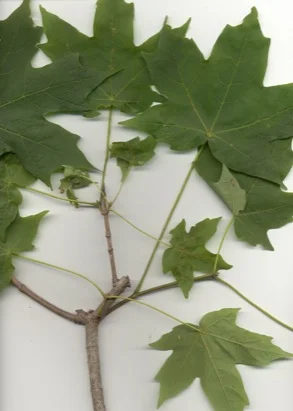
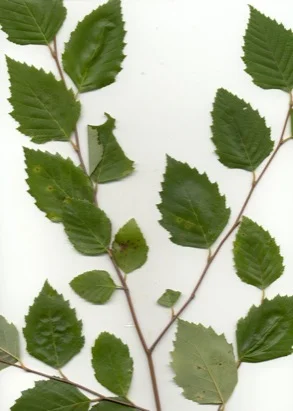
Hedge Maple earns its name from its long use as a clipped hedge plant in European gardens, where it tolerates repeated shearing. As a landscape tree in Middle Tennessee, it is valued mainly for dense, rounded form, tolerance of alkaline soils rare among maples, and resistance to air pollution, attributes that favor it in parking lots and urban streetscapes along the I-65 corridor. The five-lobed leaves are smaller and slower-growing than most other landscape maples, producing a tidy canopy. Verticillium wilt (Verticillium dahliae) is the primary disease risk in Tennessee; affected trees show sudden branch wilting and should have infected limbs removed promptly. Not significantly invasive in Tennessee but self-seeds freely in moist sites; monitor for seedling escape near woodland edges. Scale and aphids can cause leaf distortion on young trees.
Quick Facts
- Common Name
- Hedge Maple
- Scientific Name
- Acer campestre
- Plant Type
- Tree
- Region
- Middle Tennessee