About English Oak
English Oak (Quercus robur)
Pedunculate Oak, Common Oak
Full sun, medium moisture, prefers deep, well-drained loam but tolerates clay and sandy soils, pH 5.5-8.0.
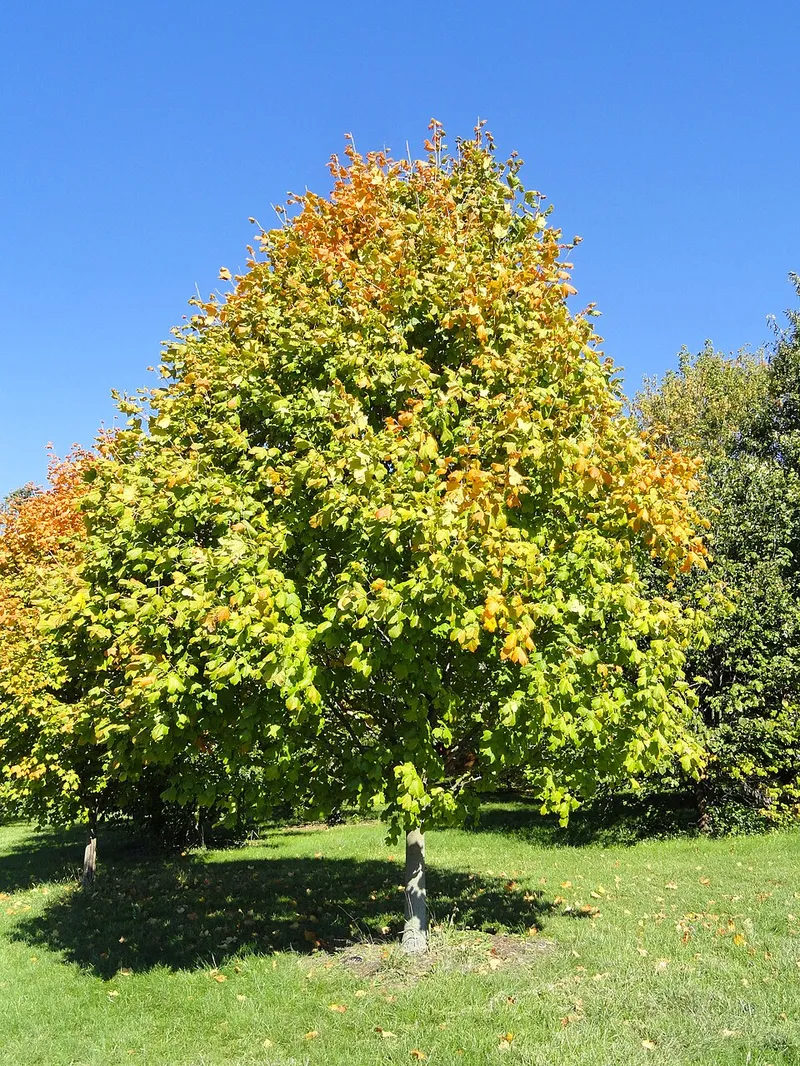
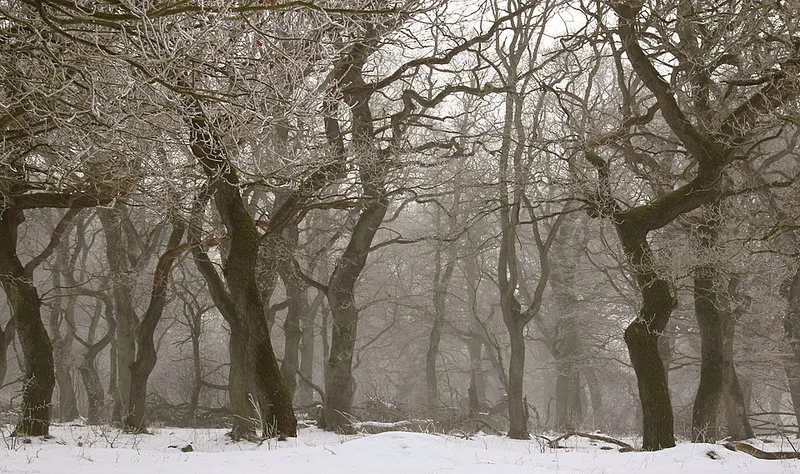
40-60 feet tall in cultivation (to 100 feet in optimal conditions) by 40-70 feet wide; blooms in spring with pendulous male catkins and inconspicuous female spikes on distinctive long peduncles (stalks); acorns 19-32 mm long on elongated stalks (peduncles) 2.5-7.6 cm, the pedunculate character that distinguishes this species, ripening in a single season. Growth rate slow to medium.
Native region: Not native to Tennessee; ornamental introduction from Europe and western Asia; the national tree of England.
The stalked (pedunculate) acorns, held on slender 2.5-7.6 cm stalks, are the quickest field separation from all native Tennessee oaks, which produce sessile or very short-stalked acorns. Quercus robur performs adequately in Zone 6b/7a Tennessee but is somewhat less heat- and drought-tolerant than native alternatives; the humid subtropical summers of the I-65 corridor can stress specimens not sited on well-drained soil. Powdery mildew (Erysiphe alphitoides) is chronic on Q. robur in humid climates and is documented in UT Extension shade tree disease surveys; it rarely kills established trees but causes cosmetic late-season defoliation. Oak wilt susceptibility is lower than in the red oak group. Columnar cultivars ('Fastigiata') provide a useful upright form for restricted-width planting strips.
Quick Facts
- Common Name
- English Oak
- Scientific Name
- Quercus robur
- Plant Type
- Tree
- Region
- Middle Tennessee