About Dawn Redwood
Dawn Redwood (Metasequoia glyptostroboides)
Full sun, moist to wet, tolerates periodic flooding and clay soils, pH 5.0-7.0; avoid alkaline or excessively dry sites.
70-100 feet tall by 25-35 feet wide; monoecious; male cones in long pendulous racemes, female cones small and round, 1.9-2.5 cm, ripening in fall. Deciduous conifer, needles drop in fall after turning russet-brown to bronze-orange. Growth rate fast, 45-60 cm per year in youth.
Native region: Not native to Tennessee; ornamental introduction from central China (Hubei and Sichuan); considered a living fossil, not known from wild populations until 1944.
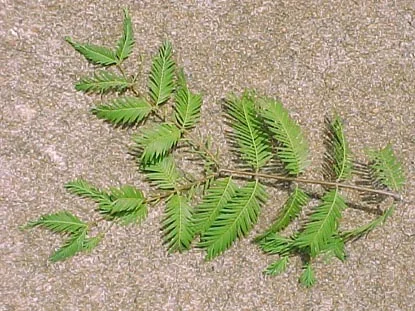
Metasequoia glyptostroboides is one of the fastest-establishing large conifers for moist sites in Middle Tennessee and thrives on the bottomland clay soils common near the Duck River and other low-lying areas in Maury County. Its tolerance of seasonal standing water distinguishes it from most large conifers. Opposite leaf arrangement (vs. alternate in Taxodium distichum) and the characteristic buttressed, fluted trunk base provide field separation from Baldcypress. UT Extension shade tree publications note few serious pest problems in Tennessee landscapes; canker diseases may affect drought-stressed specimens, so siting in consistently moist soils is the primary maintenance strategy. The pyramidal crown narrows with age and requires substantial lateral space, minimum 20-foot clearance from structures.
Quick Facts
- Common Name
- Dawn Redwood
- Scientific Name
- Metasequoia glyptostroboides
- Plant Type
- Tree
- Region
- Middle Tennessee