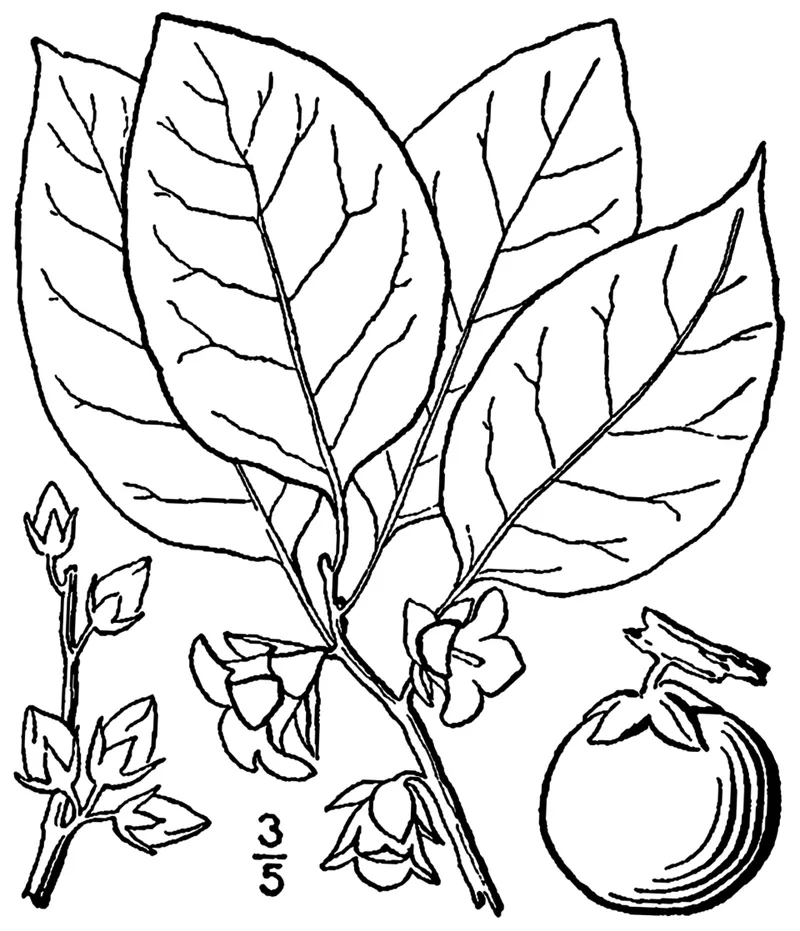
About Common Persimmon
The Common Persimmon is a resilient, native fruit tree that thrives across the Middle Tennessee landscape, from the rolling hills of Columbia to the clay-rich corridors of Spring Hill and Franklin. Diospyros virginiana is exceptionally well-suited to our USDA hardiness zones 6b and 7a, demonstrating high tolerance for the region's intense summer humidity and the heavy, moisture-retentive soils characteristic of the I-65 corridor. While often found in the wild, it serves as a rugged, low-maintenance ornamental addition to managed landscapes that provides both structural interest and a late-season harvest.
Quick facts
- Hardiness: Zones 4-9 (Ideal for Middle TN 6b/7a)
- Light: Full sun (at least 6-8 hours daily)
- Mature size: 35-50 feet high by 20-35 feet wide
- Growth rate: Slow to moderate
- Best soil: Deep, well-drained loamy soils; adaptable to heavy clay and various pH levels
When to plant In Middle Tennessee, the best time to plant is late winter or early spring (February through March) while the tree is still dormant. This allows the deep taproot to begin establishing before the stress of humid summer heat. Container-grown trees can also be successfully installed in late autumn.
Pruning Pruning should be performed in late winter during dormancy. Train young trees to a central leader system to develop a strong structural framework capable of supporting heavy fruit loads. Mature trees require minimal intervention; focus on removing dead or crossing branches and thinning the canopy to maintain airflow, which is critical in our humid climate.
Fertilizing Apply a balanced fertilizer, such as a 10-10-10 blend, in early spring as new growth emerges. Use approximately one pound per inch of trunk diameter. Avoid excessive nitrogen, as this can trigger aggressive foliage growth at the expense of fruit production and may lead to premature fruit drop.
Best varieties for our region UT Extension recommends several cultivars for Tennessee, including 'Early Golden' for its productivity and 'Yates' for its reliable flavor. 'Meader' is particularly valued in Middle Tennessee for being self-fertile and highly cold-hardy.
Common problems Persimmon Wilt (Cephalosporium diospyri) is the most serious threat, often causing rapid tree death within a single season. Twig Girdlers are common pests that serve as vectors for this fungus. Additionally, the Persimmon Borer can damage the trunk and roots of young trees if not monitored.
Quick Facts
- Common Name
- Common Persimmon
- Scientific Name
- Diospyros virginiana
- Plant Type
- Tree
- Region
- Middle Tennessee