About Chinese Elm
Chinese Elm (Ulmus parvifolia)
Full to part sun, medium to moderately dry moisture, tolerates clay, loam, and sandy soils, pH 4.5-8.0.
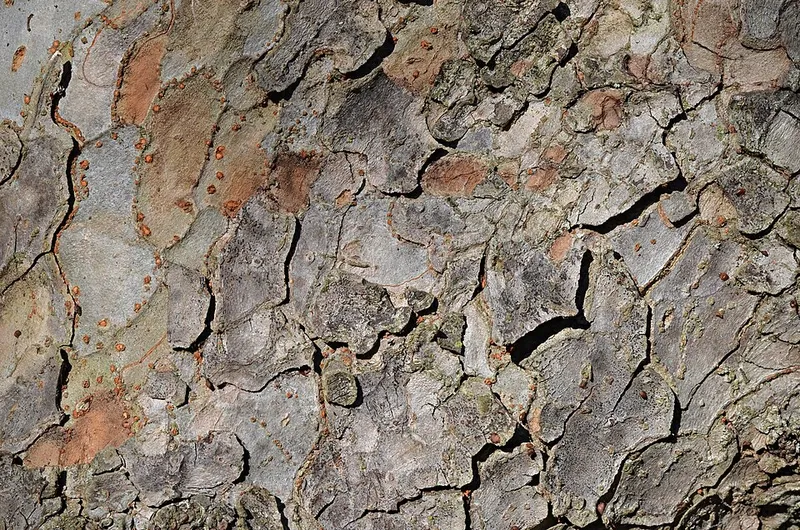
40-60 feet tall by 40-50 feet wide; inconspicuous flowers in late summer to fall (unlike most elms); fruit is a small samara ripening in October-November. Growth rate medium to fast. Bark on mature specimens exfoliates in patches of gray, green, orange, and brown, a distinctive ornamental feature.
Native region: Not native to Tennessee; ornamental introduction from China, Korea, and Japan.
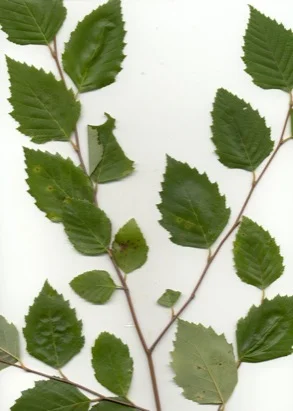
Ulmus parvifolia is widely regarded as the most adaptable of the elms for landscape use and is substantially more resistant to Dutch Elm Disease and elm leaf beetle than U. americana. The semi-evergreen to deciduous foliage is small (1-3 cm long) and glossy, providing fine texture. In Middle Tennessee, it handles the Zone 6b/7a transition well and tolerates both the clay soils common in the Columbia area and periodic summer drought. It is occasionally confused with Siberian Elm (U. pumila), an invasive species; Chinese Elm is distinguished by its exfoliating bark, later bloom time, and rounded leaf base. Canker diseases and scale insects can affect stressed specimens, but established trees in well-drained sites require minimal intervention. Not listed as invasive in Tennessee.
Quick Facts
- Common Name
- Chinese Elm
- Scientific Name
- Ulmus parvifolia
- Plant Type
- Tree
- Region
- Middle Tennessee