About Black Gum / Tupelo
Black Gum / Tupelo (Nyssa sylvatica)
Blackgum, Sour Gum, Black Tupelo
Full to part sun, wet to moderately dry moisture, tolerates clay and periodic flooding, pH 5.0-7.0.
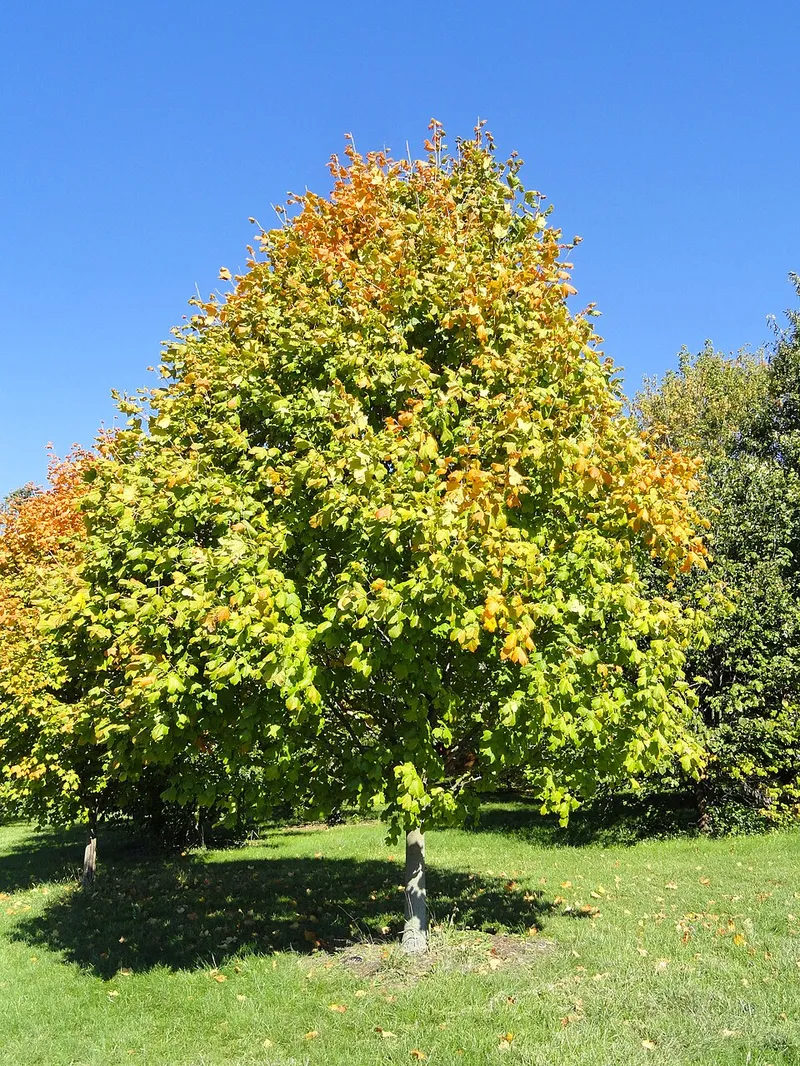
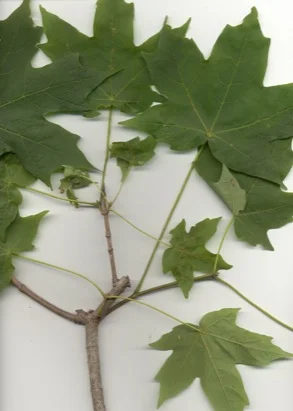
30-60 feet tall by 20-35 feet wide; dioecious; flowers small, white-green, appearing in spring with leaves; fruit is an ovoid drupe 1-1.5 cm, ripening dark blue-black in September-October. Growth rate slow to medium.
Native region: Statewide in Tennessee, common in moist woods, stream margins, and rocky upland slopes throughout Middle Tennessee.
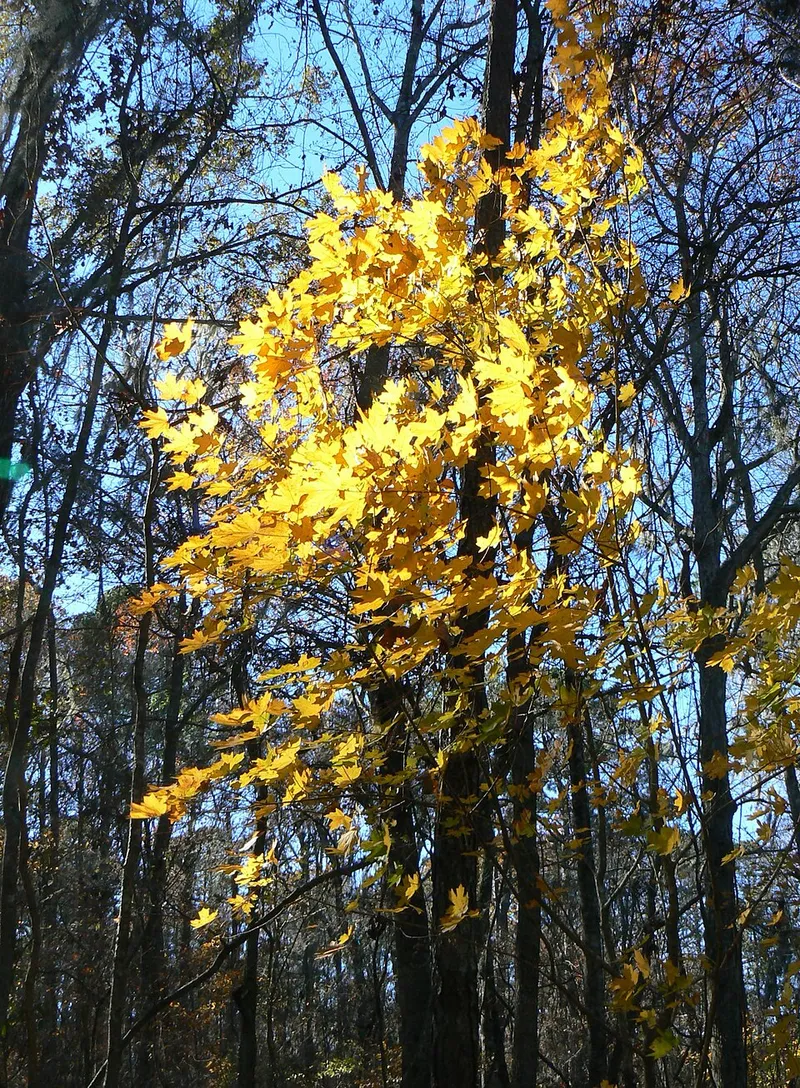
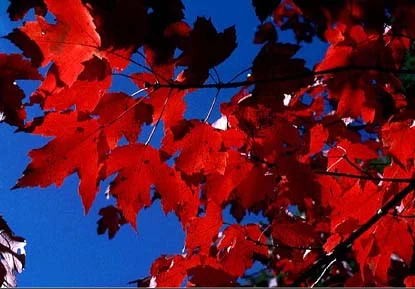
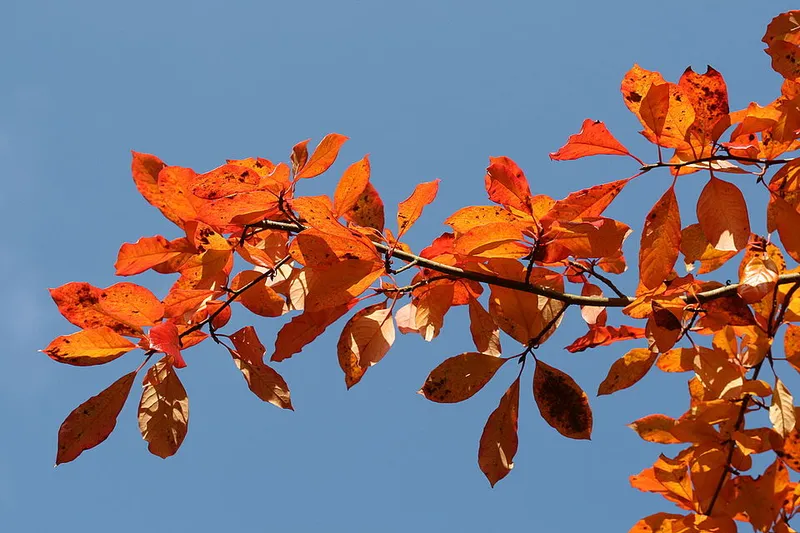
Nyssa sylvatica produces some of the most reliable and vivid fall color of any native Tennessee tree, scarlet to deep burgundy-red beginning in late September, often before surrounding canopy trees, and the display is consistent even in Middle Tennessee's variable fall weather. The deep, coarsely-ridged dark gray bark develops into a strongly blocky or alligator-like pattern on mature trunks, providing a useful winter identification character. Horizontal branching from a straight central leader creates a layered crown structure; lower branches should not be removed, as they are part of the natural form. UT Extension mulching guidelines are particularly important for Nyssa sylvatica on clay sites, as the taproot is intolerant of soil grade changes and compaction during construction. Fruit is tart but eagerly consumed by migrating songbirds, wood ducks, and wild turkeys in fall. One of the better native selections for moist low spots in Middle Tennessee landscapes where ash species once stood.
Quick Facts
- Common Name
- Black Gum / Tupelo
- Scientific Name
- Nyssa sylvatica
- Plant Type
- Tree
- Region
- Middle Tennessee