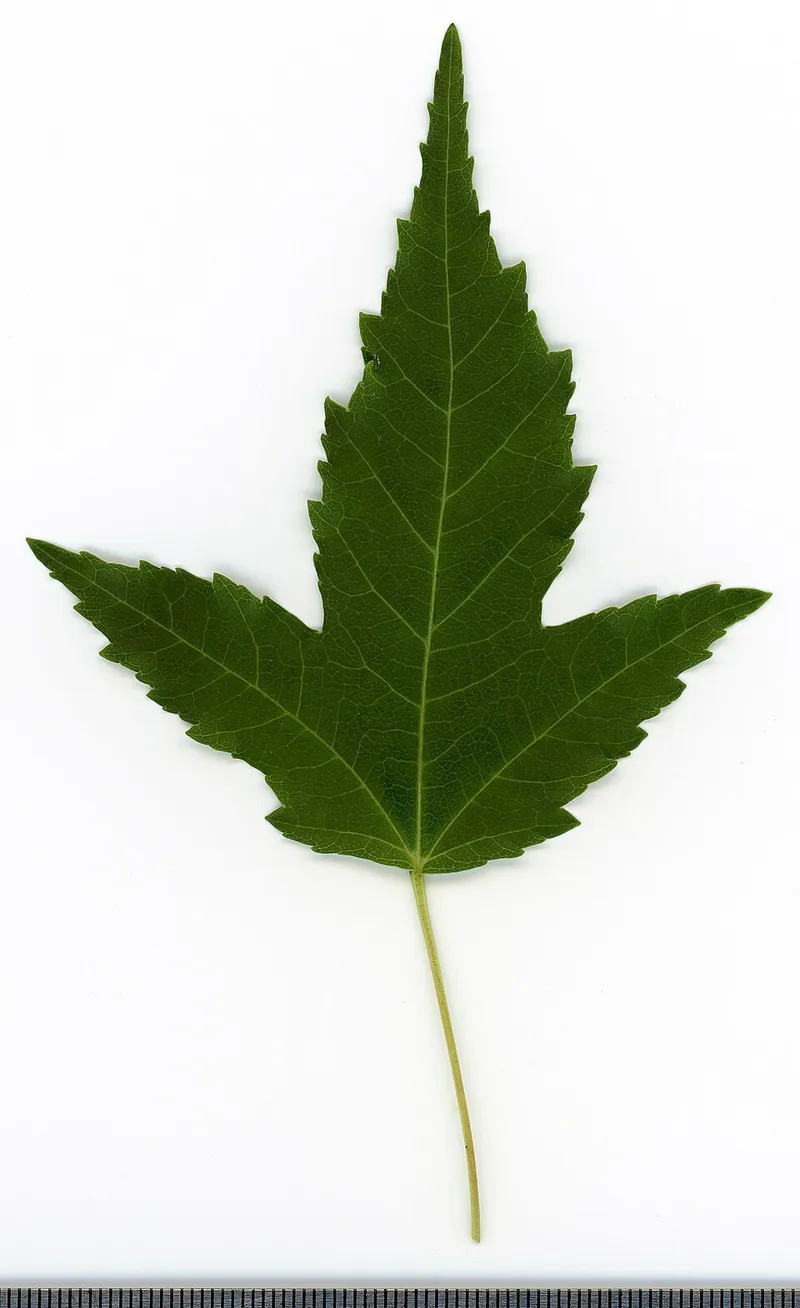
About Amur Maple
Amur Maple (Acer ginnala)
Full to part sun, medium to moderately dry moisture, tolerates clay and loam soils, pH 5.0-8.0.
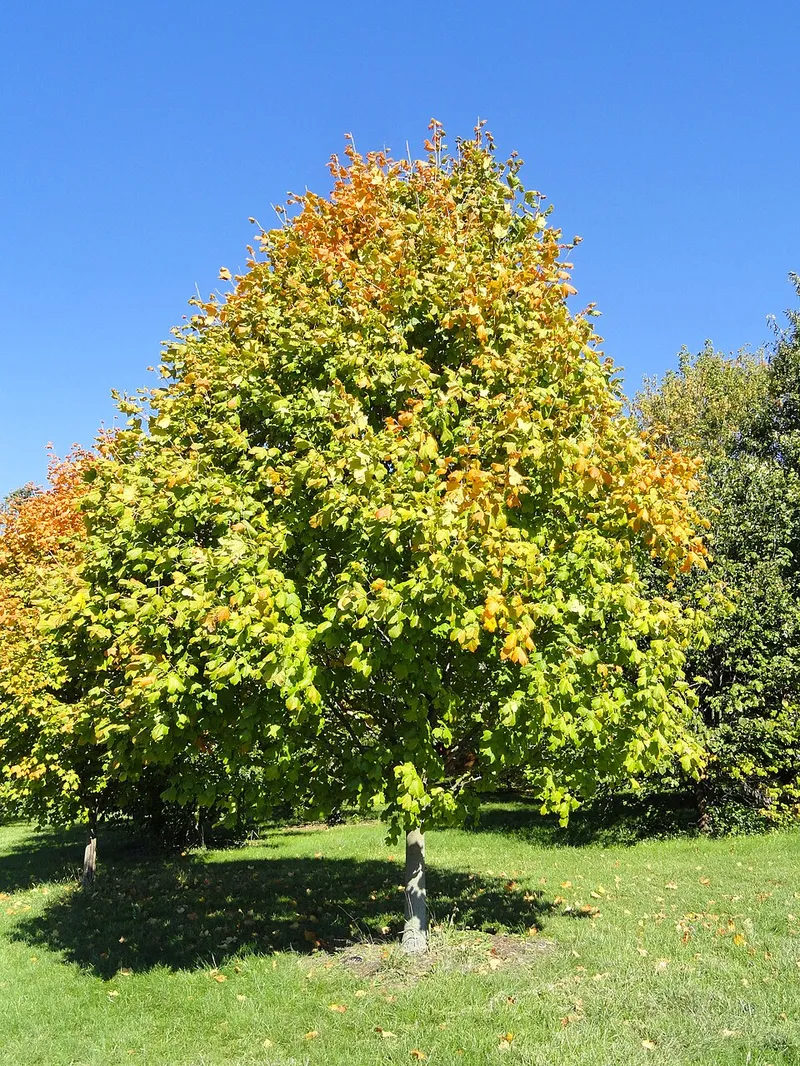
15-20 feet tall by 15-20 feet wide; small, fragrant white flowers in May; fruit is a paired samara with wings angled at 45-90 degrees, ripening red in late summer before turning tan. Growth rate medium.
Native region: Not native to Tennessee; ornamental introduction from northeastern Asia (Manchuria, Japan, China).
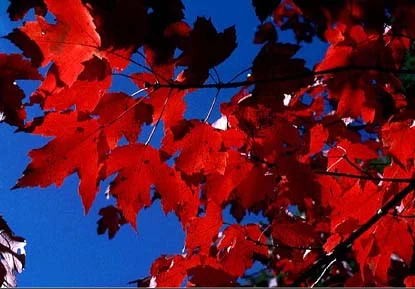
Acer ginnala is classified as a large shrub or small multi-stemmed tree. Its fragrant May flowers, showy red samaras, and reliable scarlet fall color made it a popular landscape plant for decades. However, it has been documented as invasive in parts of the upper Midwest and Northeast, spreading aggressively from bird-dispersed seed along woodland edges and disturbed areas. Tennessee is on the southern edge of its optimal range, and while it has not been formally listed as invasive in the state, its seeding behavior warrants monitoring near natural areas. In Middle Tennessee, summer heat and humidity can cause leaf scorch on exposed sites; siting in part afternoon shade reduces this stress. Cold hardiness is excellent, it is more reliably winter-hardy than many ornamental maples used in the region.
Quick Facts
- Common Name
- Amur Maple
- Scientific Name
- Acer ginnala
- Plant Type
- Tree
- Region
- Middle Tennessee