About American Smoke Tree
American Smoke Tree (Cotinus obovatus)
Chittamwood
Full sun, medium to dry moisture, drought-tolerant once established, prefers well-drained rocky or loamy soils, pH 5.5-8.0.
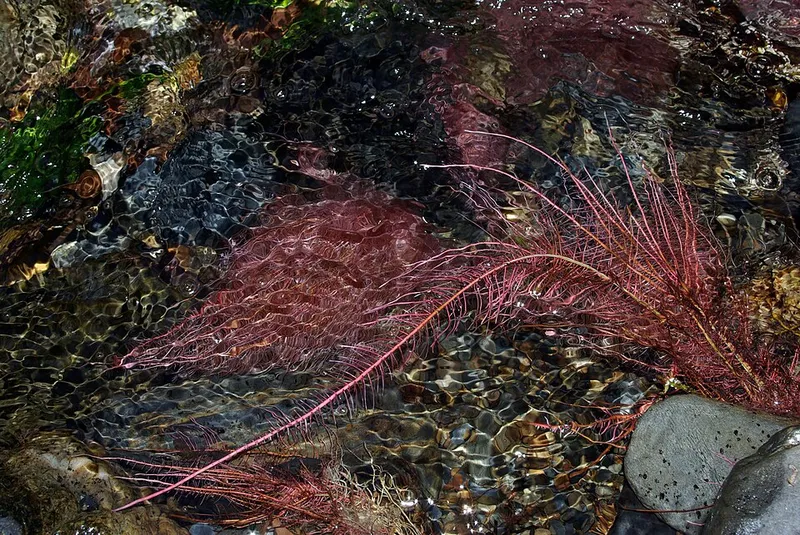
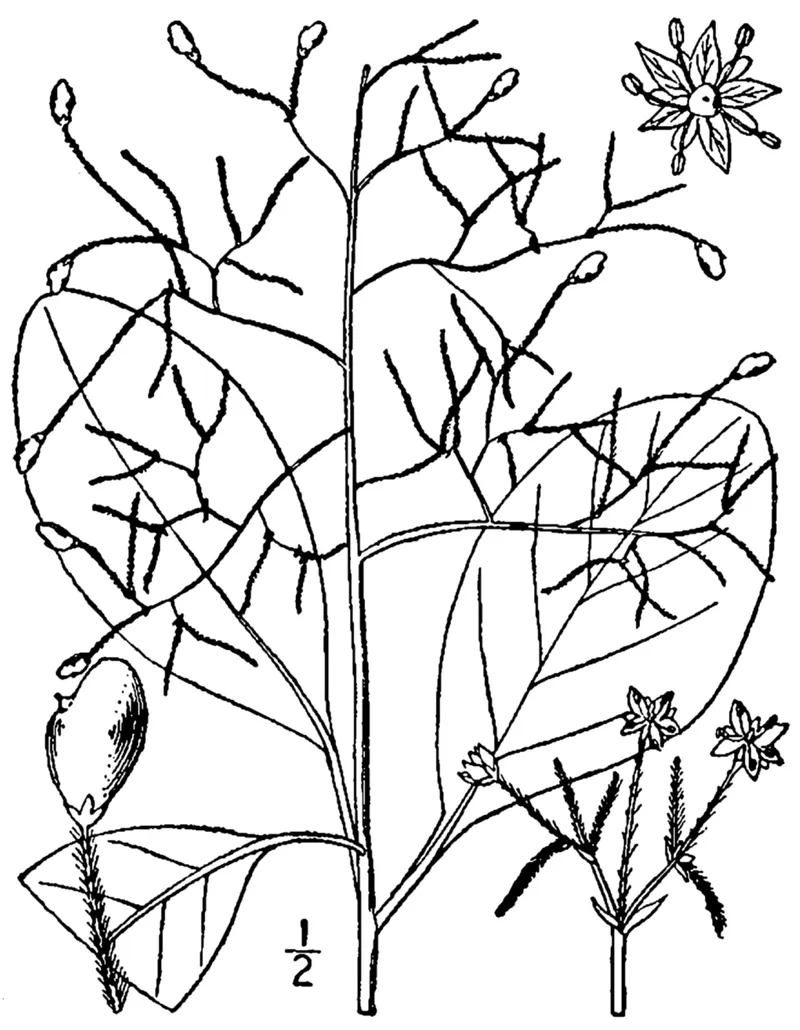
20-30 feet tall by 15-20 feet wide; inconspicuous flowers in large, airy, plumed panicles in May-June, the feathery pink to gray fruiting stalks persist and give the "smoke" effect through summer; fruit is a small, dry drupe in fall. Growth rate slow to medium.
Native region: Limited and disjunct in Tennessee, primarily on limestone glades and cedar barrens in Middle Tennessee; one of the rarest native trees in the state.
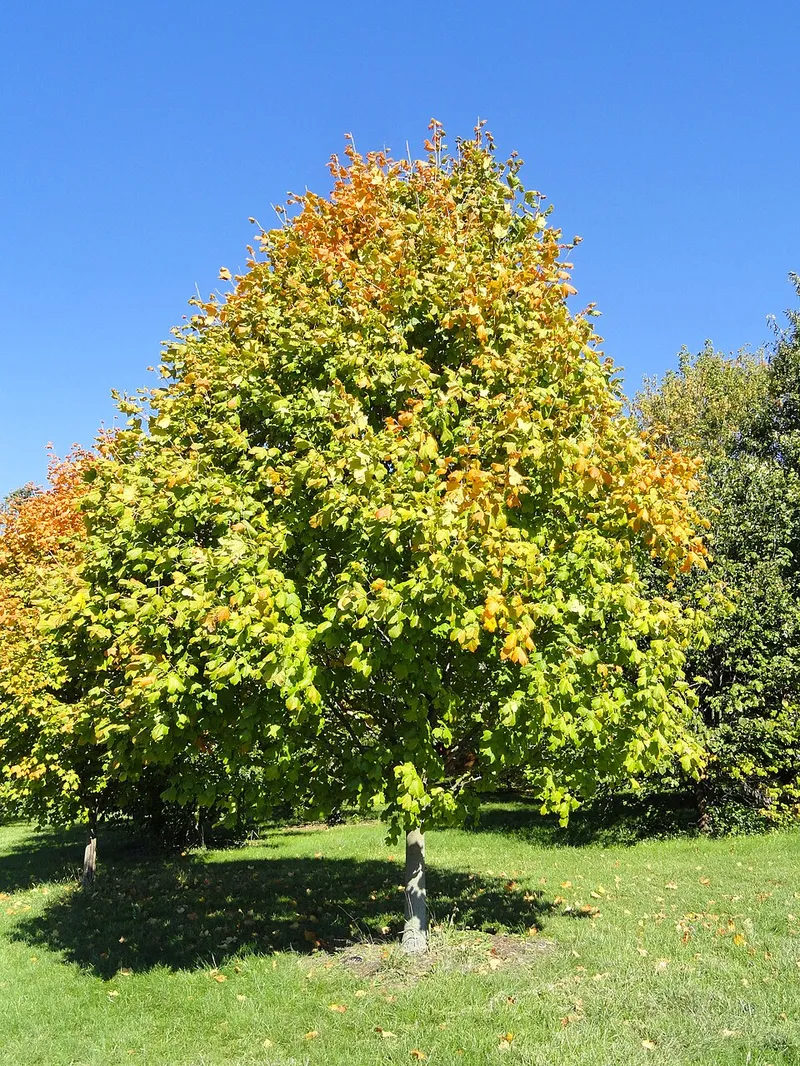
Cotinus obovatus is the North American counterpart to the widely planted European smoke tree (C. coggygria) and is considered superior in fall color, producing exceptional orange, red, and purple foliage from late September through October. It is native to thin, rocky alkaline soils over limestone, precisely the substrate found on many cedar glade sites in Maury and surrounding Middle Tennessee counties. In landscape use it requires excellent drainage; heavy clay soils without amendment cause root rot and rapid decline. Deer resistance is good relative to most small ornamental trees in the region. The tree's rarity in the wild makes it a conservation-worthy choice for appropriate rocky or well-drained sites. Susceptible to Verticillium wilt in poorly drained sites; no serious insect pests reported.
Quick Facts
- Common Name
- American Smoke Tree
- Scientific Name
- Cotinus obovatus
- Plant Type
- Tree
- Region
- Middle Tennessee