About American Hornbeam
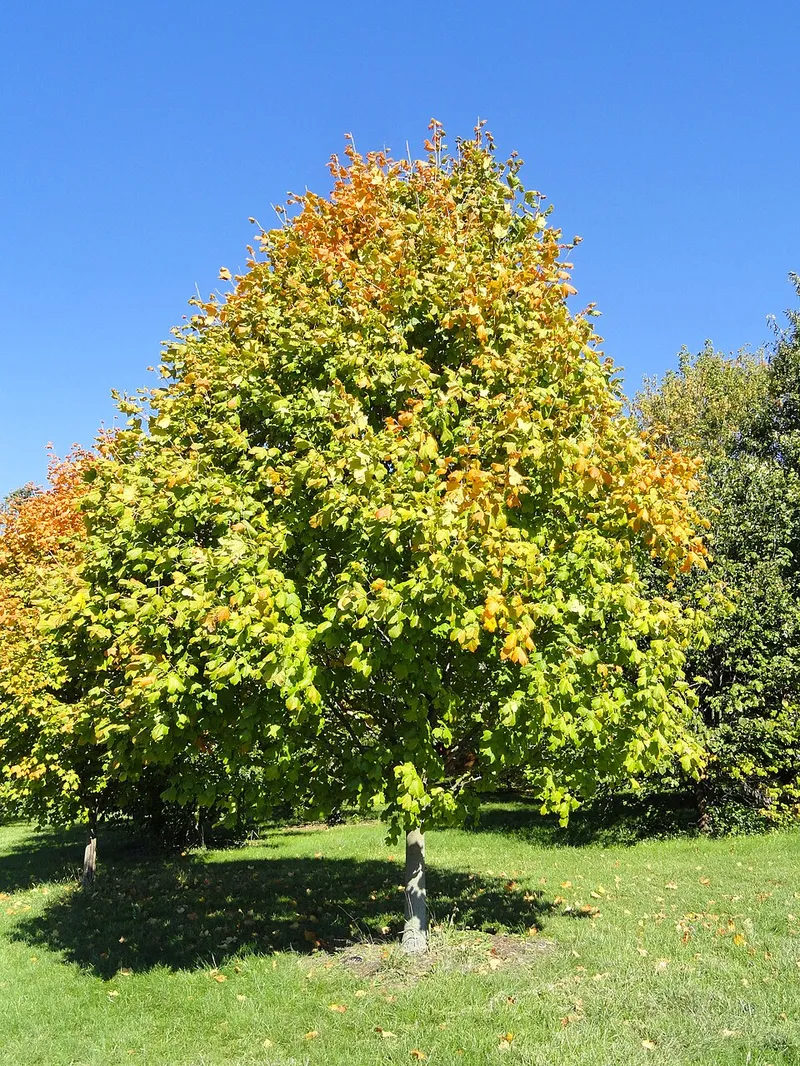
American Hornbeam (Carpinus caroliniana)
Musclewood, Blue Beech, Ironwood
Sun to light shade; medium to moderately moist moisture; tolerates clay, loam, and wet soils; pH 4.5-7.0.
20-35 feet tall by 20-30 feet wide; monoecious, male catkins pendulous in early spring, female catkins with leafy bracts; fruit is a ribbed nutlet attached to a 3-lobed bract in drooping clusters, ripening September-October. Growth rate slow.
Native region: Statewide in Tennessee, frequent along stream banks, ravine bottoms, and moist forest understories; a characteristic component of Middle Tennessee floodplain woodland.
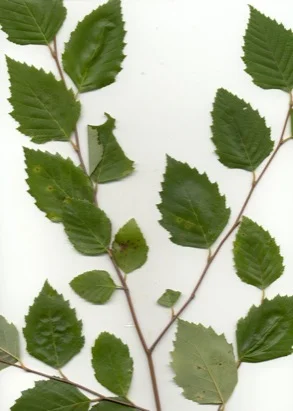
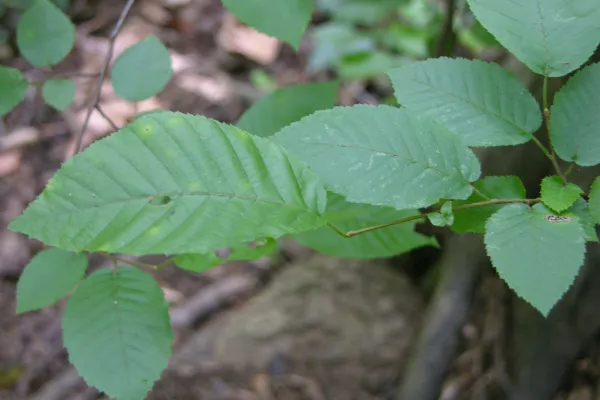
Carpinus caroliniana is identified by its smooth, sinewy gray bark that resembles flexed muscle, the origin of "musclewood." It is the most shade-tolerant native tree in the East and one of the few that thrives in the wet, occasionally flooded bottomlands common along Middle Tennessee creek corridors. The wood is extremely hard and dense (denser than hickory by weight), historically used for tool handles and wedges. In landscape use, it functions best as a multi-stemmed understory tree or woodland edge plant where it receives filtered light and consistent soil moisture. No serious insect or disease problems affect established specimens. Provides important winter food for bobwhite quail, wood ducks, and turkeys. Transplants poorly due to coarse root system; use container-grown stock and plant in spring.
Quick Facts
- Common Name
- American Hornbeam
- Scientific Name
- Carpinus caroliniana
- Plant Type
- Tree
- Region
- Middle Tennessee