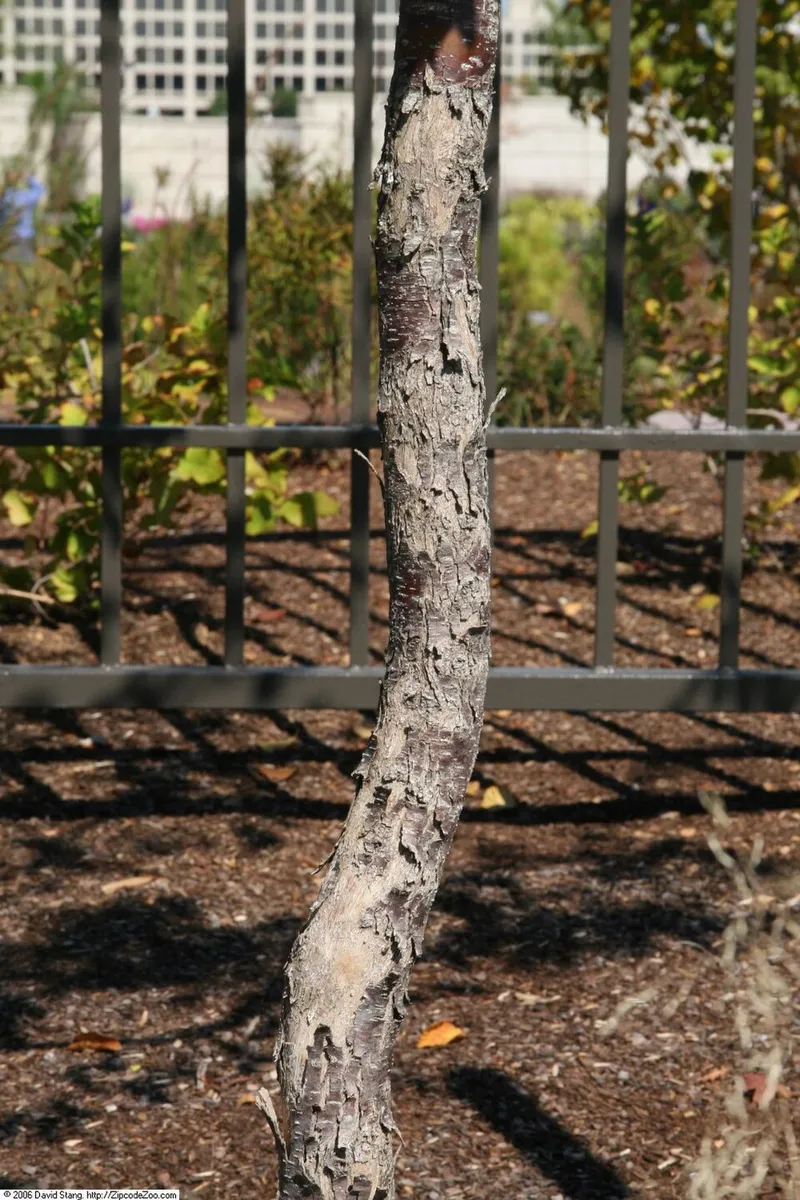
About American Hophornbeam
American Hophornbeam (Ostrya virginiana)
Ironwood, Eastern Hophornbeam
Full sun to light shade, medium to dry moisture, drought-tolerant once established, tolerates rocky and clay soils, pH 4.5-7.5.
25-40 feet tall by 15-30 feet wide; male catkins pendulous in early spring, female catkins developing into hop-like papery clusters of nutlets ripening September-October. Growth rate slow.
Native region: Statewide in Tennessee, most frequent on dry upland slopes, ridges, and rocky bluffs; a consistent component of Middle Tennessee's upland hardwood forest understory.
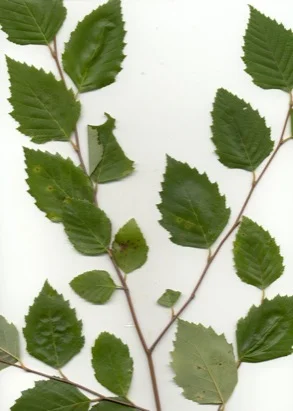
Ostrya virginiana takes its common name from the papery, bladder-like fruiting bracts that resemble hops (Humulus lupulus). The wood is among the densest and hardest of any native North American tree, historically used for tool handles and mallets. Despite its extreme wood hardness, the tree is fine-textured and refined in landscape use, with dark green summer foliage, yellow fall color, and pendulous male catkins emerging in late winter. Hophornbeam is one of the most drought-tolerant native understory trees in Tennessee and handles the dry, rocky conditions of Middle Tennessee's cedar glade margins and upland ridge tops where most understory species fail. No serious insect or disease problems affect established specimens. Slow growth is its primary limitation for landscape use; transplants best from small container stock.
Quick Facts
- Common Name
- American Hophornbeam
- Scientific Name
- Ostrya virginiana
- Plant Type
- Tree
- Region
- Middle Tennessee