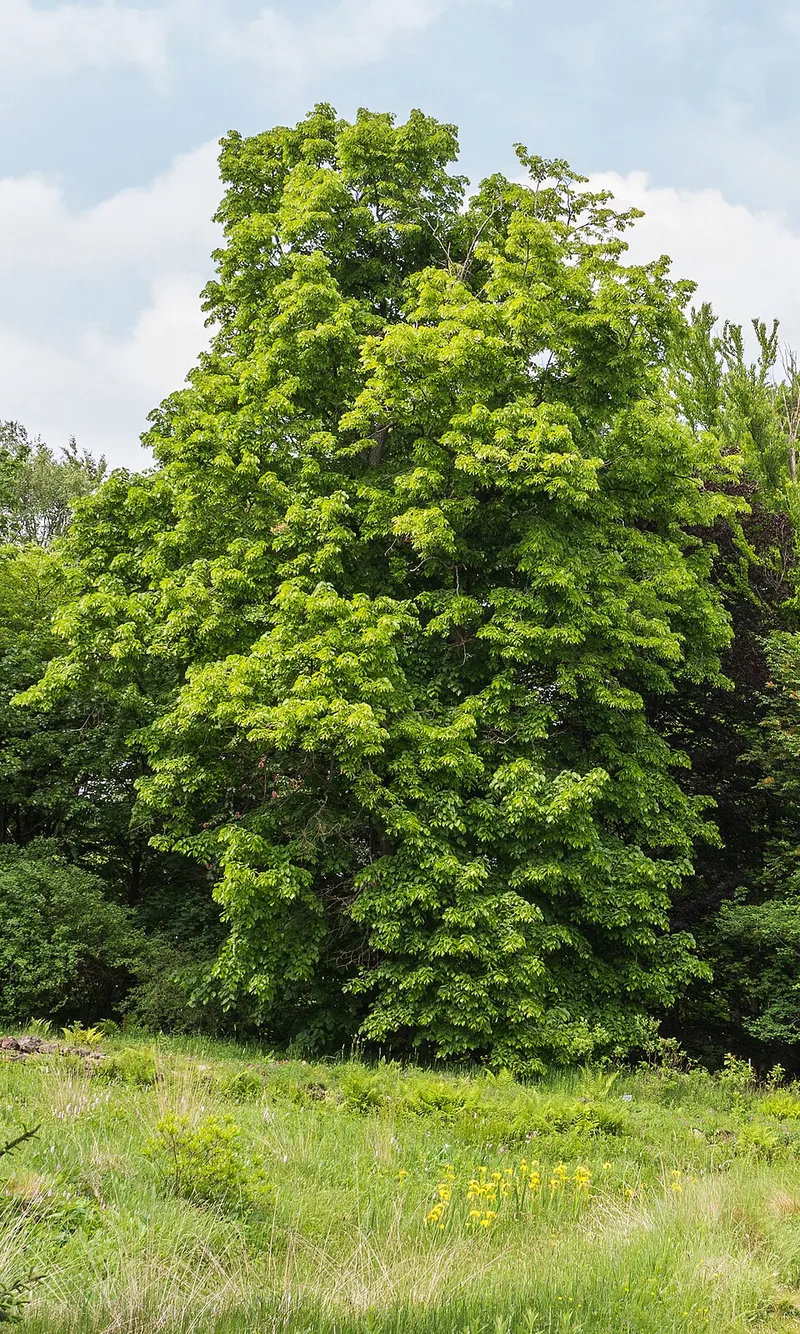
About American Basswood
American Basswood (Tilia americana)
American Linden, White Basswood
Full to part sun, moderately moist to medium moisture, tolerates loam and clay soils, pH 5.5-7.5.
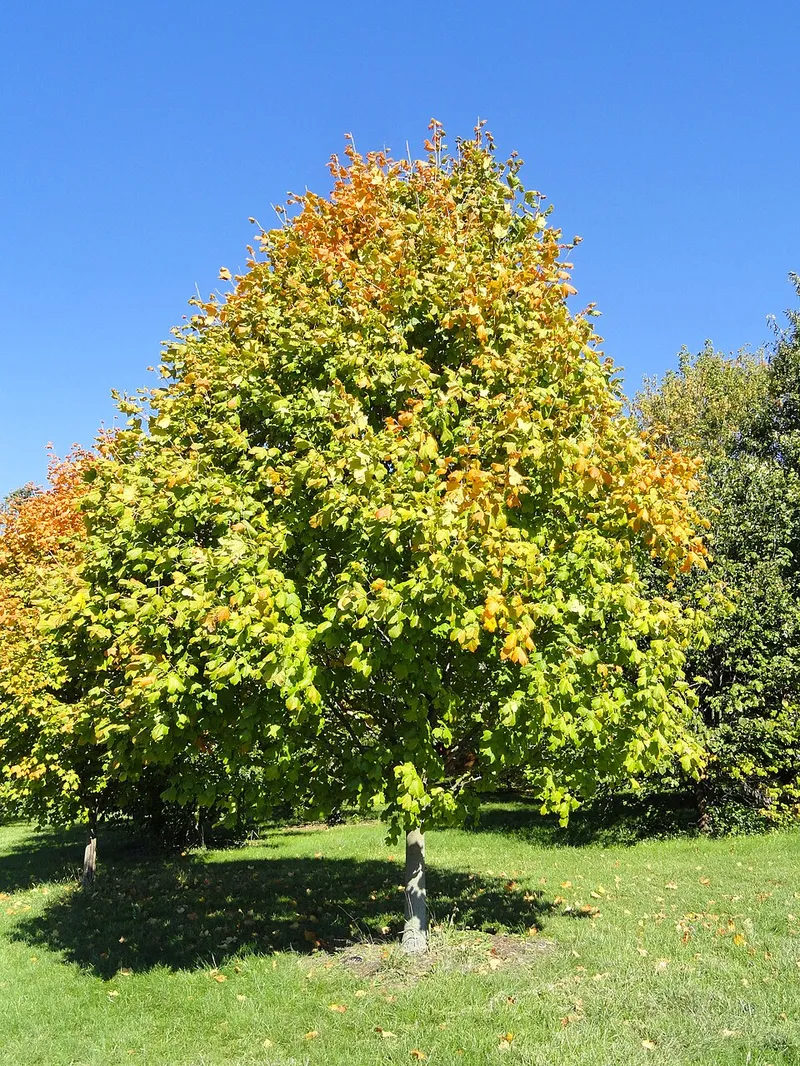
60-80 feet tall by 30-50 feet wide; small, fragrant, pale yellow flowers in pendant cymes in June-July; fruit is a small round nutlet attached to a strap-like bract, dispersed by wind in late summer. Growth rate medium to fast.
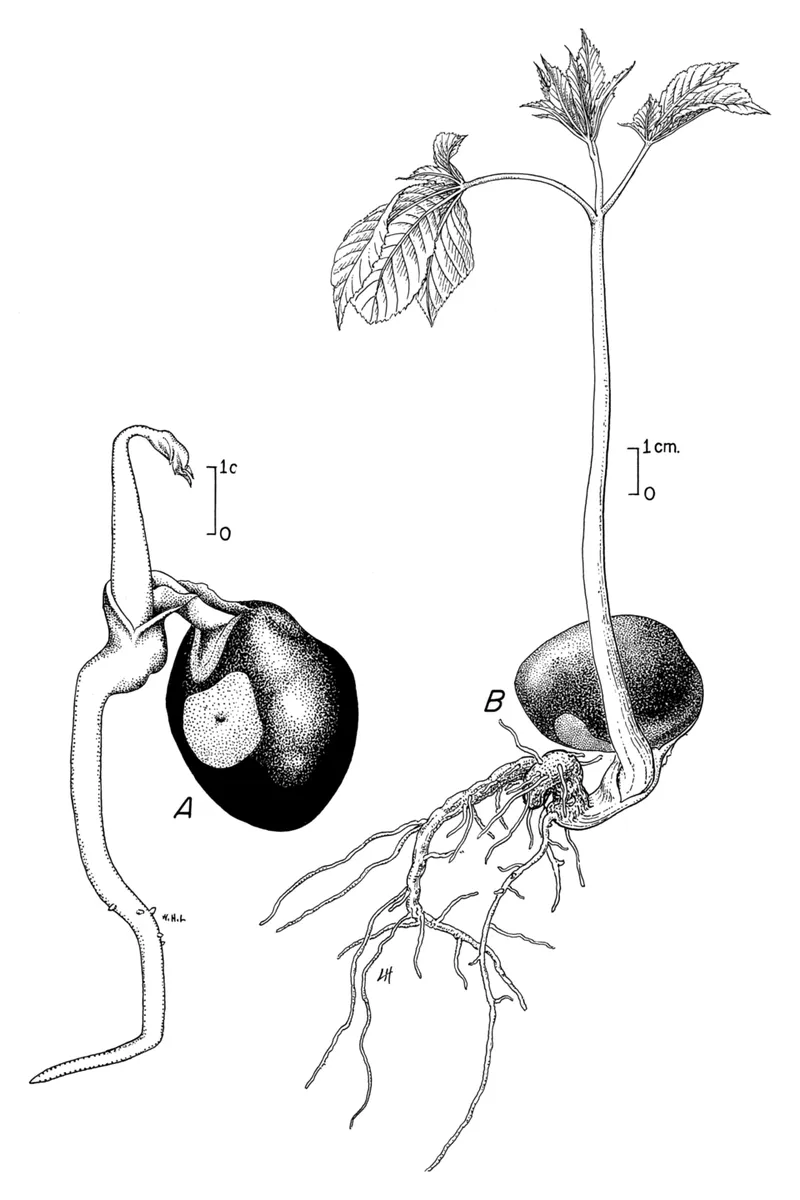
Seed germination requires cold stratification (60-90 days); propagation also succeeds from softwood cuttings.
Native region: Statewide in Tennessee, concentrated in moist coves, rich bottomlands, and lower slopes; frequent in Middle Tennessee.
Basswood is one of the principal nectar sources for honeybees and native bees in eastern North America, a single mature tree in bloom can support large foraging populations. The inner bark (bast) is fibrous and has been used for cordage. In Middle Tennessee's clay-heavy soils, basswood establishes best with mulching out to the dripline to retain soil moisture and moderate temperature. Japanese beetles (Popillia japonica) and basswood leafminers can cause aesthetic defoliation but rarely threaten established trees; stressed trees are more susceptible to canker diseases. Avoid planting in low-lying areas with poor drainage, standing water after spring rains promotes root rot.
Quick Facts
- Common Name
- American Basswood
- Scientific Name
- Tilia americana
- Plant Type
- Tree
- Region
- Middle Tennessee