About Yaupon Holly
Yaupon Holly (Ilex vomitoria)
Cassine, Yaupon
Full sun to full shade, wet to dry moisture range, exceptional adaptability; tolerates clay, sand, compaction, salt spray, and periodic flooding; pH 4.5-8.0.
10-25 feet in species form; compact cultivars ('Nana', 'Schillings Dwarf') stay 3-5 feet; blooms April-May with small white flowers; red or yellow berries on female plants ripen October and persist through winter; dioecious, one male pollenizer serves multiple females.
Propagation: semi-hardwood cuttings root easily; also spreads by root sprouts.
Native region: Native to Tennessee; primarily western and central portions of the state, more scattered in the eastern counties.
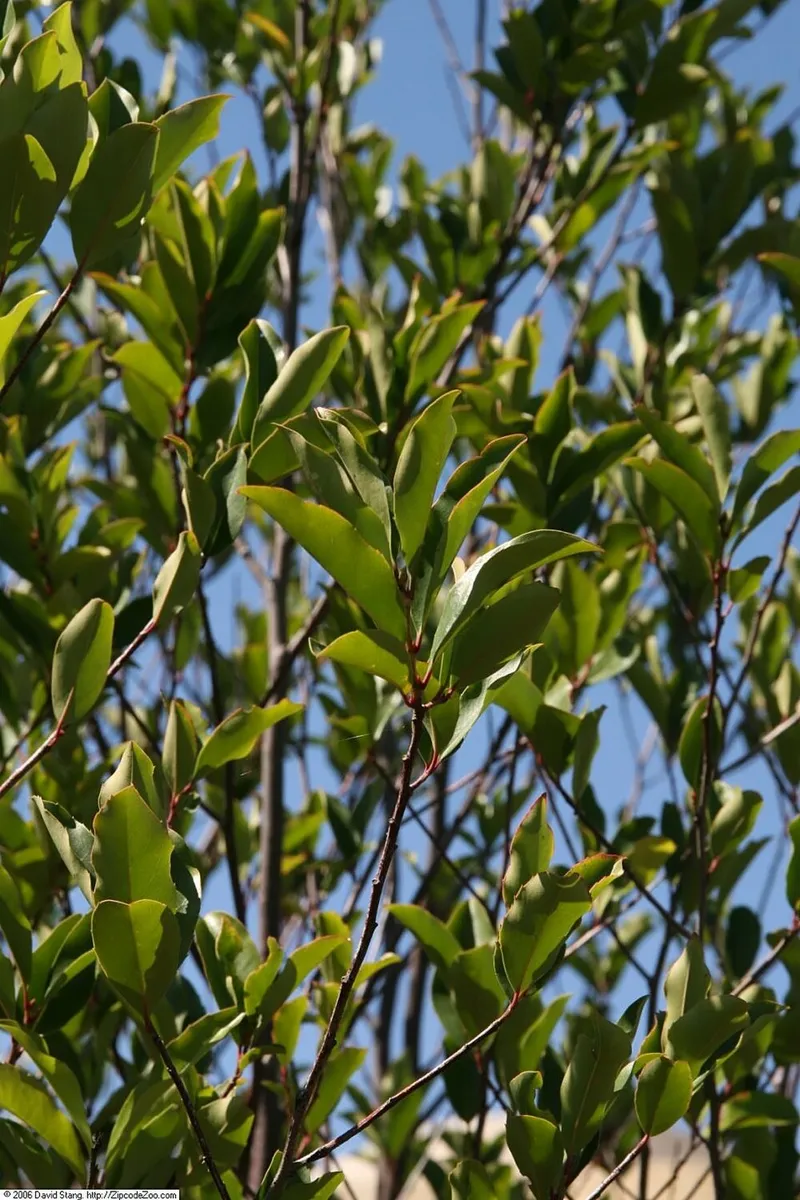
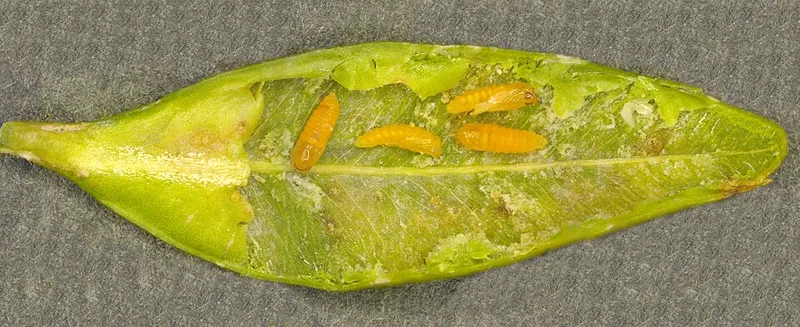
Yaupon holly is arguably the most site-adaptable native evergreen shrub for Tennessee landscapes. It tolerates the compacted clay hardpan found in many Columbia and Franklin subdivision lots better than any other broadleaf evergreen, no amendment required for establishment. The dense branching and persistent berries provide year-round wildlife habitat; mockingbirds and cedar waxwings depend heavily on yaupon fruit through January and February when other food sources are depleted. Scale insects and leaf miners are occasional nuisances but rarely threaten plant health on established specimens. Compact cultivars work as formal hedges and tolerate repeated shearing without the dieback problems that plague Ilex crenata in wet years. The species name references its historical use in ceremonial drinks, leaves contain caffeine, but is no reflection on ornamental performance.
Quick Facts
- Common Name
- Yaupon Holly
- Scientific Name
- Ilex vomitoria
- Plant Type
- Shrub
- Region
- Middle Tennessee