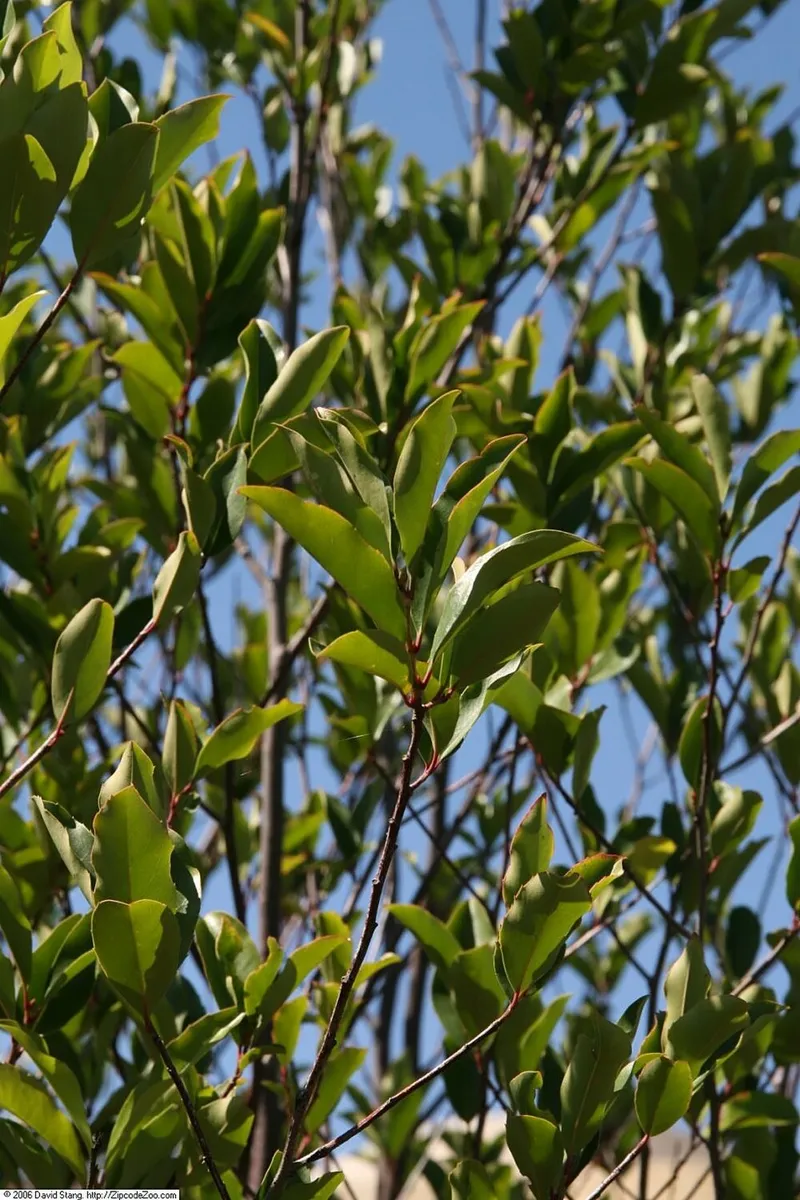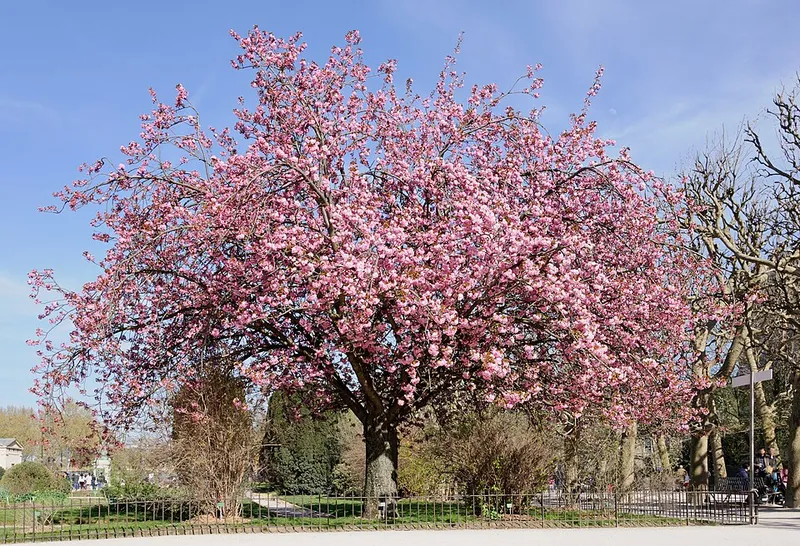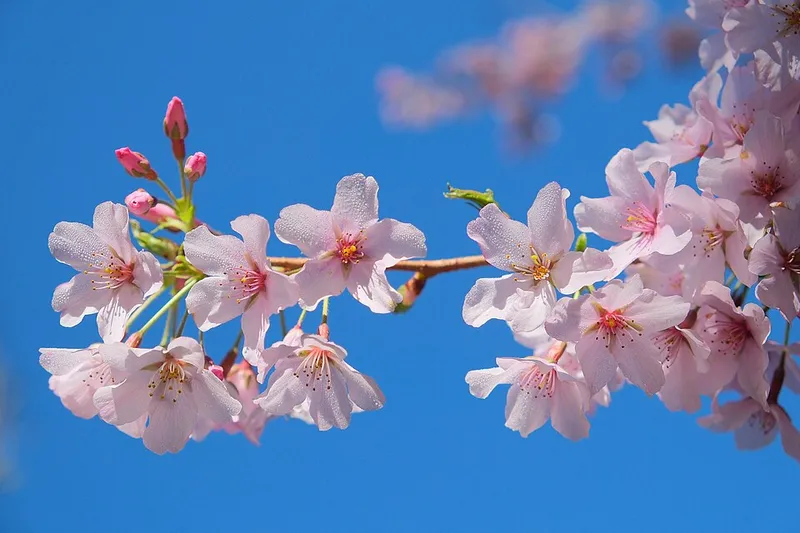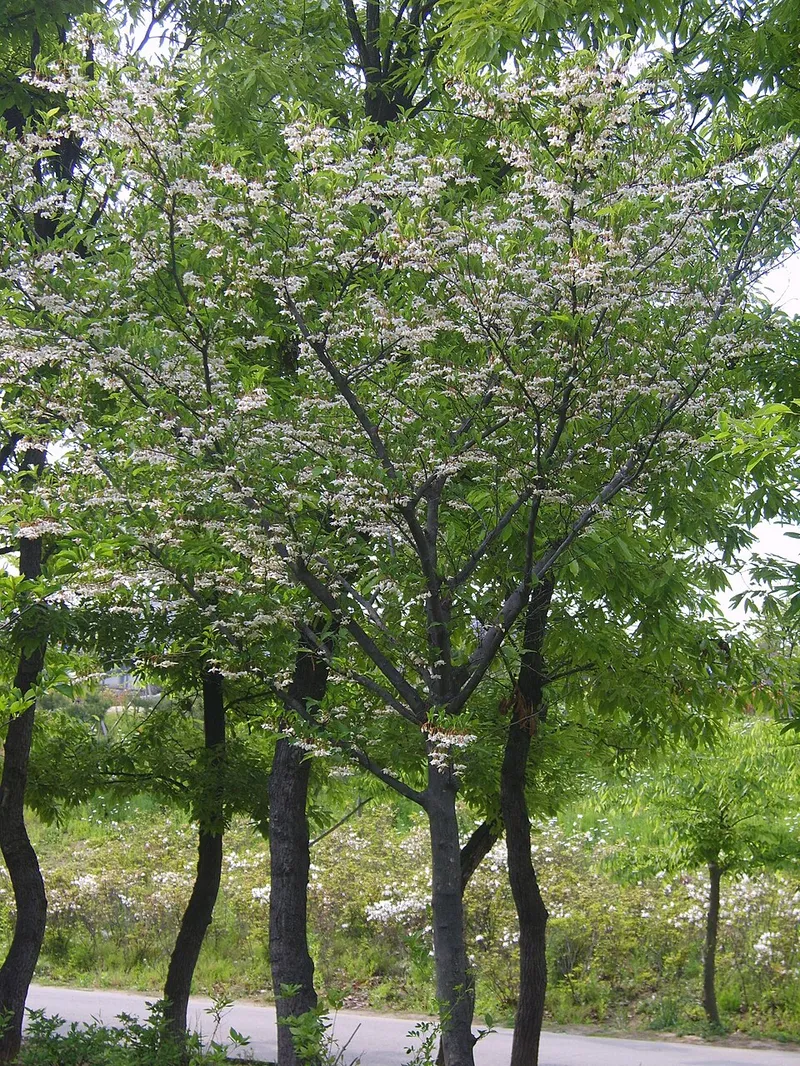
About Camellia
Camellia (Camellia spp.)
Japanese Camellia, Sasanqua Camellia
Part shade to filtered sun, moderately moist and well-drained, strongly prefers acidic soil pH 5.5-6.5; struggles on alkaline or compacted clay without amendment.
6-15 feet tall and 6-10 feet wide depending on species; C. japonica blooms late winter to early spring (January-March) with red, pink, or white flowers 3-5 inches across; C. sasanqua blooms fall (October-December) with smaller, more fragrant flowers; spreads by seed and vegetative cuttings.
Propagation: semi-hardwood cuttings in July-August; layer in early spring.
Native region: Not native to Tennessee; ornamental introduction from eastern Asia.
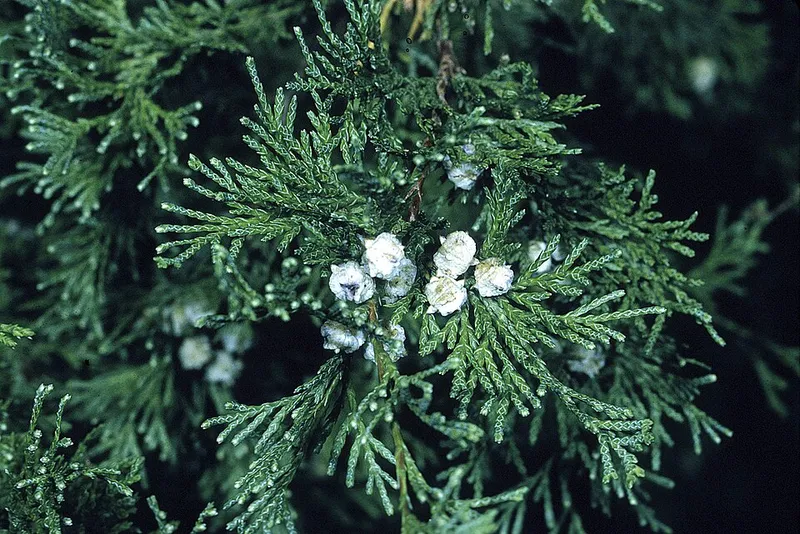
Camellias perform reliably in Zone 7a across Middle Tennessee when sited out of morning sun, which accelerates thawing on frozen buds and causes browning. A north- or east-facing foundation planting with overhead deciduous canopy provides ideal conditions. The heavy clay soils of the Central Basin require raised beds or generous organic amendment to maintain the drainage and acidity camellias demand, failure to address pH above 6.5 produces interveinal chlorosis within one season. Camellia japonica cultivars with late bloom dates (April) frequently escape freeze damage better than early-blooming selections. Tea scale (Fiorinia theae) is the most economically significant pest on camellias in Tennessee; look for white waxy encrustation on leaf undersides and treat with horticultural oil in spring.
Quick Facts
- Common Name
- Camellia
- Scientific Name
- Camellia spp.
- Plant Type
- Shrub
- Region
- Middle Tennessee