About Japanese Holly
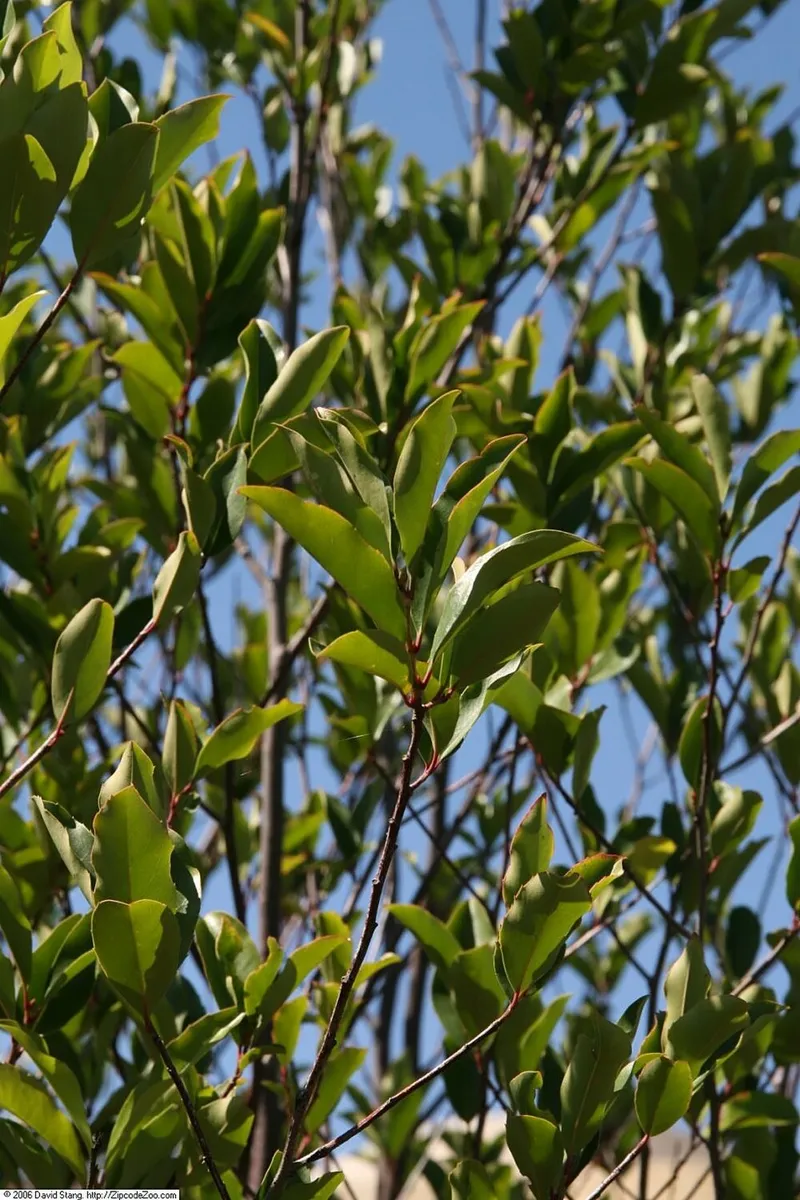
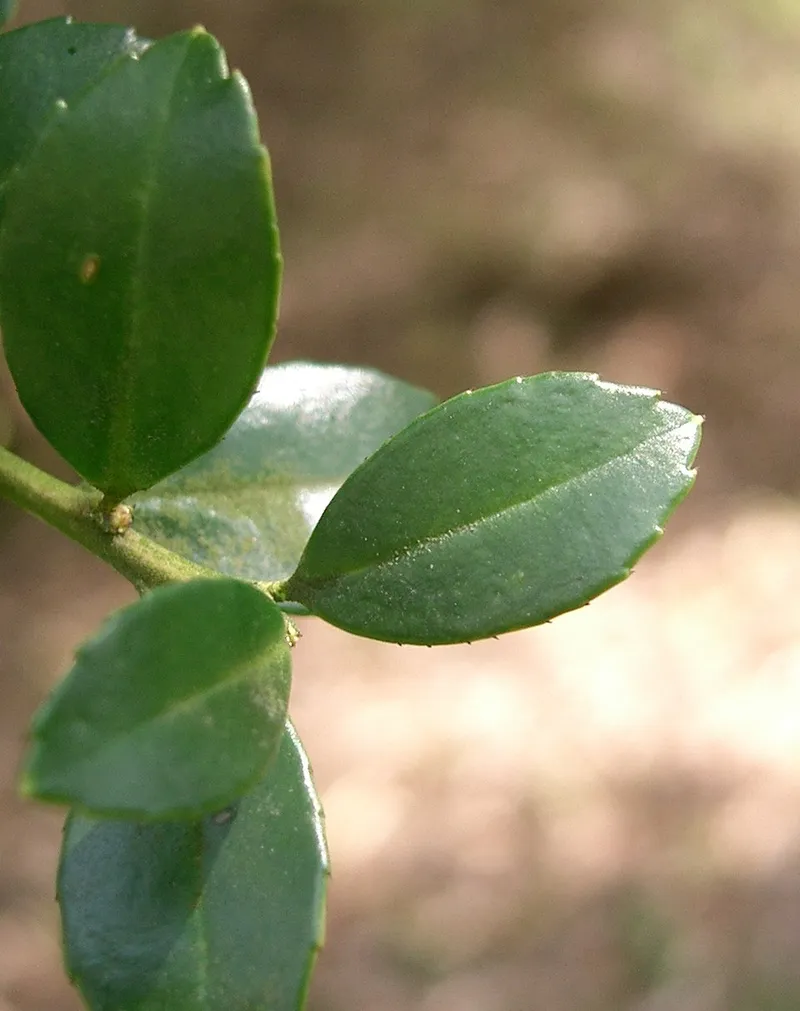
Japanese Holly (Ilex crenata)
Box-leaved Holly
Full to part sun, moderately moist and well-drained, prefers acidic soils pH 5.5-6.0; notably intolerant of wet feet and alkaline conditions.
3-10 feet tall depending on cultivar; compact selections ('Compacta', 'Helleri', 'Sky Pencil') widely used as boxwood substitutes; flowers inconspicuous, May; small black berries in fall; dioecious, though berries are rarely the ornamental focus.
Propagation: semi-hardwood cuttings in late summer root readily under mist.
Native region: Not native to Tennessee; ornamental introduction from Japan, Korea, and China.
Japanese holly has largely replaced boxwood (Buxus spp.) in Middle Tennessee commercial plantings because it lacks susceptibility to boxwood blight (Calonectria pseudonaviculata) and boxwood leafminer, but it carries its own failure modes. Black root rot caused by Thielaviopsis basicola is the most common cause of sudden decline, particularly in compacted or clay-heavy soils with periodic saturation. Plants established in poorly drained sites show yellowing foliage and canopy dieback within 2-3 years, often misdiagnosed as drought stress. Volutella stem blight can spread through the canopy in wet spring conditions, prune affected wood back to clean tissue and avoid overhead irrigation. In Zone 7a, Ilex crenata performs best in raised beds or bermed sites with improved drainage.
Quick Facts
- Common Name
- Japanese Holly
- Scientific Name
- Ilex crenata
- Plant Type
- Shrub
- Region
- Middle Tennessee