About Aucuba
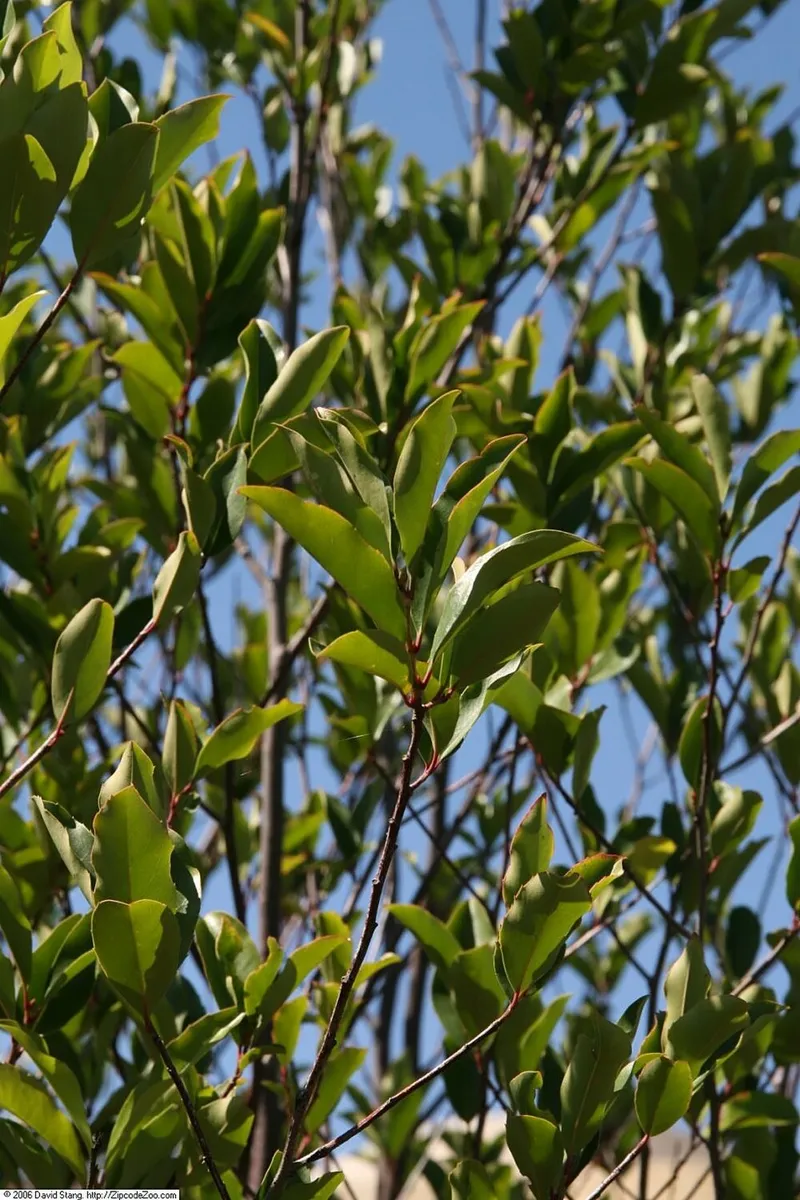
Aucuba (Aucuba japonica)
Japanese Aucuba, Gold Dust Plant, Spotted Laurel
Part to full shade, moderately moist to well-drained, tolerates clay soils, pH 5.5-7.0. Drought stress increases in full sun exposure.
6-10 feet tall and 5-9 feet wide; flowers inconspicuous, March-April; red berries on female plants persist through winter; dioecious, male and female plants required for fruit set.
Propagation: semi-hardwood cuttings in late summer root readily; division of rooted suckers in spring.
Native region: Not native to Tennessee; ornamental introduction from Japan and China.
Aucuba is one of the few shrubs that genuinely thrives under dense canopy shade and competes with surface tree roots, conditions that defeat most ornamentals in Middle Tennessee landscapes. The glossy, often yellow-splashed foliage of variegated cultivars (notably 'Crotonifolia' and 'Picturata') provides year-round structure in shaded beds where herbaceous plantings go dormant. Susceptibility to spider mites increases markedly during hot, dry summers in Zone 7a; overhead irrigation or high-humidity siting reduces pressure. Aucuba tolerates the heavy clay soils common across the Central Basin but will root-rot in poorly drained spots, amend or mound slightly at planting. Bagworms and scale insects are the primary insect threats on established plants.
Quick Facts
- Common Name
- Aucuba
- Scientific Name
- Aucuba japonica
- Plant Type
- Shrub
- Region
- Middle Tennessee