About Virginia Sweetspire
Virginia Sweetspire (Itea virginica)
Virginia Willow, Tassel-white
Full to part shade, wet to moderately moist, tolerates clay and periodic flooding; pH 4.5-6.5; moderate drought tolerance once established in adapted conditions.
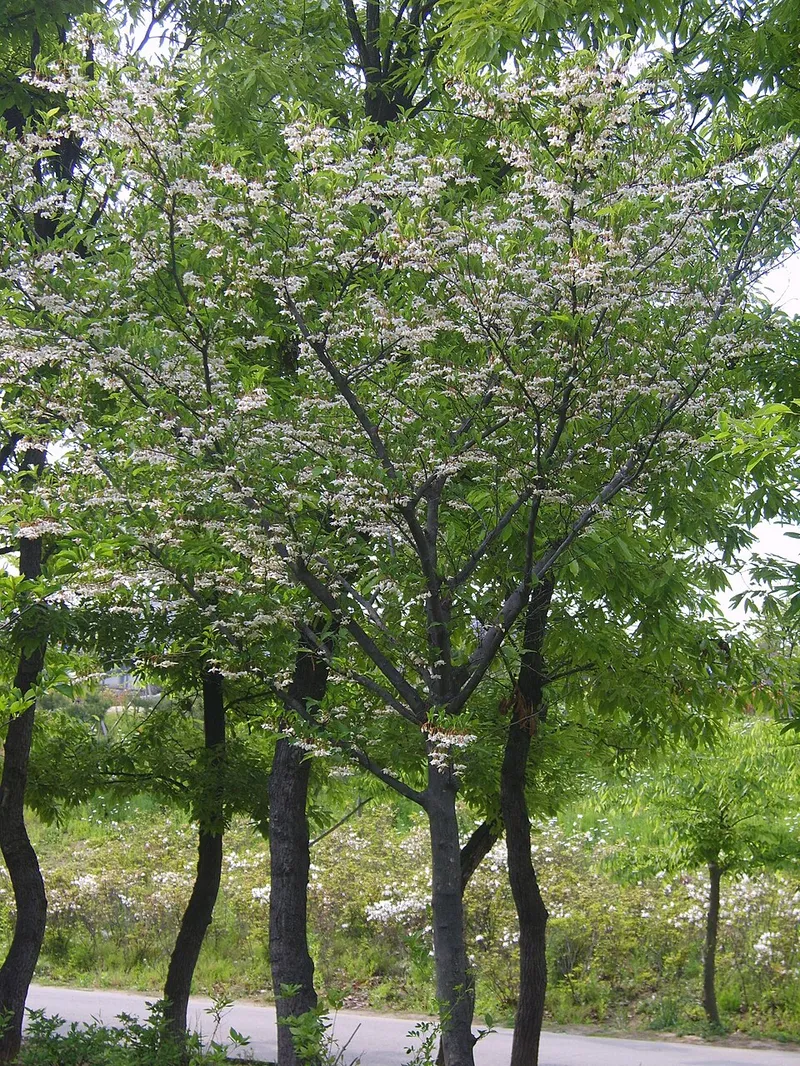
3-5 feet tall and 3-6 feet wide; blooms June-July with fragrant white flower racemes 3-6 inches long; deciduous; fall color ranges from crimson to burgundy and orange, among the most reliable native fall color shrubs; spreads by root suckers to form spreading colonies.
Propagation: softwood cuttings in early summer root readily; division in early spring.
Native region: Native to Tennessee; found statewide in moist low woodlands, stream margins, and seepage slopes; most common in Middle Tennessee bottomland thickets.
Virginia sweetspire is exceptionally adaptable across the full range of Middle Tennessee planting conditions, it performs in wet clay bottomlands, typical suburban clay-loam, and even moderate shade under deciduous canopy. The reliable scarlet-to-burgundy fall color distinguishes it from most other native shrubs in the 3-5 foot range. Compact cultivars 'Henry's Garnet' and 'Little Henry' offer improved fall color intensity and more restrained suckering than the species form; both are widely available in Tennessee nurseries. Deer browsing is occasional but not typically severe. No significant pest or disease problems affect established plants in Tennessee. The fragrant June bloom attracts native bees and small butterflies during a period that bridges spring and midsummer bloom gaps.
Quick Facts
- Common Name
- Virginia Sweetspire
- Scientific Name
- Ilex virginica
- Plant Type
- Shrub
- Region
- Middle Tennessee