About Itea
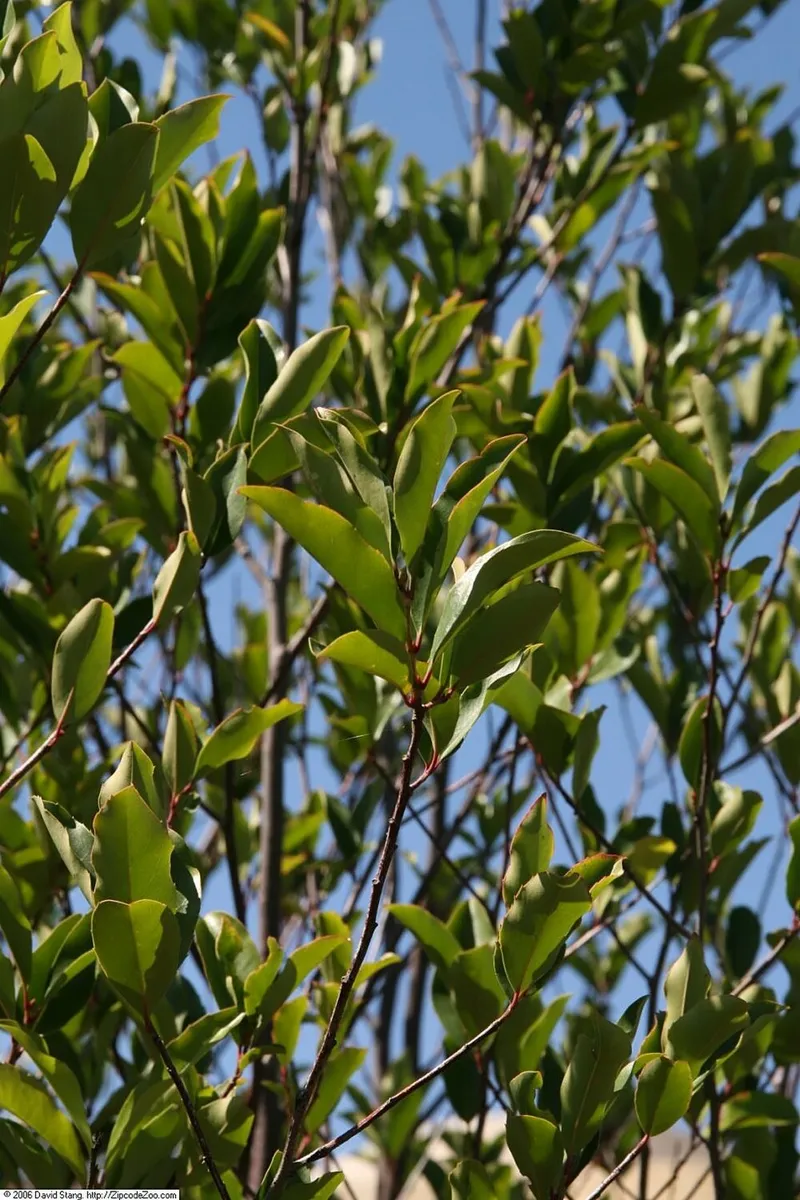
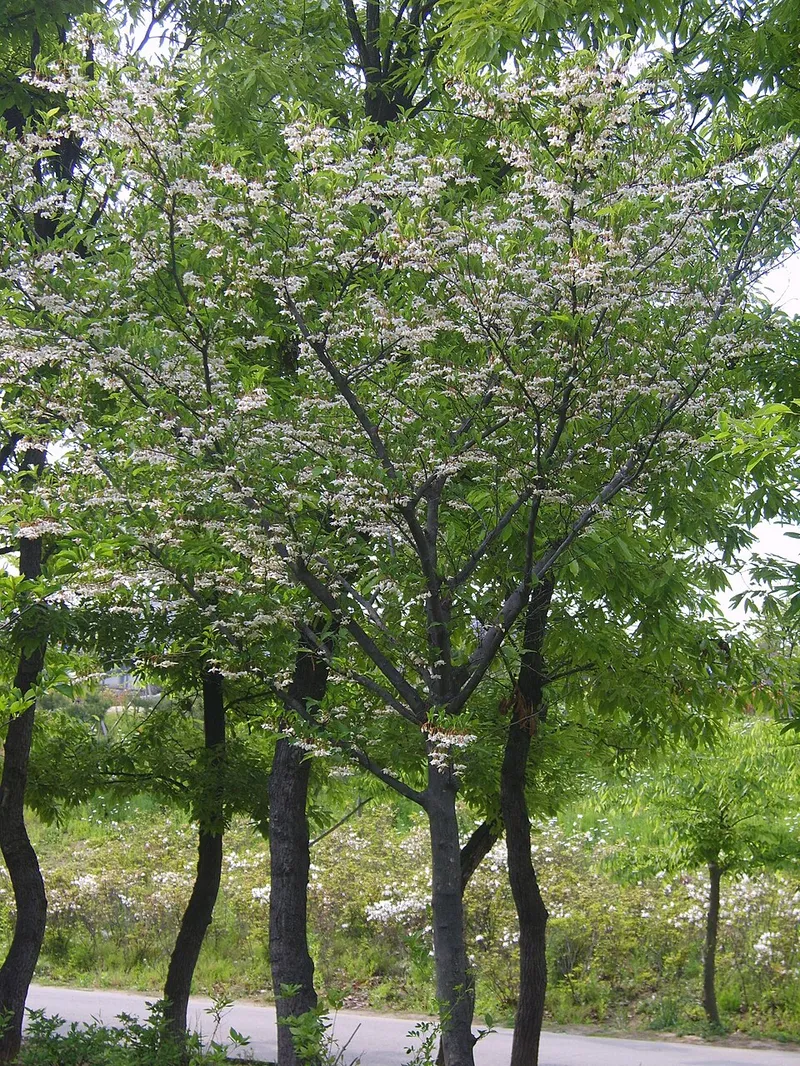
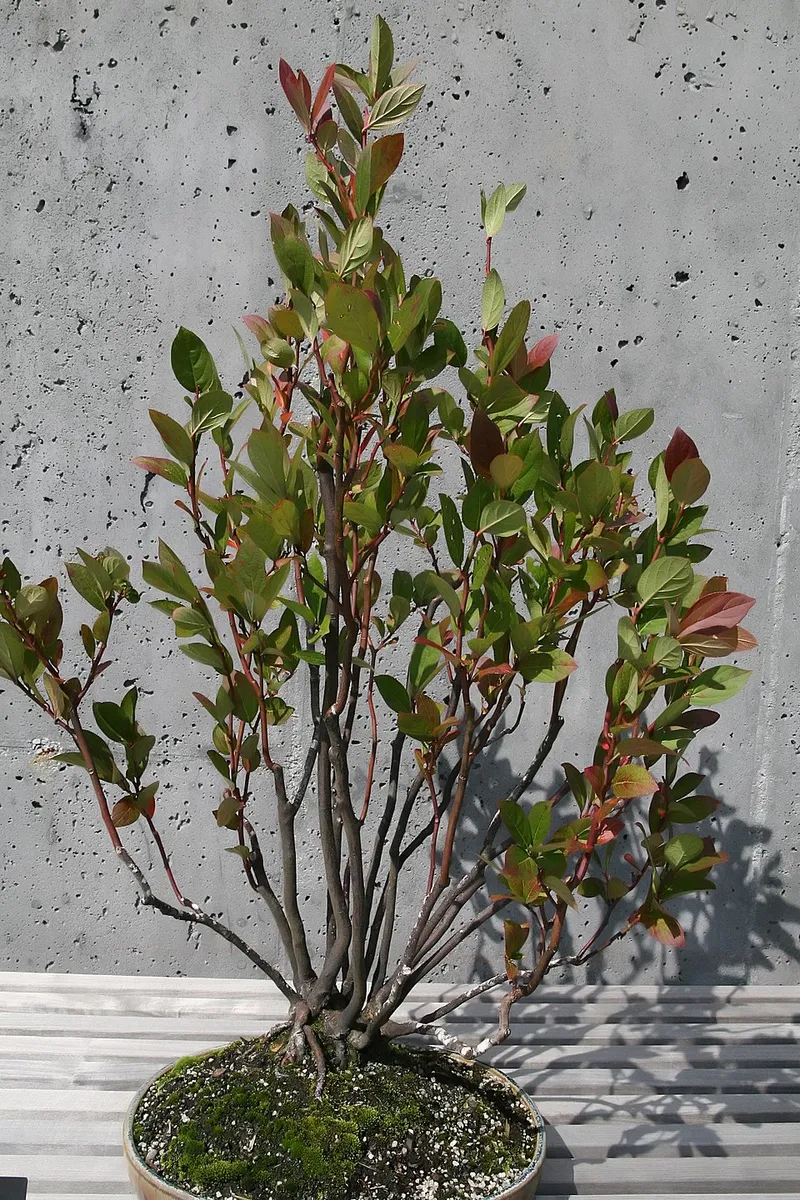
Itea (Itea virginica)
Virginia Sweetspire, Virginia Willow
Sun to light shade; moist to wet, tolerates periodic flooding; adapts to average well-drained soils once established; pH 5.5-6.5.
3-5 feet tall and 4-6 feet wide, suckering; blooms June-July with fragrant white racemes 3-6 inches long; fall color is outstanding, leaves turn red, burgundy, and orange in October-November, persisting later than most deciduous shrubs; spreads by suckering to form colonies.
Propagation: softwood cuttings in June-July root readily; divide root suckers in early spring.
Native region: Native to Tennessee; found in moist woodland edges, stream banks, and low-lying areas statewide, with concentration in Middle and West Tennessee.
I. virginica is one of the most underused native shrubs for Middle Tennessee landscapes, outperforming many commonly planted ornamentals in the region's challenging clay soils and humidity. The cultivar 'Henry's Garnet' produces particularly intense wine-red fall color and is more compact than the species. Unlike many native shrubs, itea tolerates both wet sites and drier amended beds, site versatility makes it useful for transitional areas between lawn and naturalized plantings. No significant pest or disease problems affect established plants in Tennessee. Fragrant June bloom attracts native bees; the late-persisting fall color is a reliable landscape asset through November in Zone 6b.
Quick Facts
- Common Name
- Itea
- Scientific Name
- Itea virginica
- Plant Type
- Shrub
- Region
- Middle Tennessee