About Japanese Privet
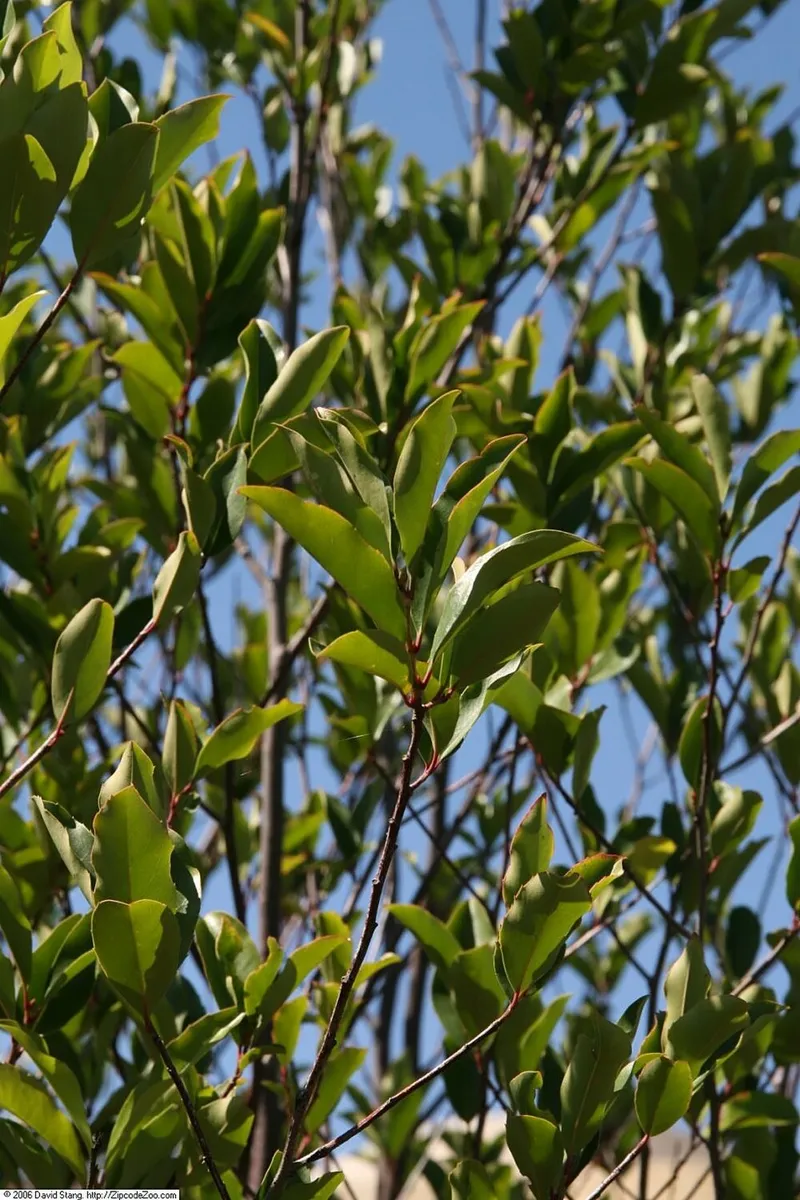
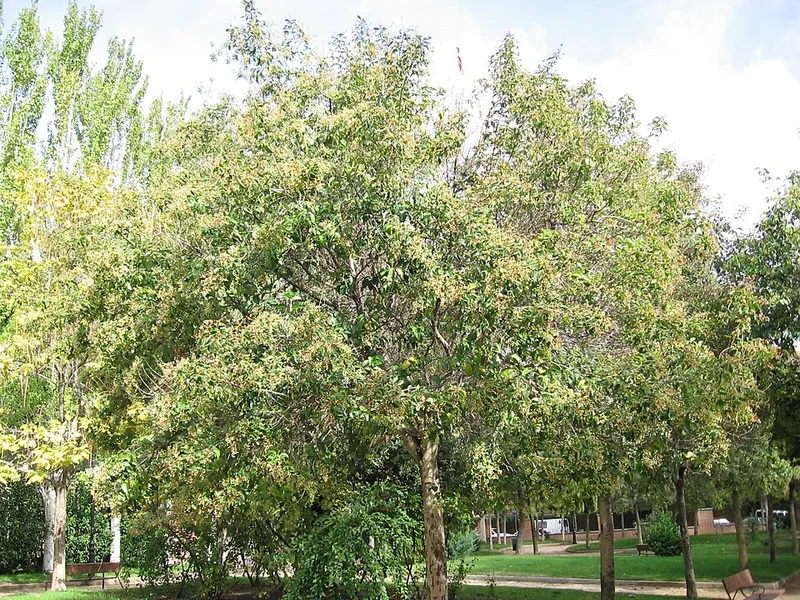
Japanese Privet (Ligustrum japonicum)
Waxleaf Privet, Japanese Ligustrum
Full sun to full shade; dry to moist, tolerates a wide range of soils including compacted clay; pH 5.5-7.5.
6-12 feet tall and 6-8 feet wide; evergreen; white flower panicles in May-June with a strong, sometimes unpleasant fragrance; blue-black berry clusters ripen in fall and persist through winter; spreads aggressively by bird-dispersed seed.
Propagation: semi-hardwood cuttings in late summer root readily; seeds germinate prolifically without pretreatment.
Native region: Not native to Tennessee; introduction from Japan and Korea. Widely invasive in the southeastern United States, spreading into natural areas throughout Middle Tennessee.
L. japonicum is considered one of the most problematic invasive shrubs in Tennessee's natural areas, spreading from residential plantings into forest understories via bird seed dispersal. It tolerates deep shade and dry conditions that suppress native competition, allowing it to form dense monoculture thickets. Despite its landscape versatility, the Tennessee Exotic Pest Plant Council lists privet as a Category 1 invasive. Where removal is required, cutting alone is insufficient, stumps resprout vigorously; triclopyr herbicide applied immediately to cut stumps is the standard control method. For landscapes where a dense evergreen screen is desired without the invasive risk, Ilex vomitoria (yaupon holly) or Osmanthus americanus are better-adapted native alternatives for Middle Tennessee.
Quick Facts
- Common Name
- Japanese Privet
- Scientific Name
- Ligustrum japonicum
- Plant Type
- Shrub
- Region
- Middle Tennessee