About Coleus
Coleus (Plectranthus scutellarioides)
Painted Nettle, Flame Nettle
Part shade to full shade preferred; some sun-tolerant cultivars handle full sun with adequate moisture; moist, well-drained, organically rich soil; pH 6.0-7.0.
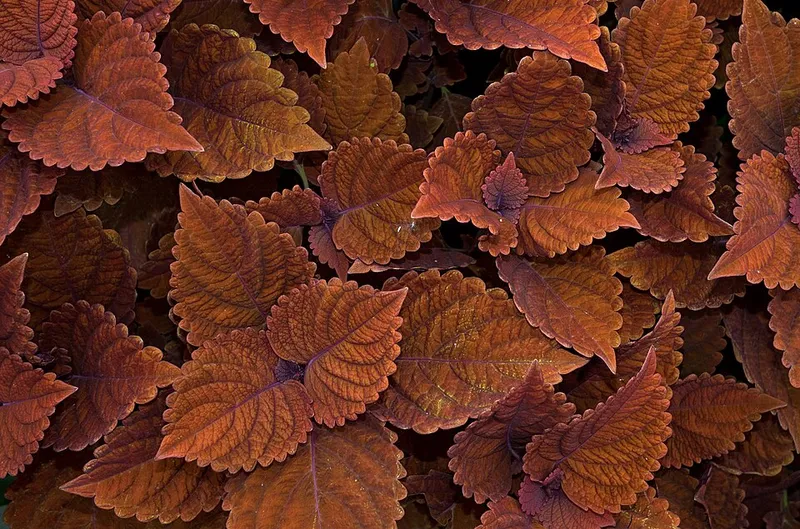
12-36 inches tall and 12-24 inches wide; grown for foliage in combinations of red, orange, yellow, green, purple, and near-black; blooms late summer with small blue-lavender spikes, pinch flower spikes to redirect energy to foliage; frost-tender annual in Zone 6b.
Propagation: tip cuttings root in water or moist medium in 1-2 weeks; start from seed indoors 8-10 weeks before last frost; surface-sow, needs light for germination.
Native region: Not native to Tennessee; ornamental introduction from tropical Asia and Southeast Asia.
Coleus is the go-to foliage annual for shaded and part-shaded beds in Middle Tennessee, reliably filling spaces under canopy trees where flowering annuals struggle. Sun-tolerant selections such as 'ColorBlaze' and 'Henna' perform well in full sun provided soil moisture is maintained, afternoon wilt in clay-based beds in July is a sign of drought stress, not disease. Pinch out flower spikes as soon as they appear to maintain the compact branching form and prevent premature decline. Downy mildew (Peronospora sp.) caused significant losses in coleus production starting around 2005 and continues to be a concern, symptoms include leaf curl, yellowing, and rapid crown collapse in humid conditions; remove and dispose of affected plants rather than treating. Mealybugs occasionally colonize stem nodes; insecticidal soap or neem oil applied to stems and leaf undersides controls most infestations.
Quick Facts
- Common Name
- Coleus
- Scientific Name
- Plectranthus scutellarioides
- Plant Type
- Shrub
- Region
- Middle Tennessee