About Chinese Holly
Chinese Holly (Ilex cornuta)
Horned Holly, Chinese Horned Holly
Full to part sun, moderately moist to well-drained, tolerates clay and drought once established, pH 5.5-6.5; lower vigor in alkaline soils.
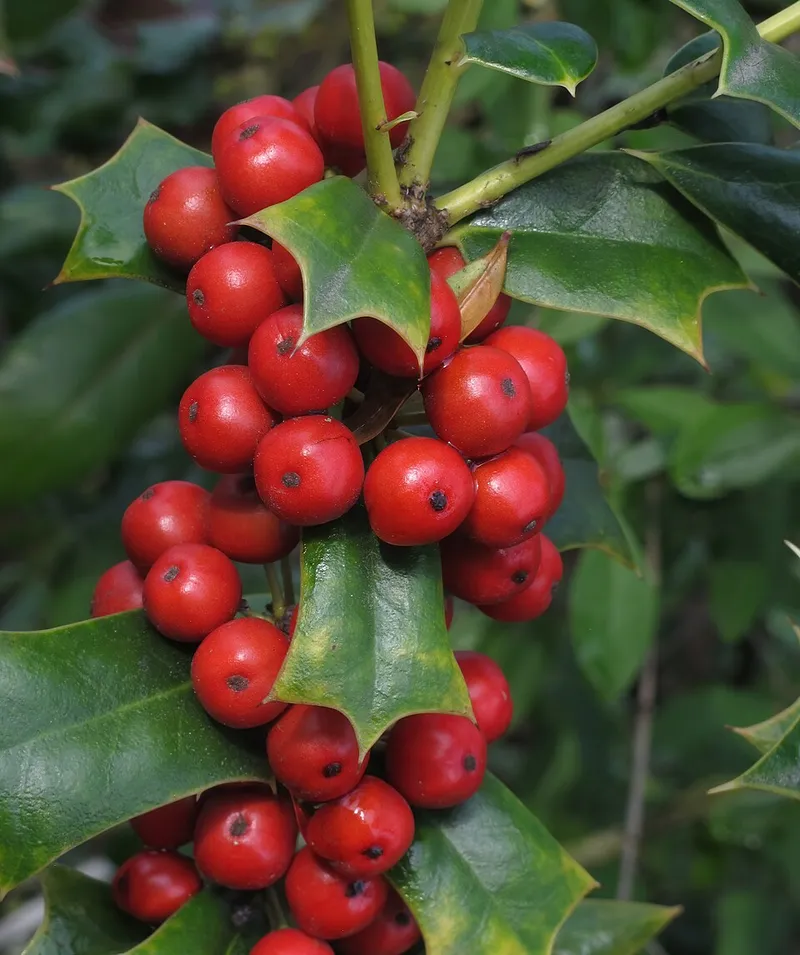
8-12 feet tall and wide in species form; popular compact cultivars ('Burfordii Nana', 'Dwarf Burford') reach 4-6 feet; blooms April-May with inconspicuous white flowers; red berries on female plants ripen October-November; unique among hollies in that self-fruitful cultivars ('Burfordii') set berries without a pollenizer.
Propagation: semi-hardwood cuttings in summer root reliably.
Native region: Not native to Tennessee; ornamental introduction from China and Korea.
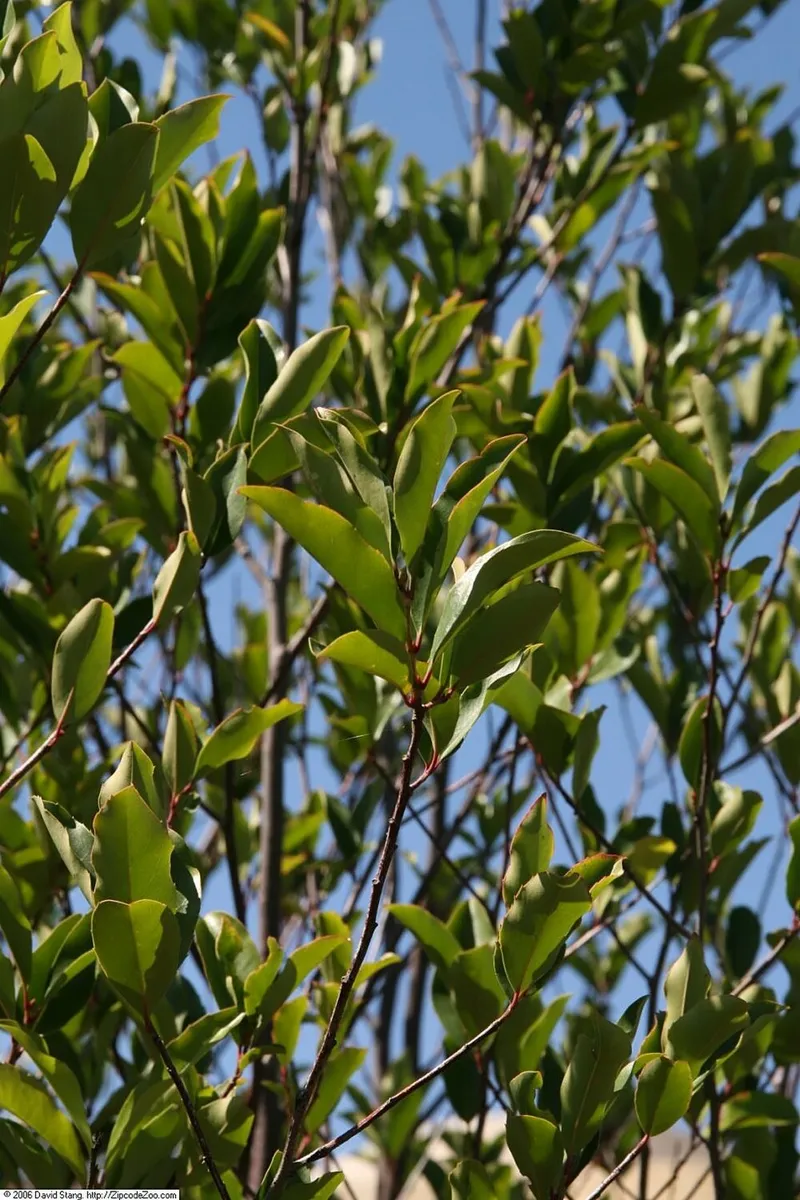
Chinese holly is among the most drought- and heat-tolerant broadleaf evergreen shrubs available for Middle Tennessee landscapes, which gives it a clear advantage over Ilex crenata in full-sun foundation plantings along south and west exposures. The stiff, spine-tipped leaf margins deter deer browsing effectively, a real consideration in suburban fringe areas around Columbia and Lewisburg. Tea scale (Fiorinia theae) infests Ilex cornuta in humid Tennessee summers; stippled, yellowing foliage on the exposed side of the plant is the first sign. Horticultural oil applied in late April when crawlers are active controls populations without harming beneficial insects. Scale-heavily infested branches should be pruned out rather than sprayed.
Quick Facts
- Common Name
- Chinese Holly
- Scientific Name
- Ilex cornuta
- Plant Type
- Shrub
- Region
- Middle Tennessee