About veronica
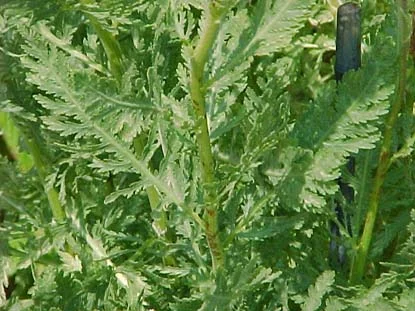
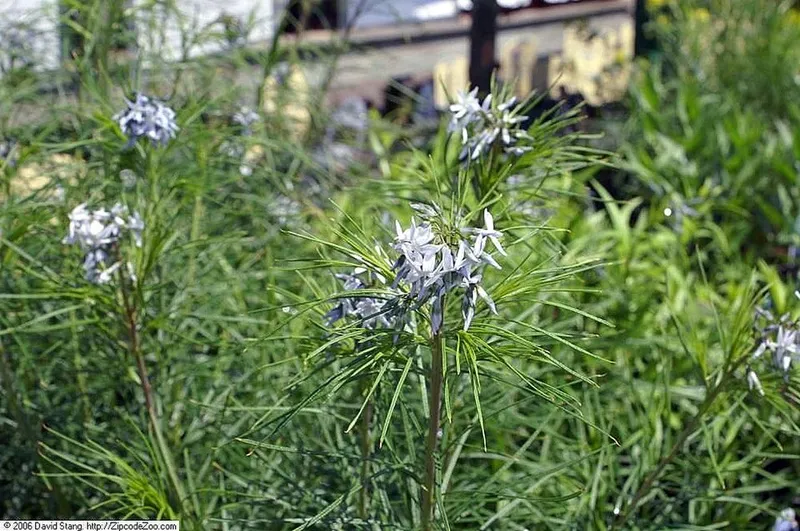
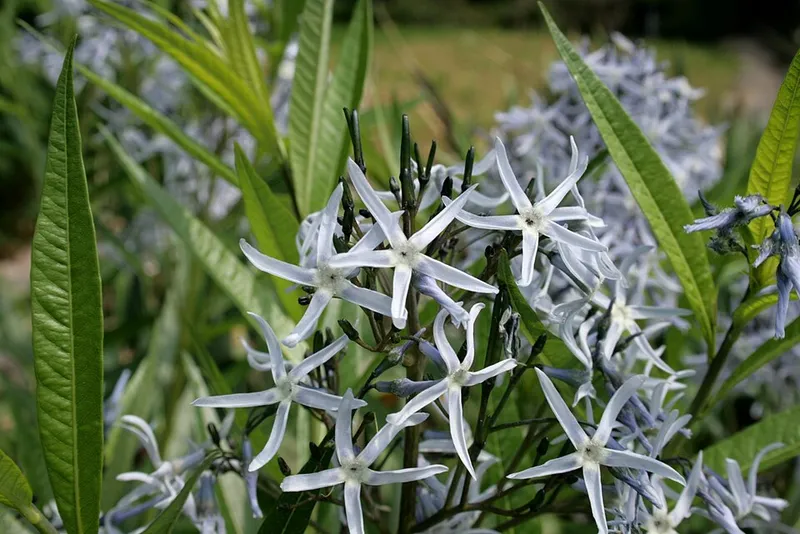
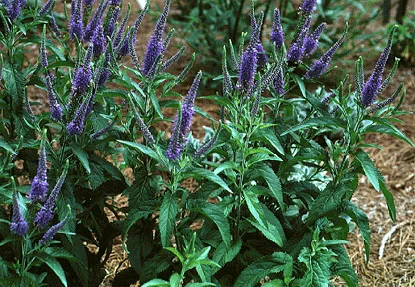
Veronica (Veronica longifolia)
Long-leaf Speedwell, Garden Veronica
Full sun to part shade, medium to moderately wet moisture, well-drained to average loam; tolerates clay soils with moderate drainage; pH 5.5-7.0.
2-4 feet tall by 1-2 feet wide; blooms in summer (July-August in Middle Tennessee) with dense upright spikes of violet-blue to pink-lavender flowers; spreads slowly by rhizome to form clumps; deadheading extends the bloom season.
Native region: Not native to Tennessee; ornamental introduction from Europe and Asia. Note: distinguished from native Tennessee Veronicastrum virginicum (Culver's Root), which is a separate genus despite the common name overlap.
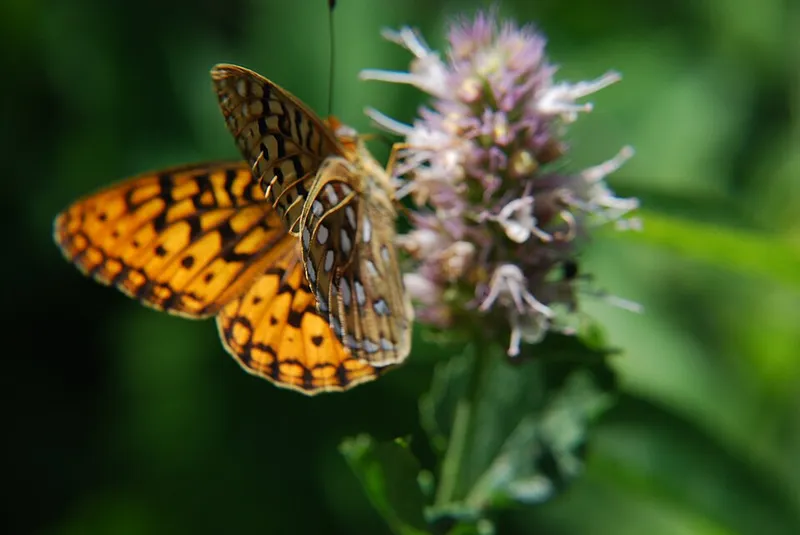
Veronica longifolia and its cultivars (including the widely sold 'Eveline' and 'Blue Giantess') are among the better summer-blooming perennials for the Middle Tennessee climate. The upright spike habit provides vertical interest against the horizontal forms of coneflowers and daylilies. In the I-65 corridor, plants may show foliar powdery mildew in the humid late-summer period, select mildew-resistant cultivars or provide good spacing for air movement. The closely related Veronica spicata is shorter (12-18 inches) and often better suited for front-of-border positions in the heavy soils of the Columbia area. Both species attract native bees, bumble bees, and butterflies.
Quick Facts
- Common Name
- veronica
- Scientific Name
- Veronica longifolia
- Plant Type
- Perennial
- Region
- Middle Tennessee