About Purple Passionflower
Purple Passionflower (Passiflora incarnata)
Maypop
Full to part sun, medium to dry moisture, tolerates a wide range of soils including clay and sandy loam; drought-tolerant once established via deep tuberous root system.
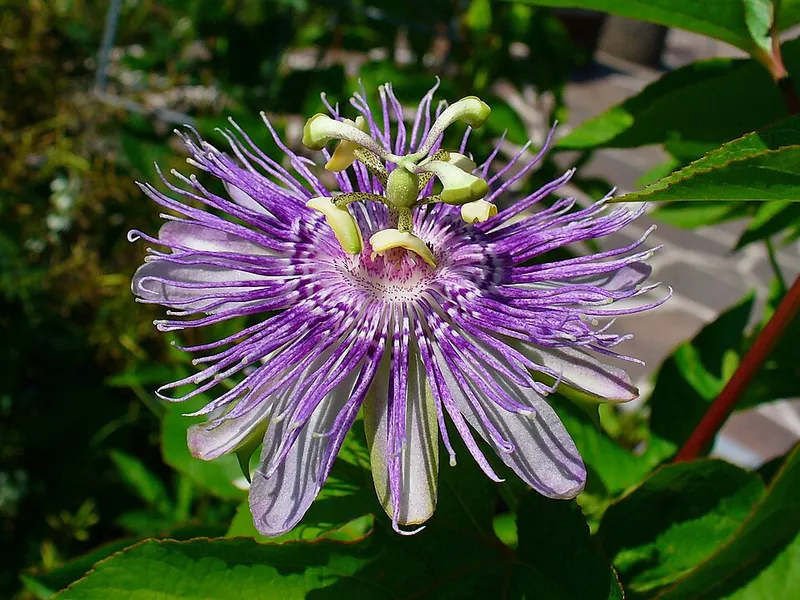
Twining vine reaching 10-25 feet annually from perennial roots; blooms June-August with intricate lavender and white flowers 2-3 inches across; produces edible yellow-green fruits (maypops) that ripen August-October; spreads aggressively by underground runners to form colonies; dies back to the ground each winter.
Native region: Statewide in Tennessee; common on roadsides, forest margins, old fields, and disturbed areas across the I-65 corridor.
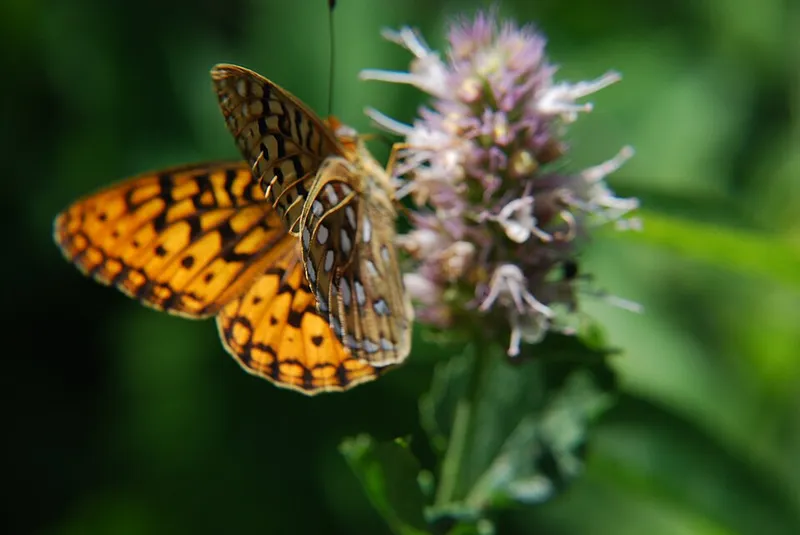
Native to Middle Tennessee and frequently encountered along fencerows in the Columbia area. The running root system can be difficult to contain once established, allow ample space or use a barrier. This is the primary larval host plant for the Gulf Fritillary (Agraulis vanillae) and Zebra Longwing (Heliconius charithonia) butterflies. Flowers are pollinated by carpenter bees and bumblebees. The fruits are edible and have a tropical, sweet-tart flavor. Tolerates competition from bermudagrass and thrives in the same roadsides and sunny disturbed zones where bermudagrass dominates.
Quick Facts
- Common Name
- Purple Passionflower
- Scientific Name
- Passiflora incarnata
- Plant Type
- Perennial
- Region
- Middle Tennessee