About heliopsis
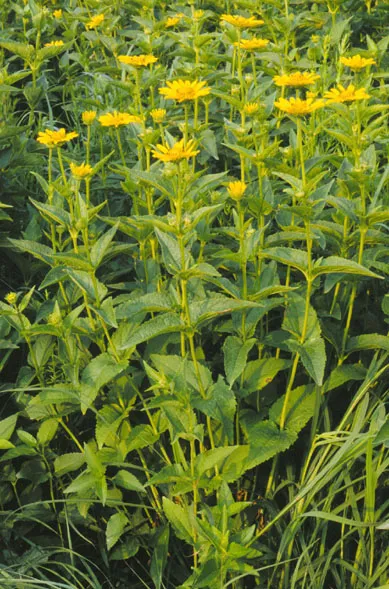
Heliopsis (Heliopsis helianthoides)
Oxeye Sunflower, False Sunflower
Full to part sun, medium to moderately dry moisture, tolerates clay soils and a wide range of soil types; pH 5.5-7.0; drought-tolerant once established.
3-5 feet tall by 2-3 feet wide; blooms mid- to late summer (July-September in Middle Tennessee) with golden-yellow daisy-like flowers with yellow-brown centers; spreads by rhizome and by self-seeding to form persistent colonies; more reliably perennial than Helianthus (true sunflower).
Divide clumps every 3-4 years in spring to prevent center dieback; deadheading reduces self-seeding.
Native region: Statewide in Tennessee; native to open woodlands, prairies, meadows, and disturbed areas, one of the most widespread native composites in the state.
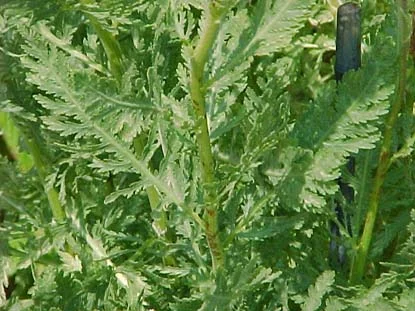
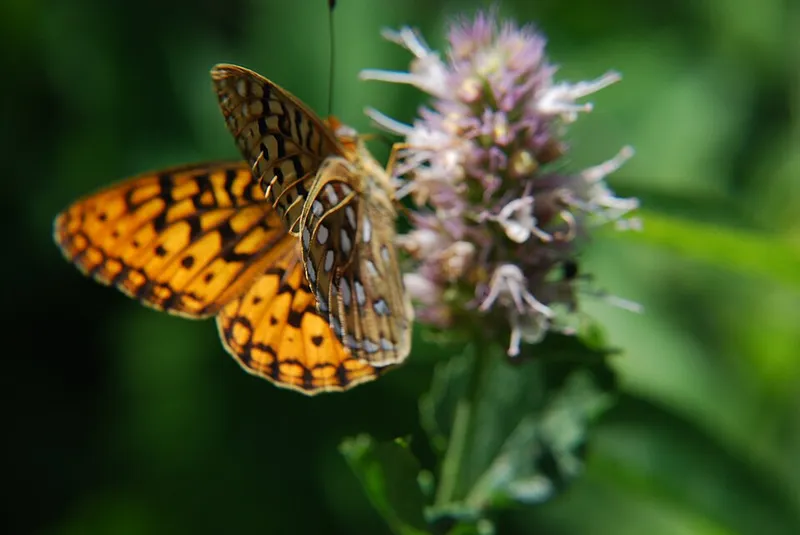
Heliopsis helianthoides is a workhorse native perennial for Middle Tennessee, tolerating the full range of soil conditions and summer heat found along the I-65 corridor. Unlike Rudbeckia fulgida, which has a more compact garden habit, Heliopsis can become coarse and floppy in rich soils, cutting stems back by one-third in late May reduces final height without sacrificing bloom. The cultivar 'Loraine Sunshine' is notable for white-variegated foliage; 'Summer Sun' is the standard upright selection. Attracts monarch butterflies, swallowtails, and native bees in peak summer bloom. Powdery mildew appears on lower foliage in late summer under humid conditions but does not significantly affect plant vigor.
Quick Facts
- Common Name
- heliopsis
- Scientific Name
- Heliopsis helianthoides
- Plant Type
- Perennial
- Region
- Middle Tennessee