About Gray Santolina
Gray Santolina (Santolina chamaecyparissus)
Lavender Cotton
Full sun, dry to moderately dry moisture level, well-drained sandy or gravelly soil; poor to lean soils preferred; neutral to slightly alkaline pH.
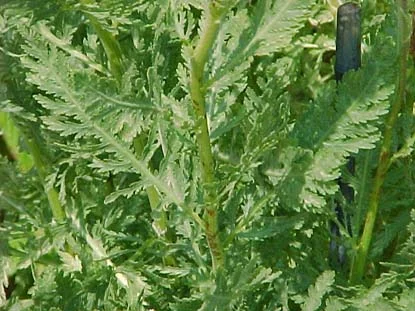
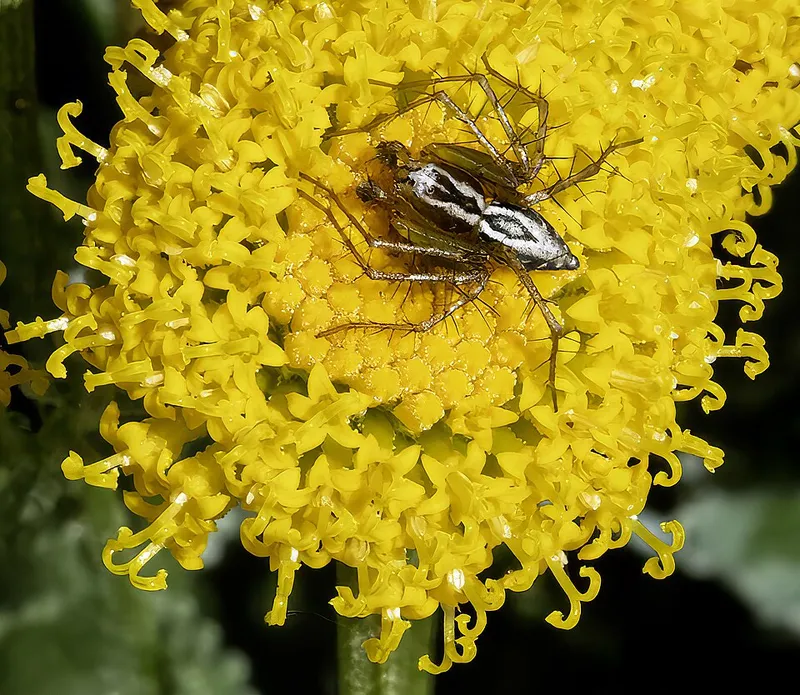
1-2 feet tall and 2-3 feet wide; blooms early summer (June-July in Middle Tennessee) with small bright yellow button-like flowers on upright stems; evergreen silver-gray aromatic foliage; spreads slowly from the base to form a mound.
Shear back by one-third to one-half immediately after bloom to maintain compact form and prevent woody open centers; hard rejuvenation pruning in early spring.
Native region: Not native to Tennessee; ornamental introduction from the Mediterranean basin (Spain, Italy, North Africa).
Gray santolina is native to the rocky, calcareous soils of the Mediterranean, conditions that closely match the limestone-derived, fast-draining soils found on slopes and rocky sites across Middle Tennessee's Highland Rim. It performs well in raised beds and along foundation edges where summer heat reflects off paving and drainage is guaranteed. The silver foliage is the primary ornamental feature; the yellow flowers are secondary. Root rot in wet clay is the predictable failure mode in Middle Tennessee: sites with standing water or heavy mulch against the crown will kill the plant by late winter. Deer-resistant due to the strongly aromatic camphor-like foliage.
Quick Facts
- Common Name
- Gray Santolina
- Scientific Name
- Santolina chamaecyparissus
- Plant Type
- Perennial
- Region
- Middle Tennessee