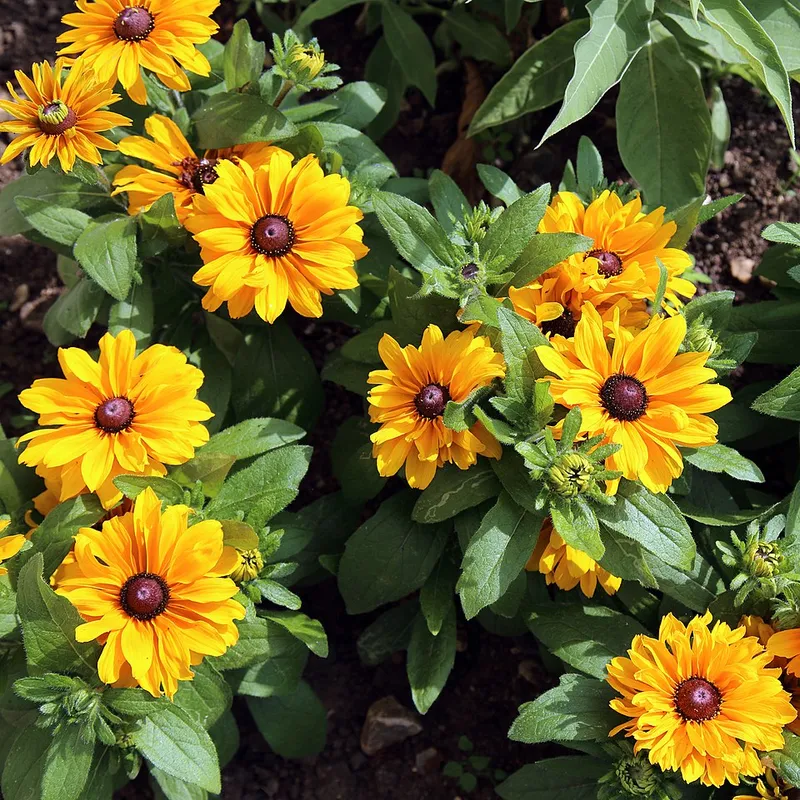
About Gloriosa Daisy
Gloriosa Daisy (Rudbeckia hirta)
Full to part sun, moderately wet to dry moisture, tolerates all soils except coarse rocky soil, slightly acid to neutral pH.
3-4 feet tall; blooms summer (June-September in Middle Tennessee) with yellow to yellow-orange flowers and dark brown centers; may behave as an annual, biennial, or short-lived perennial depending on conditions; re-seeds readily to maintain a persistent stand.
Germination Code: C(30). Surface sow in late fall or early spring; seeds require light for germination.
Native region: Middle and East Tennessee, lightly in West Tennessee; native to prairies, plains, meadows, pastures, and woodland edges.
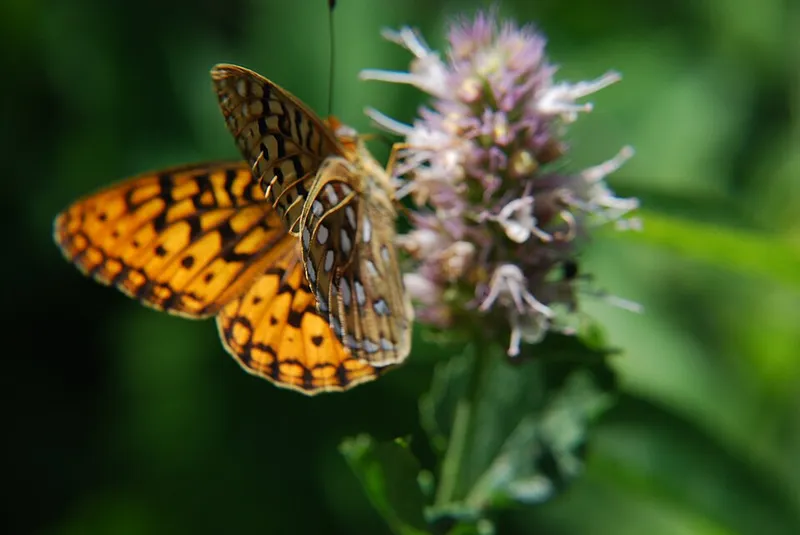
Unlike its close relative Rudbeckia fulgida (Perennial Black-Eyed Susan), R. hirta is typically short-lived and depends on prolific self-seeding to persist in the landscape. In the humid Middle Tennessee climate, it can become weedy in disturbed soil but is easily managed. Useful in meadow plantings, roadside naturalization, and informal borders where it combines well with native grasses and Liatris spp. The cultivated 'Gloriosa Daisy' strains selected for larger flowers may reseed less reliably than wild-type plants. Attracts butterflies, bees, and finches that harvest the seed heads in late summer.
Quick Facts
- Common Name
- Gloriosa Daisy
- Scientific Name
- Rudbeckia hirta
- Plant Type
- Perennial
- Region
- Middle Tennessee