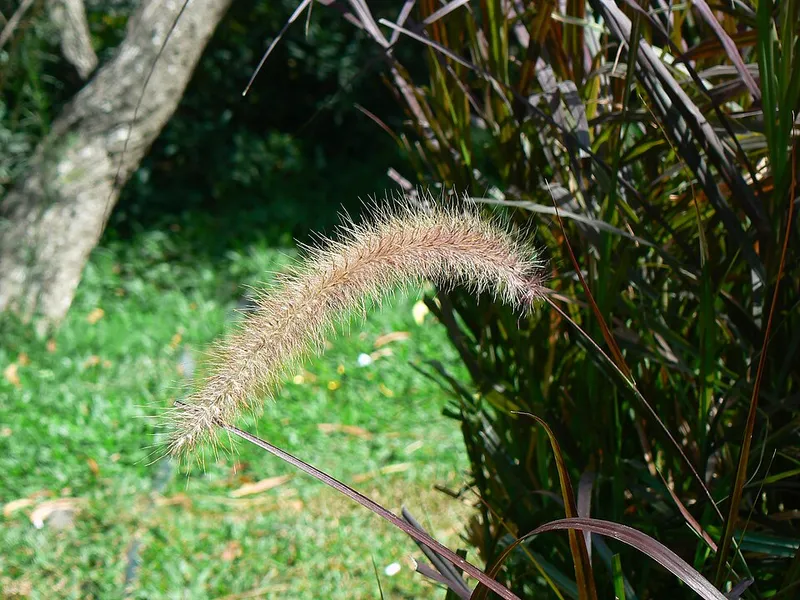
About Fountain Grass
Fountain Grass (Pennisetum setaceum)
Crimson Fountain Grass, African Fountain Grass
Full sun, dry to medium moisture, well-drained soils, pH 6.0-8.0.
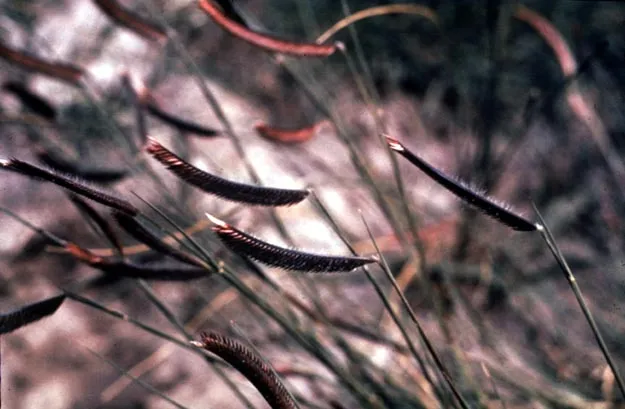
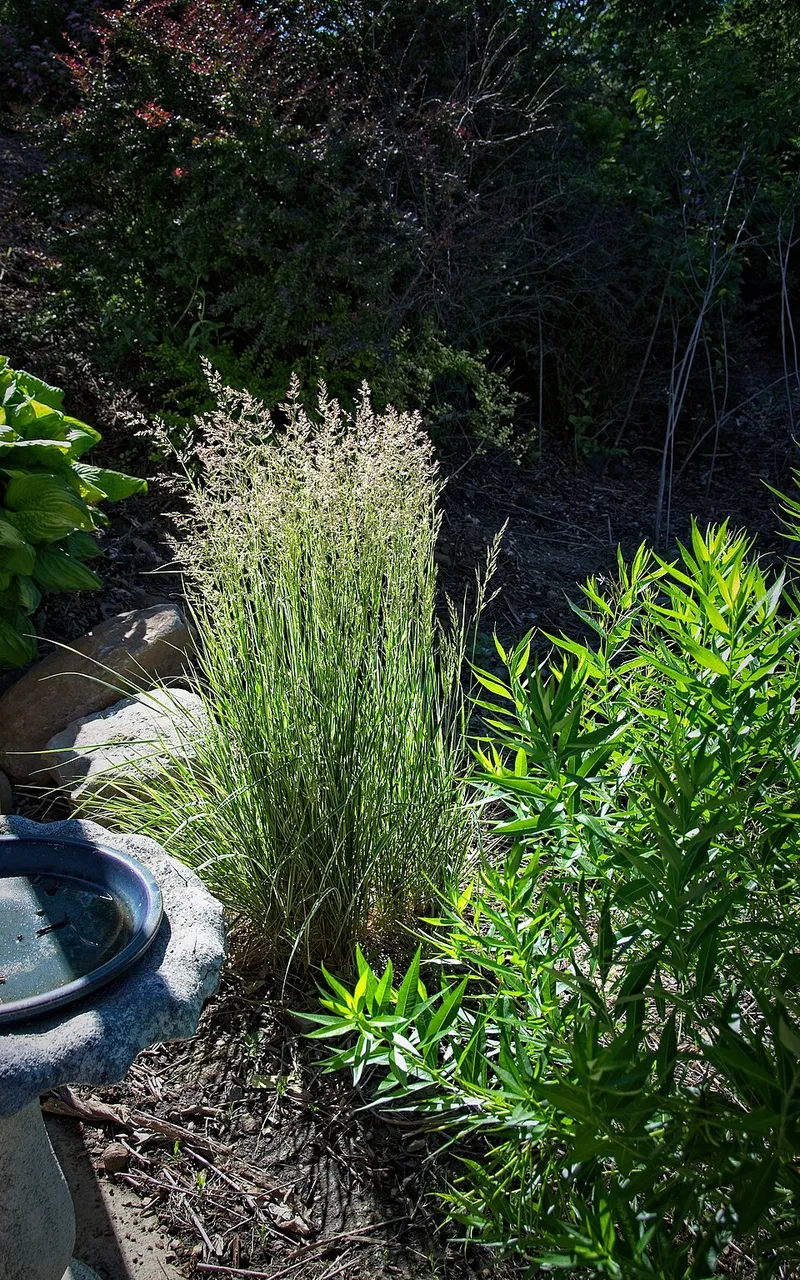
2-4 feet tall, 2-3 feet wide; blooms June-frost with bottlebrush-like pink-to-red or tan plumes; clump-forming, arching habit; self-seeds prolifically in frost-free climates; in Zone 6b/7a it is killed to the ground by hard frost and treated as an annual or tender perennial.
In Middle Tennessee, plants rarely overwinter reliably; treat as an annual, replace each spring, or overwinter rooted divisions indoors above 40°F.
Native region: Not native to Tennessee; introduced from northeastern Africa and the Middle East. Classified as invasive in California, Hawaii, Arizona, and Florida where it escapes cultivation into natural areas, in these climates it is a Category I invasive. In Tennessee's Zone 6b/7a, killing winters prevent persistent naturalization, substantially reducing (but not eliminating) invasive risk.
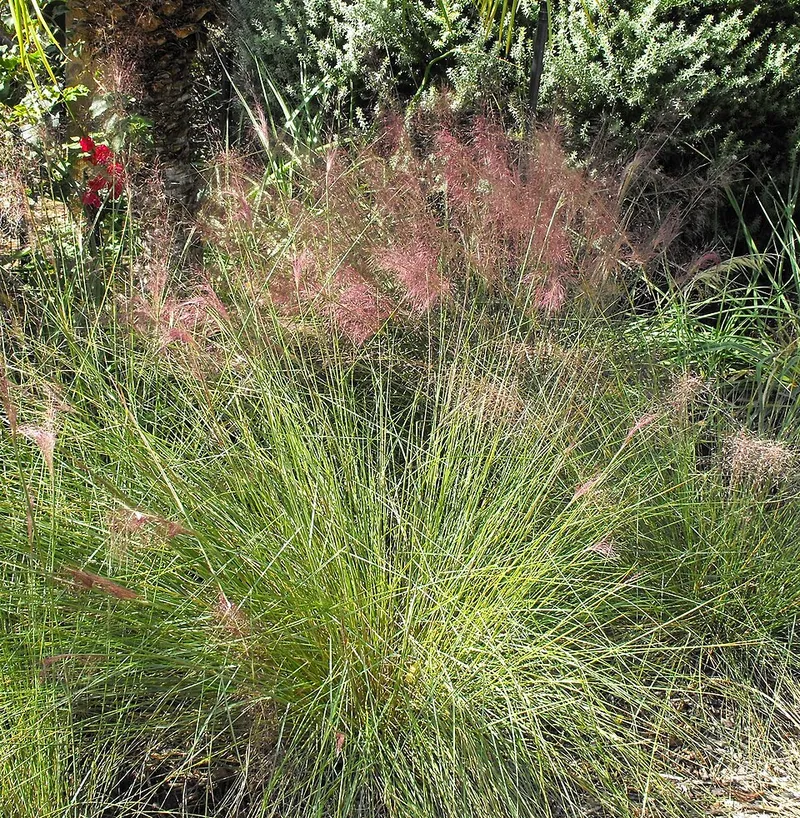
The primary ornamental appeal is the arching foxtail plumes from midsummer through frost. Purple-leafed selections such as 'Rubrum' are sterile and preferred over seed-producing green forms. Because Tennessee winters typically prevent persistent naturalization, Pennisetum setaceum is less problematic here than in warmer states, but avoid planting near natural areas or drainage corridors as a precaution. For a similar texture without invasive concerns, Muhlenbergia capillaris is a native substitute with comparable late-season bloom.
Quick Facts
- Common Name
- Fountain Grass
- Scientific Name
- Pennisetum setaceum
- Plant Type
- Ornamental Grass
- Region
- Middle Tennessee