About Lily-of-the-Valley
Lily-of-the-Valley (Convallaria majalis)
Part shade to full shade, moderately moist to moist; prefers humus-rich soil; pH 5.5-7.0; tolerates clay with organic amendment; declines in hot, dry, full-sun exposures.
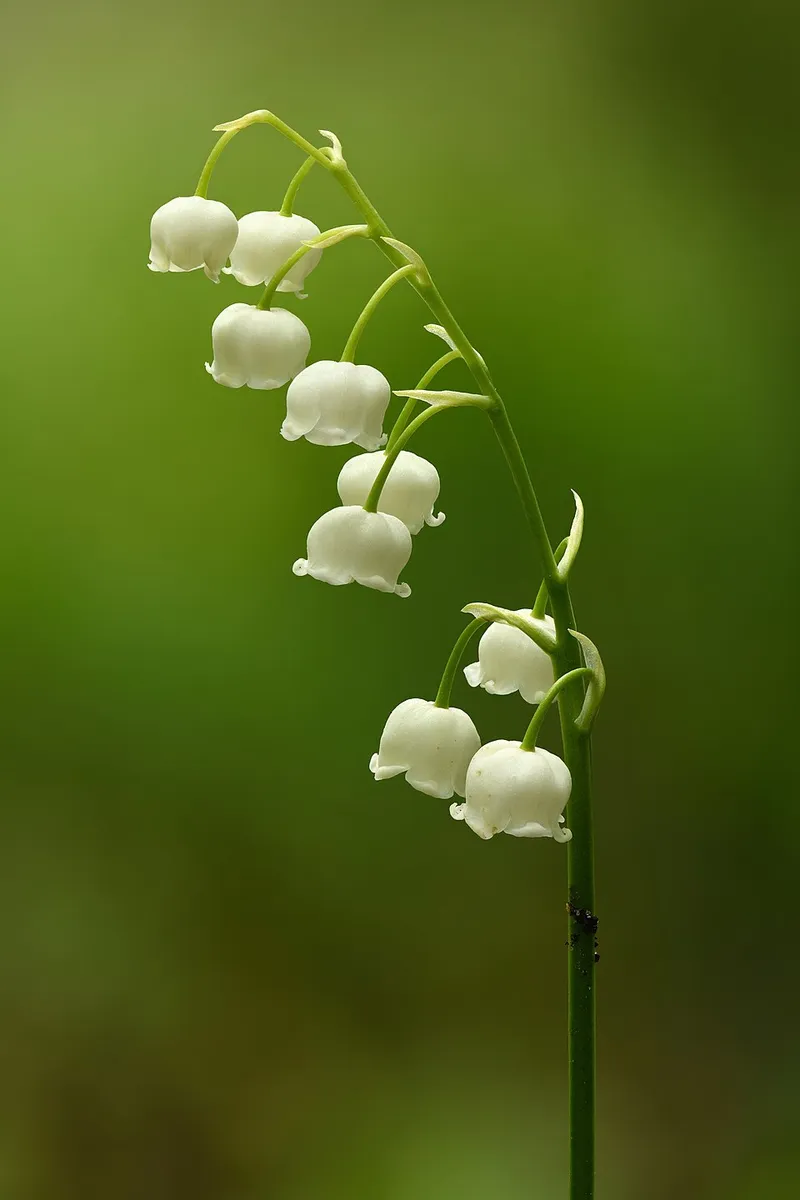
15-20 cm tall; spreads by rhizomes (pips) to form dense colonies; blooms April-May with intensely fragrant white bell-shaped flowers; foliage turns yellow and goes dormant by late summer; orange-red berries in fall are toxic if ingested.
Propagation by division of pips in fall or early spring; separate and replant individual pips with the tip just at soil level.
Native region: Not native to Tennessee; ornamental introduction from Europe and Asia; naturalized in some woodland sites in the eastern United States.
Lily-of-the-valley is one of the most aggressive spreading groundcovers for shade in Middle Tennessee, once established in moist, amended soil it is nearly impossible to eradicate and will spread into adjacent beds and borders. Site carefully with this in mind. The fragrant spring bloom is exceptional and the dense foliage suppresses weeds effectively through May and June before summer dormancy. All parts of the plant are toxic; the orange berries in fall are particularly hazardous to children and pets. Slugs and snails feed on the foliage in wet springs; iron phosphate baits applied in March reduce damage. Performance degrades in heavy clay without organic amendment, incorporate 8-10 cm of compost at planting.
Quick Facts
- Common Name
- Lily-of-the-Valley
- Scientific Name
- Convallaria majalis
- Plant Type
- Groundcover
- Region
- Middle Tennessee