About Sweet William
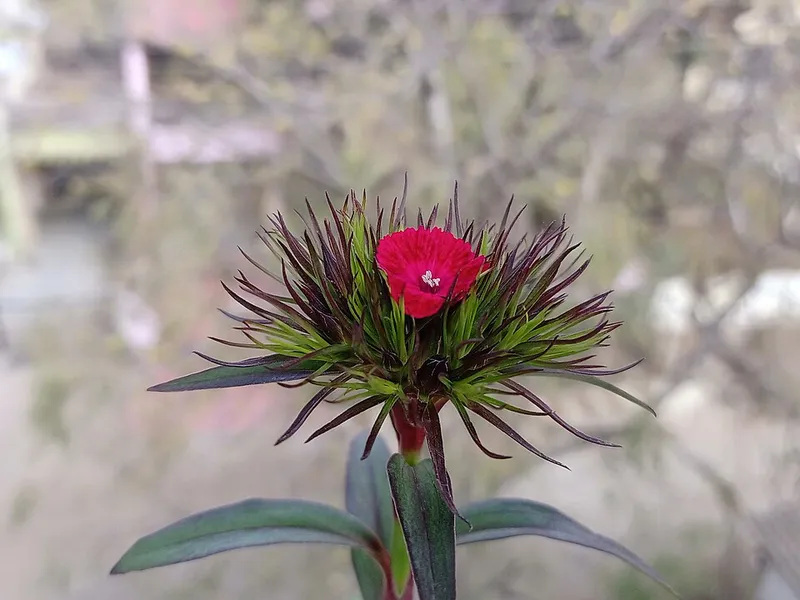
Sweet William (Dianthus barbatus)
Full sun to part shade, medium moisture, well-drained; prefers sandy loam or amended clay; pH 6.0-7.5.
12-24 inches tall, 6-12 inches wide; blooms May-June with dense, flat-topped flower clusters in red, pink, white, or bicolor combinations; biennial or short-lived perennial; spreads by self-seeding.
Propagation: Germination Code A (no pretreatment); direct sow in fall for spring bloom or start transplants indoors 8-10 weeks before last frost; deadhead promptly to encourage rebloom and self-seeding for following year.
Native region: Not native to Tennessee; ornamental introduction from southern Europe.
In Middle Tennessee, D. barbatus functions primarily as a cool-season biennial, plants started in late summer or fall overwinter in rosette form and bloom the following May through June before summer heat terminates them. Prolonged periods of wet foliage in Middle Tennessee's spring humidity can trigger Fusarium crown rot in poorly drained clay sites; raised beds or amended planting areas drain more reliably. Carnation aphid (Brachycaudus helichrysi) occasionally colonizes stem tips in spring, a strong water spray or insecticidal soap application controls most outbreaks. The fragrant clove-scented flowers attract swallowtail butterflies and hummingbird moths.
Quick Facts
- Common Name
- Sweet William
- Scientific Name
- Dianthus barbatus
- Plant Type
- Shrub
- Region
- Middle Tennessee