About Summersweet
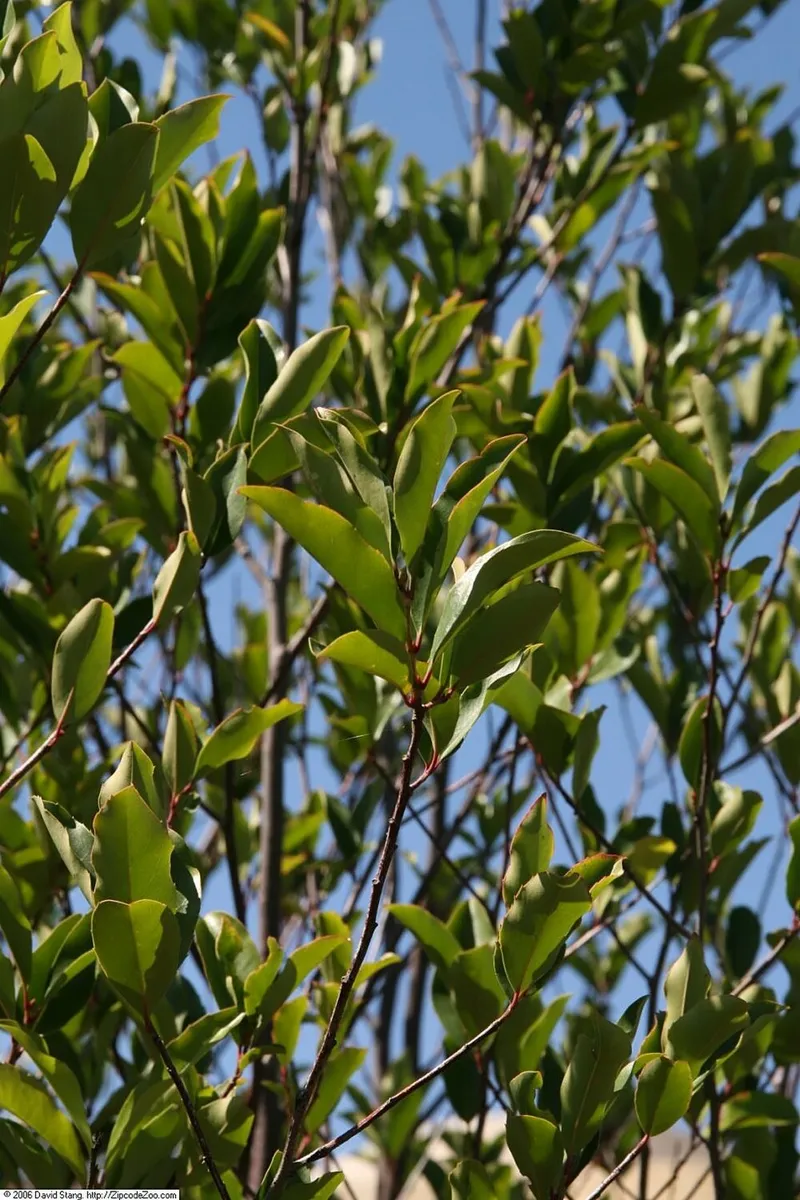
Summersweet (Clethra alnifolia)
Sweet Pepperbush, White Alder
Full to part shade, wet to moderately moist, tolerates clay and seasonally flooded soils; pH 4.5-6.5; needs consistent moisture, declines in dry upland sites without supplemental irrigation.
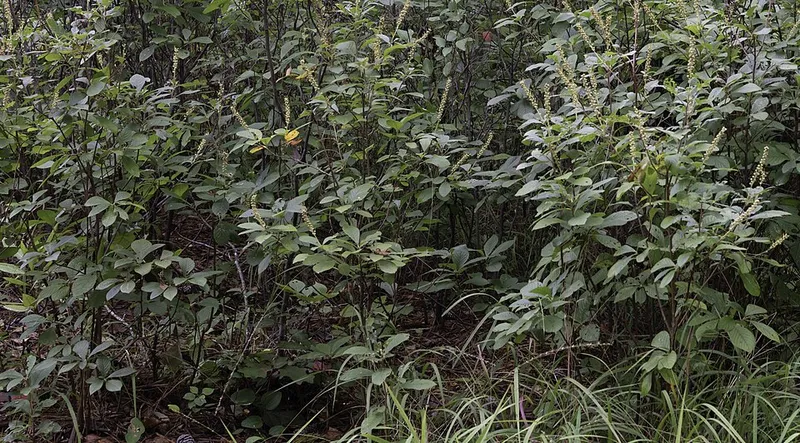
4-8 feet tall and 4-6 feet wide; blooms July-September with fragrant white or pink flower spikes 4-6 inches long; one of the few shrubs blooming in midsummer heat; spreads by root suckers to form colonies; deciduous with yellow fall color.
Propagation: softwood cuttings in early summer root readily under mist; division of sucker clumps in early spring.
Native region: Native to Tennessee; primarily in moist low woodlands and stream margins, concentrated in Middle and East Tennessee counties.
Summersweet occupies a genuine niche in Middle Tennessee landscapes: it blooms in July and August when almost nothing else is flowering, and it performs in the wet, shaded conditions near downspouts, retention areas, and low spots where other shrubs struggle. The fragrant spikes attract butterflies and native bees during the midsummer heat, a period when nectar sources are scarce across much of the region. Compact cultivars ('Hummingbird', 'Sixteen Candles') stay under 3-4 feet and are better suited for foundation planting than the suckering species form. Chlorosis develops in alkaline soils above pH 6.5; acidifying fertilizers correct the deficiency when drainage cannot be improved. No significant pest or disease issues affect established plants in Tennessee.
Quick Facts
- Common Name
- Summersweet
- Scientific Name
- Clethra alnifolia
- Plant Type
- Shrub
- Region
- Middle Tennessee