About Red Chokecherry
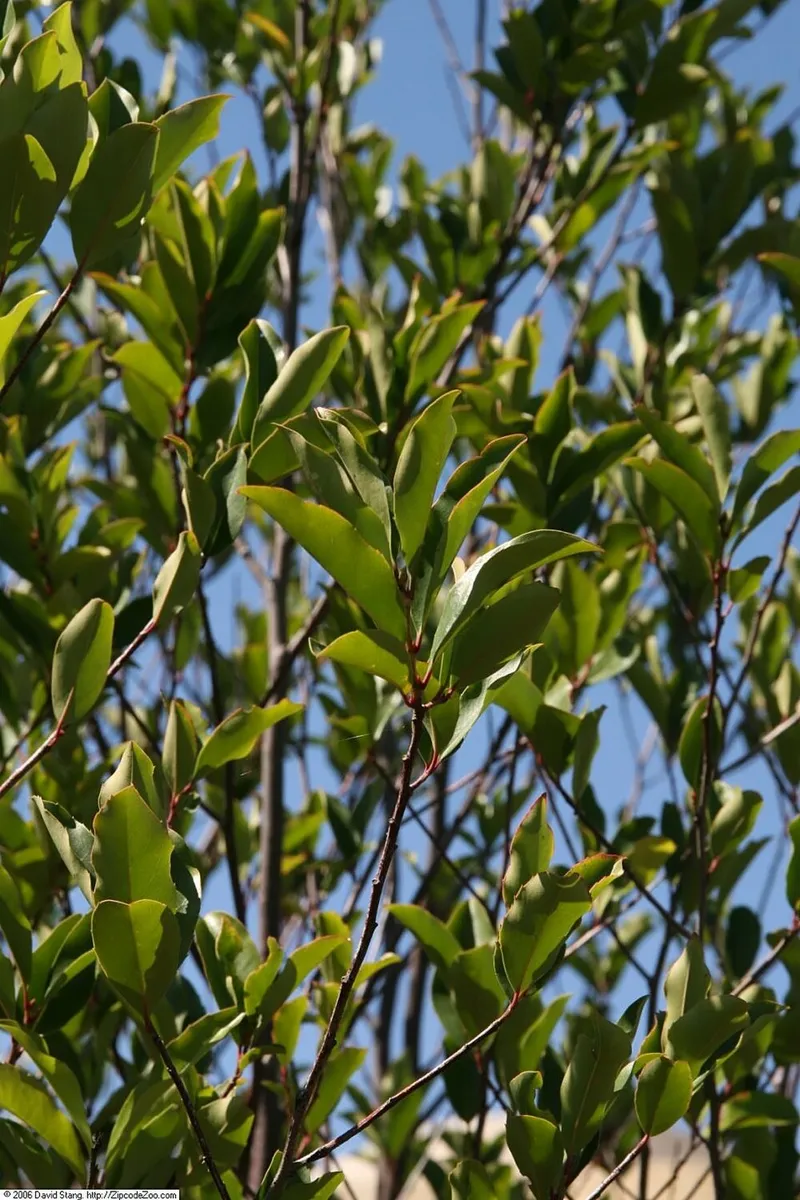
Red Chokecherry (Aronia arbutifolia)
Red Chokeberry
Full to part sun, wet to moderately moist, tolerates clay, seasonally flooded soils, and dry upland sites once established; pH 4.5-7.0.
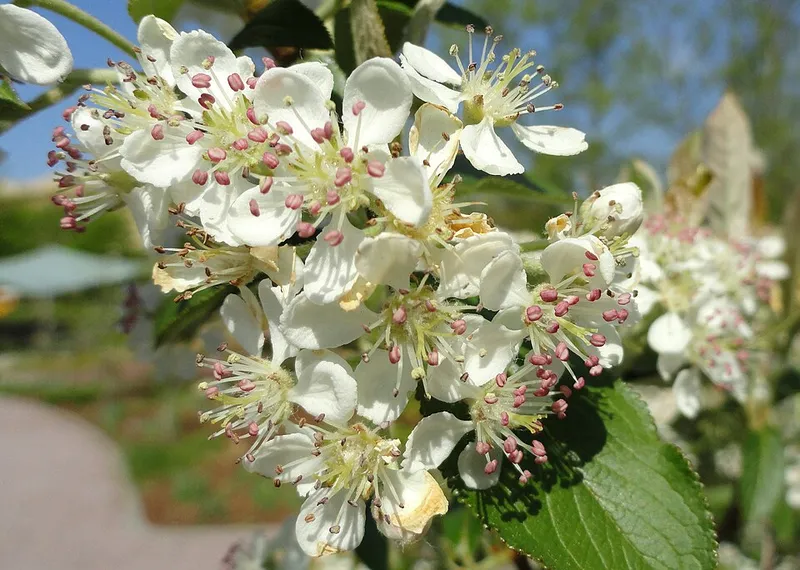
6-10 feet tall and 3-5 feet wide; blooms April-May with white flowers in clusters; brilliant red berries ripen September-October and persist into December; fall foliage turns intense scarlet-red; spreads by root suckers to form colonies.
Propagation: semi-hardwood cuttings in summer; suckers transplant readily in early spring.
Native region: Native to Tennessee; scattered statewide, more common in Middle and East Tennessee in moist woodland edges and bottomland shrub thickets.
Red chokeberry is one of the best multi-season native shrubs for Middle Tennessee landscapes. The combination of spring bloom, persistent red fruit, and reliable scarlet fall color provides ornamental value across three seasons on a shrub that requires zero supplemental care once established in adapted soil. Birds, including cedar waxwings, American robins, and mockingbirds, consume the berries through late fall and winter. The species' natural wetland affinity makes it unusually suited to low spots and rain garden margins where drainage is inadequate for most ornamentals. Compact cultivars such as 'Brilliantissima' improve fruiting density and reduce the suckering spread of the species form. No significant pest or disease problems affect established plants in Tennessee landscapes.
Quick Facts
- Common Name
- Red Chokecherry
- Scientific Name
- Aronia arbutifolia
- Plant Type
- Shrub
- Region
- Middle Tennessee