About Ninebark
Ninebark (Physocarpus opulifolius)
Common Ninebark, Eastern Ninebark
Full to part sun, moderately moist to well-drained, adaptable to clay, rocky, and infertile soils; pH 5.0-7.5; drought tolerant once established, one of the most site-adaptable native shrubs available.
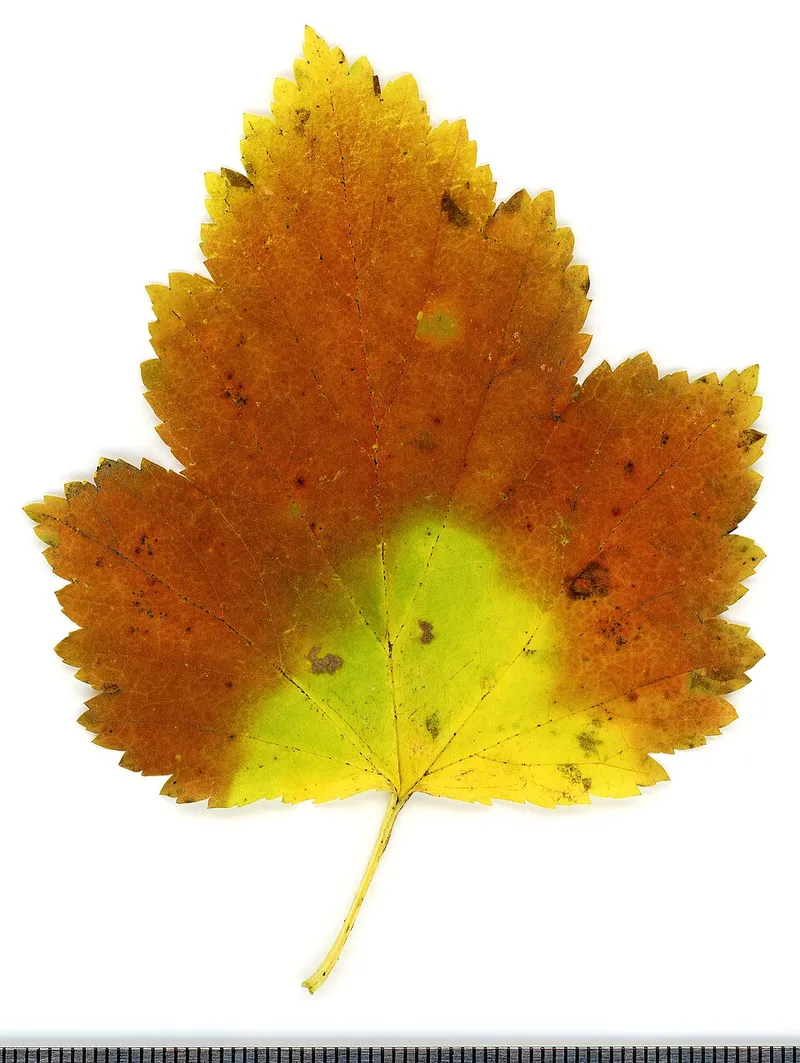
5-10 feet tall and wide in species form; purple-leaf cultivars ('Diabolo', 'Coppertina', 'Summer Wine') are the most commonly sold; blooms May-June with white or pinkish flower clusters; reddish papery seed capsules persist into fall; exfoliating bark reveals orange-brown layers in winter; spreads slowly by root sprouts; deciduous.
Propagation: softwood cuttings in early summer root readily.
Native region: Native to Tennessee; found statewide along stream banks, rocky bluffs, and moist to dry upland woodland margins.
Ninebark tolerates the full spectrum of Middle Tennessee soil conditions, compacted clay subdivisions, rocky ridge tops, wet bottomland margins, without amendment, making it a reliable choice where site preparation is limited. The purple-leaf cultivars are the dominant form sold in Tennessee nurseries and hold their foliage color best in full sun; partial shade shifts the color toward green by midsummer. Powdery mildew is the most common foliar problem in humid Tennessee summers, particularly in shaded or poorly ventilated sites; full sun planting eliminates most mildew pressure. Leaf spots caused by Cylindrosporium and aphid colonies are occasional but not damaging. Rejuvenation by removing the oldest canes to the ground in late winter every 2-3 years maintains vigor and maximizes the ornamental bark display.
Quick Facts
- Common Name
- Ninebark
- Scientific Name
- Physocarpus opulifolius
- Plant Type
- Shrub
- Region
- Middle Tennessee