About Nandina
Nandina (Nandina domestica)
Heavenly Bamboo, Sacred Bamboo
Full sun to full shade; dry to moist, well-drained to moderately moist; highly adaptable to clay; pH 6.0-7.5.
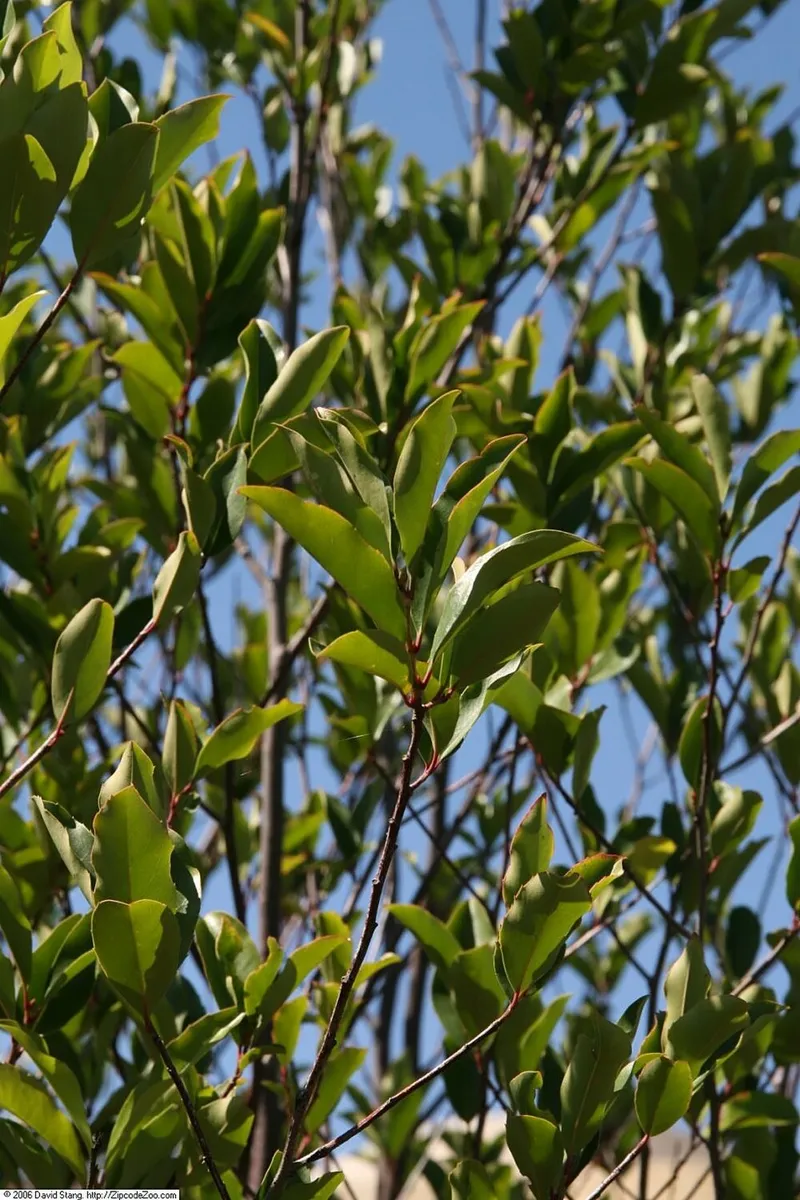
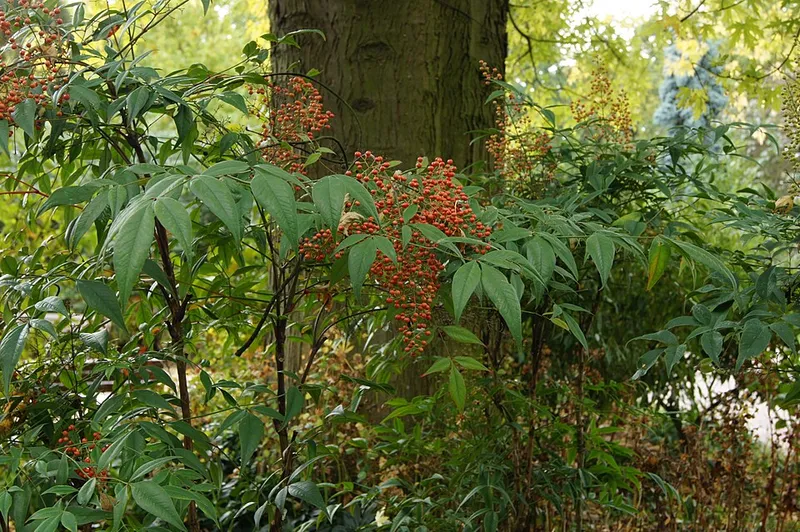
4-8 feet tall (species type); compact cultivars 2-4 feet; semi-evergreen to evergreen; white flower panicles in June-July; bright red berry clusters persist October through winter; foliage turns red to burgundy in full sun in winter; spreads by suckering and prolific bird-dispersed seed.
Propagation: semi-hardwood cuttings in late summer; seeds germinate readily but seedlings may vary from parent; divide established clumps in early spring.
Native region: Not native to Tennessee; introduction from China and Japan. Listed as invasive in several southeastern states; spreads into natural areas via bird seed dispersal in Tennessee.
Nandina is one of the most overplanted shrubs in Middle Tennessee residential landscapes and has naturalized in woodland edges and disturbed areas throughout the I-65 corridor. All plant parts contain cyanogenic glycosides, the persistent red berries have caused documented mass mortality events in cedar waxwings, which consume large quantities at once. Despite ecological concerns, established plants are extremely difficult to eradicate due to deep rhizomatous root systems. Dwarf sterile or low-berry cultivars such as 'Gulf Stream', 'Harbour Dwarf', and 'Firepower' are preferable landscape choices as they produce minimal viable fruit. Compact types are largely pest and disease-free and tolerate both deep shade and full sun in Middle Tennessee without complaint.
Quick Facts
- Common Name
- Nandina
- Scientific Name
- Nandina domestica
- Plant Type
- Shrub
- Region
- Middle Tennessee