About Globe Amaranth
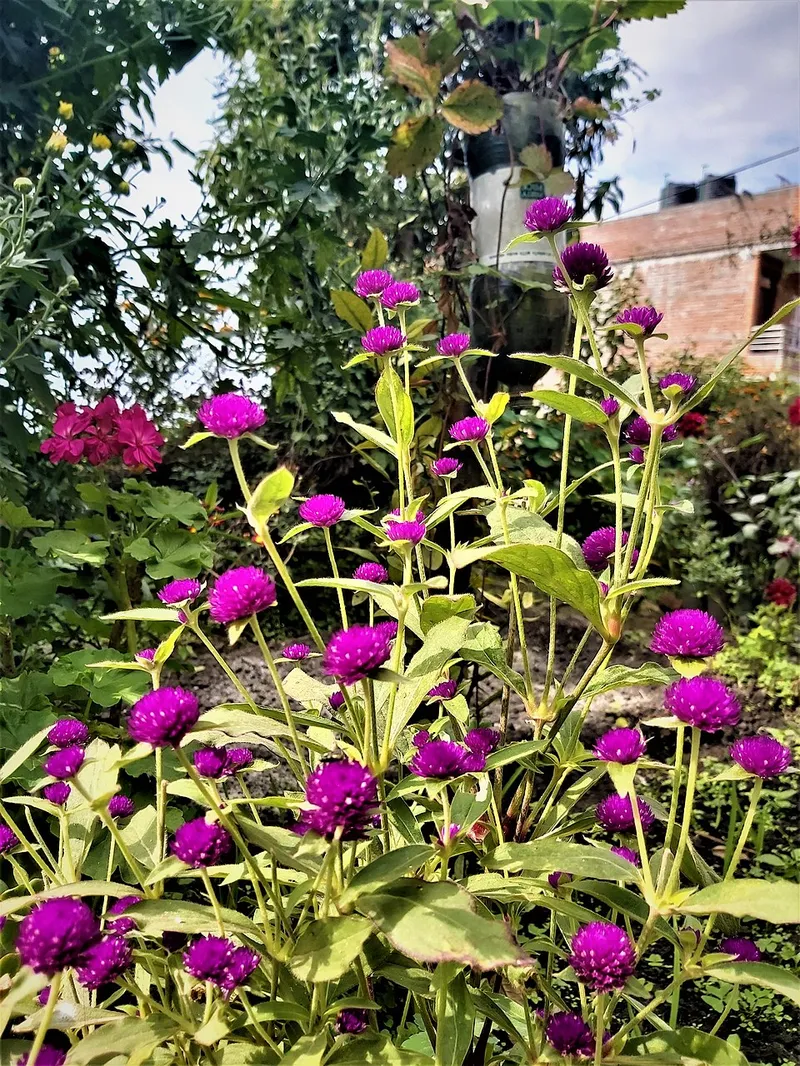
Globe Amaranth (Gomphrena globosa)
Bachelor's Button, Gomphrena
Full sun; medium to dry moisture, well-drained; tolerates heat, humidity, and poor soils; pH 6.0-7.5.
12-24 inches tall, 10-18 inches wide; blooms June through frost with clover-like papery flower heads in magenta, pink, red, white, or orange; flowers retain color when dried; spreads by self-seeding.
Propagation: direct sow after last frost or start transplants indoors 4-6 weeks before transplanting; soaking seed overnight before sowing improves germination rate.
Native region: Not native to Tennessee; ornamental introduction from Central America.
One of the most reliably heat and humidity-tolerant annuals for Middle Tennessee summers, G. globosa does not flag or drop bloom during the July-August heat that stresses many other flowering annuals. The papery bracts resist rain damage and maintain color even in extended wet periods, a significant advantage in Columbia's humid climate. Flowers are excellent for cutting and air-drying; harvest stems when heads are fully colored but before centers begin to elongate. Spider mites can colonize plants during dry spells in August; overhead irrigation or insecticidal soap spray at first sign controls outbreaks before they spread. Compact cultivars (12-16 inches) hold up better through the season without staking than tall selections.
Quick Facts
- Common Name
- Globe Amaranth
- Scientific Name
- Gomphrena globosa
- Plant Type
- Shrub
- Region
- Middle Tennessee