About Fragrant Sumac
Fragrant Sumac (Rhus aromatica)
Aromatic Sumac, Lemon Sumac, Polecat Bush
Full to part sun, dry to moderately moist, well-drained; tolerates clay, rocky, and infertile soils; pH 5.0-8.0; excellent drought tolerance once established, performs in difficult dry banks and slopes.
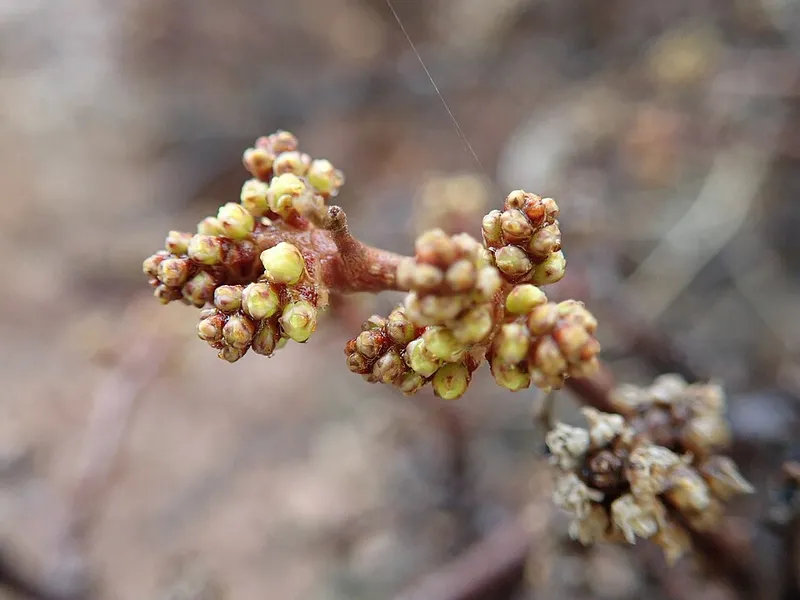
2-6 feet tall and 6-10 feet wide in low-spreading forms; 'Gro-Low' cultivar stays 2-3 feet and spreads 6-8 feet; blooms March-April before leaf emergence with small yellow catkin-like clusters; red hairy drupes ripen August-September; aromatic trifoliate foliage; deciduous with orange-red to crimson fall color; spreads by root sprouts.
Propagation: semi-hardwood cuttings in summer; root cuttings in fall; seed requires 3-month cold stratification.
Native region: Native to Tennessee; common statewide on dry rocky bluffs, cedar glades, and open woodland edges, especially in the Central Basin and Highland Rim.
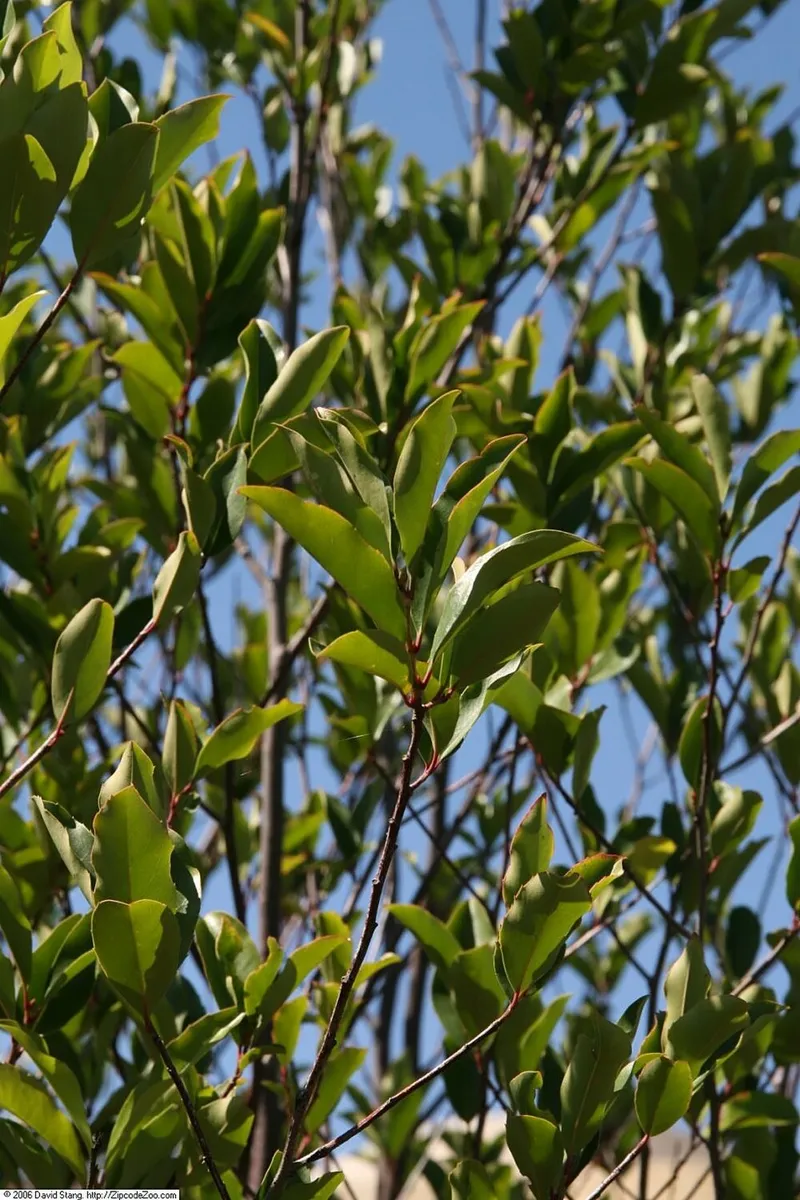
Fragrant sumac fills a specific and underserved role in Middle Tennessee landscapes: groundcover-scale coverage on dry, rocky, or steep sites where maintaining turf or other plants is impractical. The 'Gro-Low' cultivar is the standard landscape selection, it stays low enough to work as a bank stabilizer while delivering strong fall color and early spring bloom. The aromatic foliage (resembling poison ivy in leaflet arrangement but with leaflets not glossy) is rarely browsed by deer. Established plantings require essentially no supplemental irrigation or fertilization on typical Central Basin soils. No significant pest or disease problems affect established plants. The fall fruit provides food for mockingbirds and other overwintering birds. Not related to poison sumac (Toxicodendron vernix); contact dermatitis risk is minimal for most people.
Quick Facts
- Common Name
- Fragrant Sumac
- Scientific Name
- Rhus aromatica
- Plant Type
- Shrub
- Region
- Middle Tennessee