About Foxglove
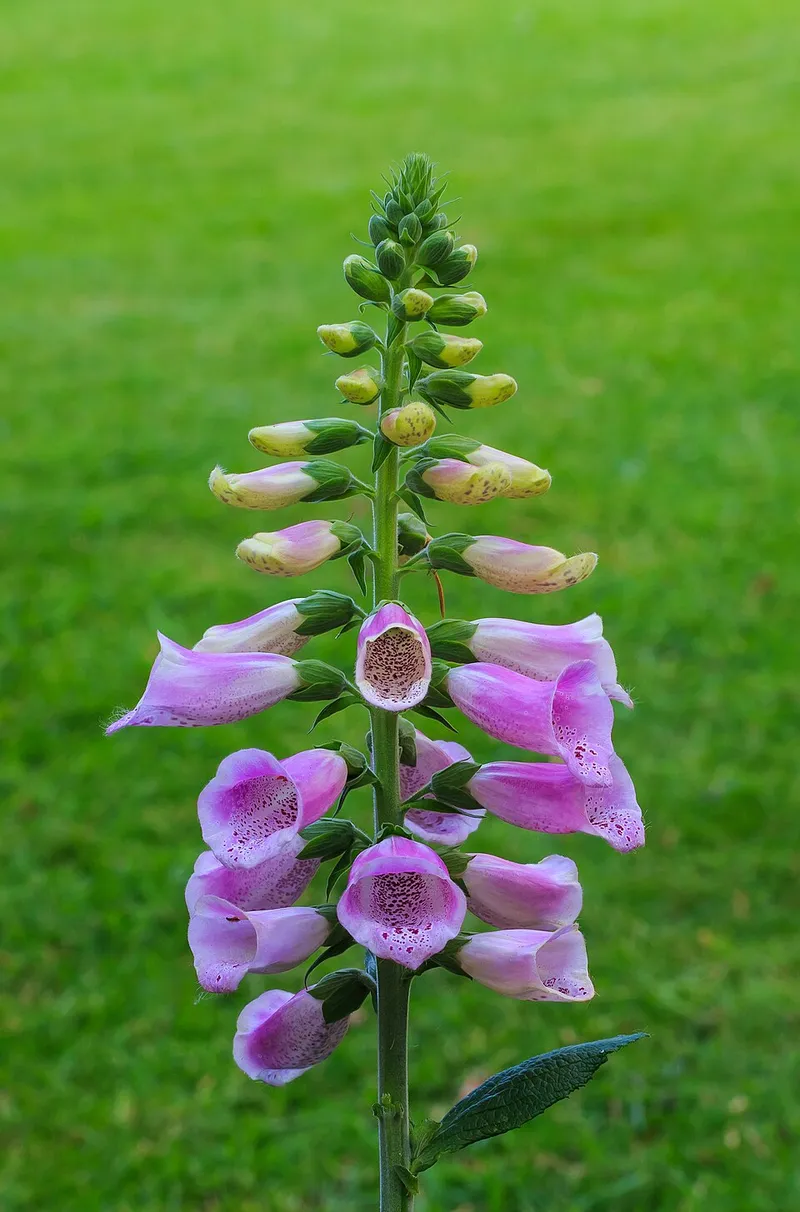
Foxglove (Digitalis purpurea)
Common Foxglove, Purple Foxglove
Part shade to full shade; moist, humus-rich, well-drained soil; tolerates amended clay with good organic matter; pH 5.5-6.5.
3-5 feet tall, 12-18 inches wide; biennial, rosette in year one, tall flowering spike in year two; blooms May-June with tubular flowers in purple, pink, white, or cream, often with spotted throats; spreads by prolific self-seeding.
Propagation: Germination Code A (surface-sow, needs light); direct sow in fall or early spring; do not cover seed, requires light for germination.
Native region: Not native to Tennessee; ornamental introduction from western Europe.
D. purpurea is best sited in Middle Tennessee in dappled shade under deciduous trees, where summer heat is moderated and soil retains moisture without waterlogging. The humid Middle Tennessee summers, while favorable for fungal disease in turf, rarely cause problems for foxglove grown in well-drained raised or amended beds with good air circulation. All plant parts, leaf, stem, seed, and flower, contain cardiac glycosides (digoxin and digitoxin) and are acutely toxic to humans, dogs, and livestock if ingested. Bumblebees are the primary pollinators, crawling deep into the tubular corollas. Allow seed heads to ripen and shatter for naturalized self-seeding colonies; plants in favorable sites will maintain themselves indefinitely without replanting.
Quick Facts
- Common Name
- Foxglove
- Scientific Name
- Digitalis purpurea
- Plant Type
- Shrub
- Region
- Middle Tennessee