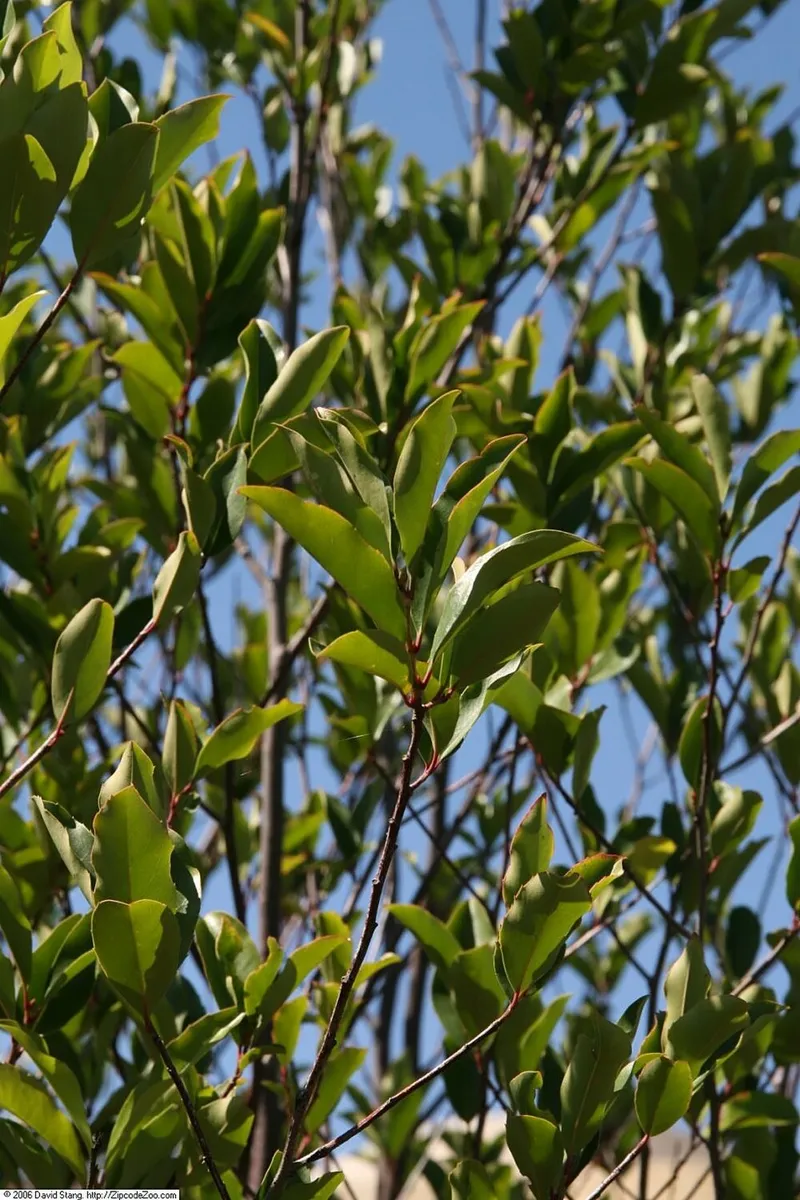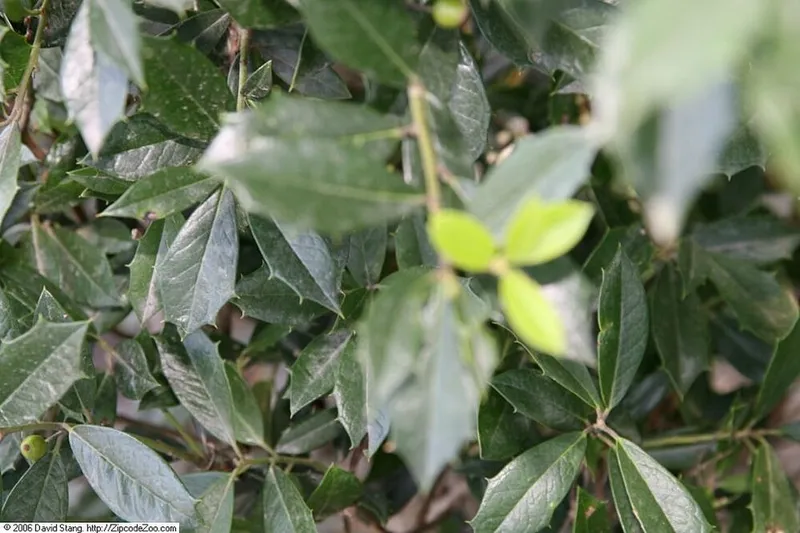
About Foster Holly
Middle Tennessee's transition between USDA hardiness zones 6b and 7a provides a suitable environment for Foster Holly (Ilex x attenuata), which handles the region's humid summers and heavy clay soils effectively. This upright evergreen is a staple for privacy screening and corner accents in local landscapes from Columbia to Franklin, offering year-round structure and vibrant winter interest. Its ability to tolerate the intense moisture levels of the Mid-South, where dew often keeps foliage wet for 10-12 hours daily, makes it a reliable choice for regional gardeners.
Quick facts
- Hardiness: Zones 6-9 (Solidly hardy in the 6b/7a transition zone)
- Light: Full sun to partial shade; full sun is necessary for maximum berry production and to prevent the interior from thinning in humid conditions.
- Mature size: 20-30' H x 10-15' W
- Growth rate: Moderate
- Best soil: Well-drained, acidic soil (pH 5.5-6.0)
When to plant The best months for planting in the I-65 corridor are October through November or March through April. Planting during these cooler windows allows the root system to establish in regional clay before the intense heat and humidity of a Tennessee July.
Pruning UT Extension specialists recommend two shearings per year to maintain a dense, high-quality appearance. The primary pruning should occur in late winter (February) before the spring flush, followed by a lighter shearing in late June. It is critical to maintain a pyramidal shape where the base remains wider than the top; this ensures sunlight reaches lower branches, preventing the thin, leggy appearance often seen in neglected specimens.
Fertilizing Apply an acid-forming fertilizer in early spring, typically around March. This is particularly vital in Middle Tennessee, as the local limestone-rich geology often results in alkaline soil conditions. If the soil pH rises above 6.0, the plant may struggle to uptake nutrients, leading to iron chlorosis or yellowing foliage.
Best varieties for our region The 'Fosteri' cultivar (specifically 'Foster #2') is the primary hybrid variety recommended for the region, prized for its narrow habit and self-fertile nature, which allows for red berry production without a male pollinator.
Common problems The most frequent issue in Middle Tennessee is iron chlorosis, where leaves turn yellow while veins remain green due to high soil pH. Two-lined spittlebugs can cause significant leaf drop in late summer, and Southern red mites may stipple foliage during dry spells. You may also notice small black spots on leaves in late winter; UT experts note these are typically environmental rather than pathogenic and do not require treatment.
Quick Facts
- Common Name
- Foster Holly
- Scientific Name
- Ilex x attenuata
- Plant Type
- Shrub
- Region
- Middle Tennessee